
Plants
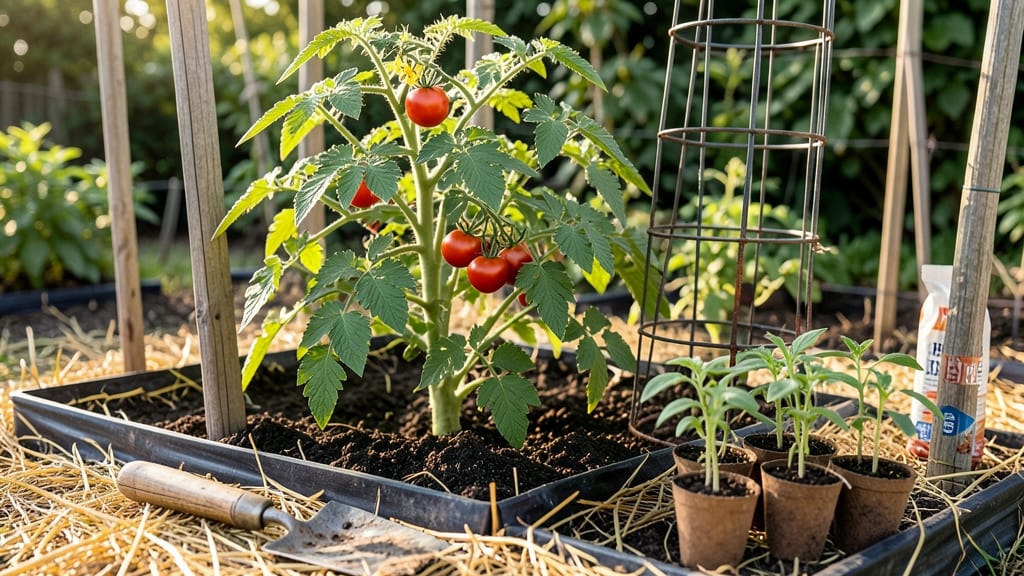
You should plant tomatoes in Indiana between April 15 and May 15 to align with the last frost window and give your 🍅 plants a full growing season.
Indiana’s unpredictable spring weather can make or break your tomato harvest—planting too early risks frost damage, while waiting too long cuts your growing season short.
For USDA Zone 6a gardeners, timing is everything: soil temperatures must reach at least 60°F before transplanting, and seedlings need 10-14 days to adjust after moving outdoors.
In this guide, I’ll break down the exact window for both transplanting and direct sowing, plus how to spot the three key signs your tomatoes are ready to thrive in Indiana’s climate.
Indiana’s ideal tomato planting timeline by USDA Zone 5-6
Timing your tomato planting in Indiana is all about balancing frost risk, soil warmth, and variety maturity. The Hoosier State’s USDA Zones 5-6 offer a 165-day frost-free window, but late springs can delay planting until mid-May.
Start too early, and frost will kill tender seedlings; wait too long, and your harvest shrinks. My week-by-week guide ensures you maximize your garden’s potential while avoiding common pitfalls like blossom-end rot or stunted growth.
Indiana’s last frost typically arrives between April 15–May 15, but soil temperature is the real deciding factor. Tomatoes thrive when soil reaches 55°F+, with 60°F+ ideal for transplanting. Use a soil thermometer to confirm readiness—cold soil slows root growth and weakens plants.
I’ve planted tomatoes in northern Indiana (Zone 5) and southern Indiana (Zone 6), and the difference in timing can mean the difference between a bountiful harvest and a disappointing one.
| Stage | Action | Soil Temp | Notes |
|---|---|---|---|
| Early April | Start seeds indoors | 60–65°F | Use grow lights; seedlings need 12–14 hours of light daily |
| Late April | Hardening off seedlings | 50°F+ | Acclimate for 7–10 days; protect from wind |
| Mid-May (Zone 5) / Early May (Zone 6) | Transplant seedlings | 60°F+ | Plant deep (2/3 of stem buried); mulch heavily |
| Late May–Early June | Direct sow (if preferred) | 65°F+ | Use biodegradable pots; plant 3 seeds per hole |
| June–July | Prune suckers; fertilize | 65°F+ | Remove suckers weekly; use 5-10-10 fertilizer |
| August–September | Harvest early varieties | 70°F+ | Pick ripe fruit; leave late varieties until frost |
For early varieties like ‘Early Girl’ or ‘Stupice’, aim to transplant by late April if your soil warms early. These 60-day tomatoes can produce fruit as soon as July, giving you a head start.
I’ve had success with cold frames in Zone 5 to extend the season—just remove the frame when soil hits 55°F to avoid overheating.
If you’re growing heirloom varieties with 85+ days to maturity, like ‘Brandywine’, hold off until early May. These need the full 165-day window to ripen. I once planted Brandywine in mid-April in Zone 6, and the late frost nipped the blossoms, costing me half my yield.
Patience pays off—wait for consistent 60°F+ soil before committing.
Indiana’s microclimates add another layer of complexity. Southern Indiana (Zone 6) can plant 2–3 weeks earlier than northern Indiana (Zone 5). If you’re near Lake Michigan, expect cooler, wetter springs—delay planting until mid-May to avoid soil saturation.
I garden in Zone 5b near South Bend, and my tomato plants always thrive when I wait until May 10–15.
Don’t forget about fall planting! If you’re eager for another harvest, try transplanting in late July for a late-season crop
5 Critical factors that determine your planting success in Indiana
Indiana's USDA Zones 5-6 create unique challenges for tomato growers. The difference between a bumper crop and a failed harvest often comes down to 5 critical factors most gardeners overlook.
From microclimates that can add weeks to your growing season to soil temperature thresholds that trigger seed germination, these elements require careful attention.
Even experienced gardeners make costly mistakes like planting too early when nighttime temperatures still dip below 50°F, or waiting until mid-May when late varieties won't mature before frost. Understanding these factors lets you adjust your schedule precisely to Indiana's 165-day frost-free window and maximize your harvest potential.
- 1 Microclimate Awareness: Northern Indiana gardens (Zone 5) may need 2-3 weeks later planting than southern areas (Zone 6). A south-facing slope can create a 10°F warmer microclimate than your yard's average.
- 2 Soil Temperature: Tomatoes won't germinate until soil reaches 60°F. Use a soil thermometer - Indiana's average last frost (April 15) often leaves cold soil that delays planting by 1-2 weeks.
- 3 Seedling Age: 4-6 week old transplants establish faster than direct-sown seeds. Indiana gardeners often overestimate their seedlings' hardiness, risking transplant shock when moving them outdoors too soon.
- 4 Frost Forecasts: The National Weather Service provides 7-day frost predictions. Planting early varieties (like 'Stupice') 2 weeks before average last frost gives them 30 extra days to mature if frost arrives late.
- 5 Variety Maturity: Early varieties (60 days) need planting by April 20, while late varieties (90 days) should go in by May 10. Indiana's short growing season demands careful variety selection.
One common mistake Indiana gardeners make is planting all tomatoes at once. Instead, stagger your transplant dates every 2 weeks to ensure continuous harvests. For example, plant early varieties in late April, mid-season types in early May, and late varieties in mid-May.
Another critical factor is soil preparation. Indiana's clay-heavy soils often need amendments like compost or sand to improve drainage.
Test your soil's pH (6.0-6.8) and add lime if needed - acidic soil (pH 5.5) stunts tomato growth and increases disease risk. Mulching with straw helps maintain consistent soil temperatures and reduces watering needs.
Remember that Indiana's first frost typically arrives around October 15, giving you about 165 frost-free days. Use this timeline to calculate when to start seeds indoors (6-8 weeks before transplanting) and plan your succession plantings.
For container gardening, choose determinate varieties that mature faster and handle Indiana's cooler nights better.