
Plants
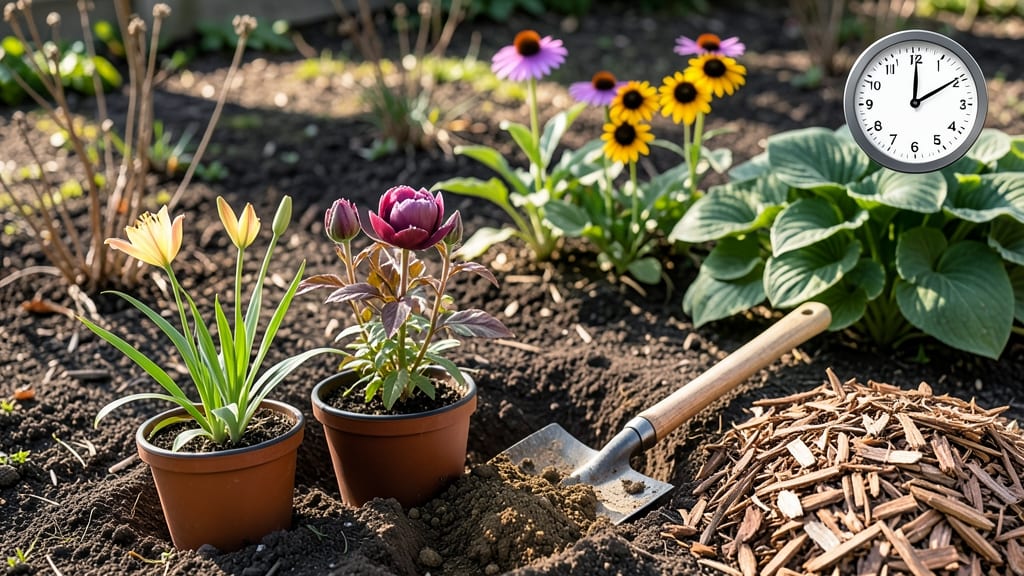
Planting perennials in Maryland at the right time ensures they survive the winter and thrive for years to come 🌱 — aim for early spring or early fall when the soil is workable but frost isn’t a threat.
Miss that window, and you risk winter dieback or summer stress. In USDA Zones 7a/7b, the last frost typically hits by mid-April, but planting too early can leave roots exposed to cold snaps.
This guide breaks down the best months for Maryland’s climate, whether you’re planting hardy coneflowers or delicate hostas, and how to prep soil for zero winter loss.
You’ll learn the exact timing for spring vs. fall planting, which perennials handle Maryland’s humidity best, and how to spot when your plants are truly ready for the ground.
Maryland USDA Zone planting windows: exact months for perennial success
Maryland's USDA Zones 7a and 7b offer a unique planting window that extends beyond traditional spring months. With last frost dates around mid-April and first frosts in mid-November, you have two prime opportunities to plant perennials: early spring and early fall.
This timing ensures plants establish strong roots before extreme weather hits, reducing winter dieback risks.
For hardy perennials like coneflowers and black-eyed Susans, fall planting (September-October) gives roots a head start before winter dormancy. Meanwhile, tender perennials such as lavender or Russian sage need to be planted in late spring to avoid early frost damage. Understanding these distinctions saves time and money on replacements.
Key factors like soil temperature (ideally 60°F+) and moisture levels determine success. Maryland’s humid subtropical climate means you must balance watering with proper drainage to prevent root rot. Let’s break down the exact months for each planting strategy to maximize your garden’s potential.
| Planting Window | Best Months | Perennial Type | Soil Prep | Key Notes |
|---|---|---|---|---|
| Early Spring | March–April | Hardy perennials | Loosen soil, add compost | Plant after last frost; mulch to retain moisture |
| Late Spring | May–June | Tender perennials | Well-draining soil | Avoid planting too late; heat stress is a risk |
| Early Fall | September–October | All perennials | Amend with organic matter | 6-8 weeks before first frost; roots establish before cold |
| Late Fall | November | Bare-root perennials | Chilled soil preferred | Only for dormant plants; protect with mulch |
If you plant in early spring (March–April), focus on hardy perennials like daylilies or sedum, which thrive in Maryland’s cool soil temperatures. These plants benefit from the moisture-rich spring and establish roots before summer heat arrives.
Always test soil pH (aim for 6.0–7.0) and amend with compost to improve fertility.
For fall planting (September–October), prioritize root-bound plants like hostas or peony. The 60°F soil temperature in early fall encourages root growth without the stress of summer heat.
Water deeply after planting to help roots adjust, and apply a 2-inch layer of mulch to insulate soil and retain moisture through winter.
Tender perennials such as lavender or salvia should only be planted in late spring (May–June) when nighttime temperatures stay above 50°F. These plants struggle with Maryland’s winter chill, so avoid fall planting unless you’re using container gardening with winter protection like burlap wraps or row covers.
One common mistake is planting too late in spring (after June) or too early in fall (before September). Both timings risk heat stress or early frost damage.
For example, planting black-eyed Susans in July can lead to stunted growth, while planting hostas in August may not allow enough root establishment before winter.
Pro tip: Use seasonal markers like dogwood blooms (late March) or goldenrod (September) to time your planting. These natural cues align with Maryland’s climate patterns and help you avoid guesswork. Pair this with a planting journal to track which varieties thrive in your specific microclimate.
For container-grown perennials, you have slightly more flexibility—planting in late spring or early fall works well. Containers warm up faster in spring and can be moved to protected spots in fall. Just ensure pots have drainage holes to prevent waterlogging, a common issue in Maryland’s humid climate.
Remember, Maryland’s
Fall vs. spring planting: which works best for Maryland perennials?
Maryland gardeners often debate whether to plant perennials in spring or fall. Both seasons offer advantages, but understanding the unique benefits of each can help you choose the best time for your USDA Zone 7a/7b perennials.
Spring planting lets you start the growing season strong, while fall planting gives roots a head start before winter. Let’s break down the pros and cons for Maryland’s climate.
Spring planting (March–April) is ideal for tender perennials that can’t handle frost. It gives plants time to establish roots before summer heat arrives. However, early spring planting risks frost damage if temperatures drop unexpectedly.
On the other hand, fall planting (September–October) allows perennials to develop strong root systems before winter dormancy, improving their resilience.
Here’s a quick comparison to help you decide:
Spring Planting (March–April)
✅ Pros
- Longer growing season for tender perennials.
- Easier to monitor soil moisture.
- Avoids fall pests like slugs.
❌ Cons
- Risk of late frost damage.
- Slower root establishment before summer.
- Competition with weeds.
Fall Planting (September–October)
✅ Pros
- Roots establish before winter dormancy.
- Reduces summer stress for plants.
- Fewer weeds and pests.
❌ Cons
- Limited time for root growth before frost.
- Soil may be too wet or cold.
- Harder to find bare-root plants.
For Maryland’s climate, fall planting is often the winner for hardy perennials like coneflowers and black-eyed Susans. These plants thrive when planted in September, giving them time to establish roots before winter.
Spring planting, however, works better for tender perennials like lavender or rosemary, which need warmer soil to grow.
If you’re unsure, consider planting some perennials in both seasons. Start with hardy varieties in fall and add tender perennials in spring. This approach ensures your garden stays vibrant year-round while minimizing risks. Just remember: well-draining soil and proper mulching are key to success in either season.
Experiment with both methods to see what works best for your garden. Over time, you’ll find the perfect balance between spring and fall planting for Maryland’s unique growing conditions. Happy gardening!