
Plants
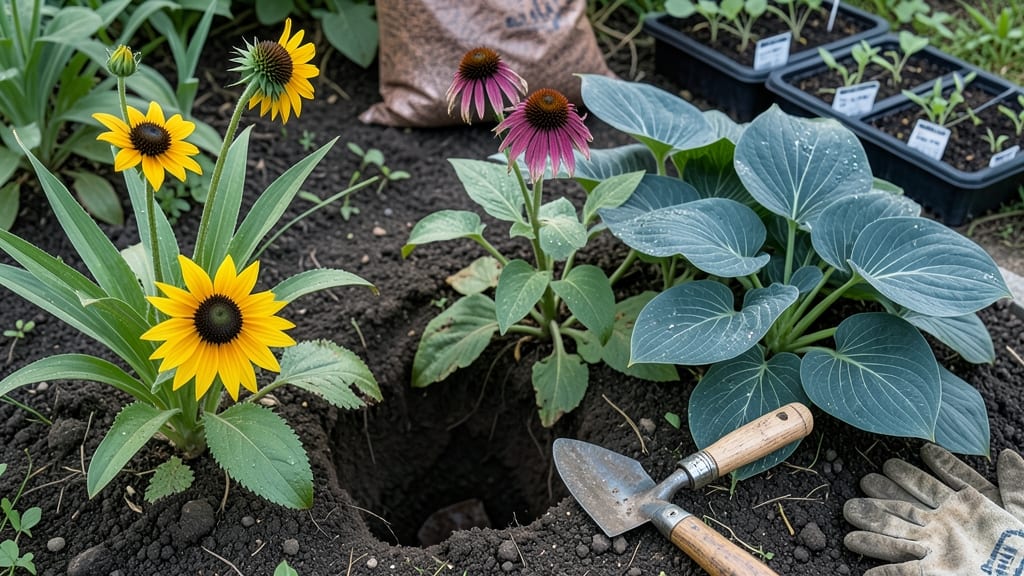
Planting perennials in Wisconsin at the right time ensures they take root before the next frost 🌱—aim for after your last spring frost date, typically between mid-April and early May.
Wisconsin’s unpredictable spring weather can make or break your perennial garden—plant too early and risk frost damage, too late and miss the optimal root-establishment window. Timing is everything for hardy perennials in Zones 4-5, where a well-planned schedule means the difference between a thriving landscape and a struggling one.
This guide breaks down the best planting windows for Wisconsin’s climate, including how to adjust for regional microclimates and avoid common mistakes that stunt growth.
You’ll learn when to plant for maximum root development, which perennials handle early or late planting best, and how to extend your growing season with simple tricks like mulching.
Best planting windows for Wisconsin perennials by month (Zone 4-5 guide)
Wisconsin’s Zone 4-5 climate demands precision when planting perennials. The last spring frost typically arrives between mid-April and early May, while first fall frost hits around mid-October to early November.
These dates create a narrow window for optimal root establishment—especially for bare-root plants like coneflowers and peonies, which need 6-8 weeks to harden off before winter.
Container-grown perennials, such as hostas and daylilies, offer more flexibility but still require soil temperatures above 50°F for best results. Fall planting is ideal for hardy perennials like sedum and Russian sage, which benefit from cooler temperatures and 6-8 weeks of growth before dormancy.
Let’s break down the best months for each approach.
For bare-root perennials, April is your golden month. The soil warms to 50°F or higher, and the risk of late frosts drops significantly.
I recommend soaking bare roots in water for 1-2 hours before planting to reduce transplant shock. Coneflowers (Echinacea) and black-eyed Susans (Rudbeckia) thrive when planted in early April, giving them 6-8 weeks to establish roots before summer’s peak.
If you prefer container-grown plants, May is ideal. The soil is consistently warm, and you can transplant hostas and daylilies without worrying about frost damage. Just be sure to water deeply for the first two weeks to encourage root spread.
I’ve found that mulching with 2-3 inches of straw helps retain moisture and regulates soil temperature.
Fall planting in September is a secret weapon for drought-tolerant perennials like sedum and Russian sage. These plants benefit from co
How to adjust planting timing for Wisconsin’s microclimates (northern vs. southern regions)
Wisconsin’s Zone 4 and 5 regions create unique challenges for perennial gardeners. While Milwaukee’s Zone 5 pockets enjoy slightly milder springs, Green Bay’s Zone 4 extremes face harsher frost risks. Understanding these microclimates helps you adjust planting schedules to protect tender roots and maximize growth potential.
For example, Milwaukee’s last frost date typically falls around April 20th, while Green Bay may not see its final freeze until May 5th. These differences mean 4-14 days of critical planting window shifts that can make or break your perennials’ survival.
Comparison table visual element follows to help you visualize these regional differences and adapt your planting strategy accordingly.
| Factor | Milwaukee (Zone 5) | Green Bay (Zone 4) | Adjustment Tip |
|---|---|---|---|
| Last Frost Date | April 20 | May 5 | Wait 1-2 weeks longer in Zone 4 |
| Soil Workability | 50°F (late April) | 55°F (early May) | Use cold frames in Zone 4 |
| Hardy Perennials | Coneflowers, Daylilies | Lavender, Russian Sage | Choose drought-tolerant varieties |
| Frost Protection | 2-3" mulch | 4" mulch + row covers | Add straw mulch in fall |
| Fall Planting Window | September 15-October 1 | September 1-October 15 | Plant earlier in Zone 4 |
To extend your planting season in colder regions, consider using row covers or cold frames. These tools can create a 5-10°F warmer microclimate, allowing you to plant 2-3 weeks earlier in spring or 2 weeks later in fall.
For example, I’ve successfully planted hostas in early April in Green Bay using a simple hoop house setup.
For late-spring plantings, focus on hardy perennials like catmint or black-eyed Susans, which tolerate cooler soils better than tender varieties. Always check soil temperature with a soil thermometer—ideal planting conditions occur when soil reaches 50-55°F for most perennials.
In Zone 5 areas, you can take advantage of earlier planting by starting tender perennials like salvia or coreopsis in late April. Just be prepared to cover them with frost cloth if unexpected late frosts occur, which happen about 1 in 3 years in Milwaukee.
Remember, fall planting offers a second chance in Wisconsin. In Zone 4, aim to plant by September 1st to allow roots to establish before winter. Use organic mulch like straw to insulate roots and prevent heaving during freeze-thaw cycles.