
Plants
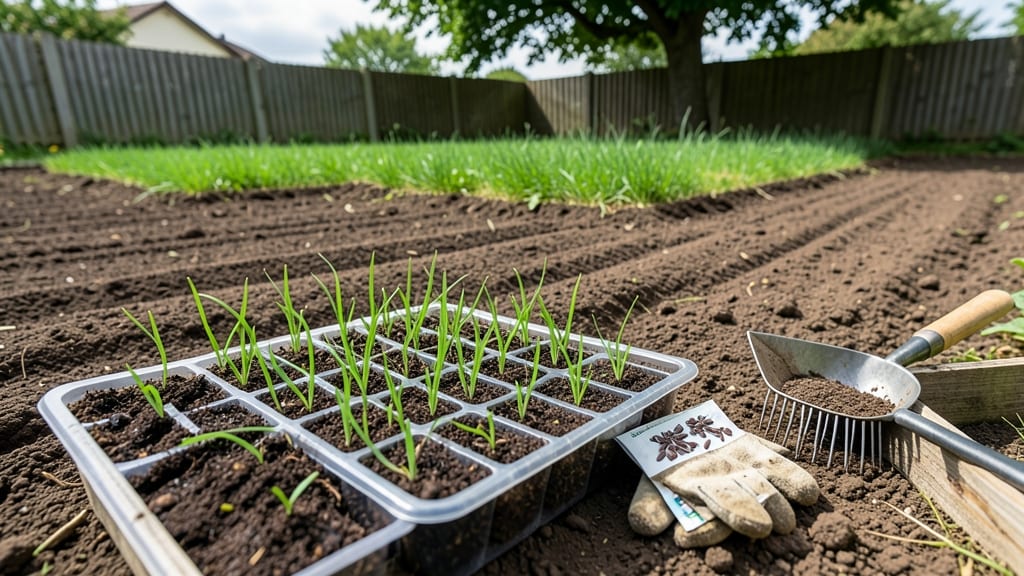
Planting perennial ryegrass in Texas at the right time is the difference between a lush, green lawn and a patchy, struggling mess.
Texas lawns face brutal heat and drought—planting at the wrong time can mean wasted seeds and slow growth. But timing it perfectly ensures fast root establishment and a resilient lawn that thrives year-round.
Most gardeners in USDA zones 8a-10b swear by late summer to early fall (August-October) or early spring (February-March) as the ideal windows. These months give seeds the cool, moist conditions they need to germinate before summer’s scorching heat sets in.
Below, I break down the exact months for North vs. South Texas, soil prep tips, and watering schedules to help you avoid common mistakes and get the best results.
Best planting months for perennial ryegrass in Texas regions (North vs south)
Texas' diverse climate zones mean your perennial ryegrass planting timing should differ between North Texas and South Texas. The ideal window is late summer to early fall, but exact months vary by frost dates and temperature thresholds for seed germination.
In North Texas (USDA Zones 7b-8a), cooler temperatures arrive earlier, creating a 6-week window from mid-September to early November. Meanwhile, South Texas (Zones 8b-10a) can extend planting until late October due to milder winters.
Both regions also allow early spring planting in February-March, but success depends on soil moisture and avoiding summer heat stress.
The key threshold for perennial ryegrass germination is 60-75°F soil temperatures. North Texas hits this in late August, while South Texas may wait until September.
Planting too early risks heat stress or dormancy, while waiting too long may mean seeds don't establish roots before first frost.
Here's why timing matters: Perennial ryegrass needs 4-6 weeks of warm soil to develop strong roots before winter dormancy. In North Texas, this means planting by November 1 to avoid frost damage. In South Texas, you have until November 15 due to later frost dates.
Late-summer prep is critical for both regions. Start by mowing existing lawns to 1-1.5 inches and aerating compacted soil in August. This opens pathways for seed-to-soil contact and root penetration, which is especially important in clay-heavy Texas soils.
For North Texas gardeners, focus on September planting with a second chance in February. South Texas can push planting to late October but should prioritize early fall for best results. Both regions should avoid summer planting due to heat stress and water competition from other plants.
| Region | Best Planting Window | Soil Temp Threshold | First Frost Date | Late-Summer Prep |
|---|---|---|---|---|
| North Texas | Mid-September to early November | 60-70°F (August-Sept) | November 15 | Aerate + overseed by Sept 15 |
| Central Texas | Late August to mid-November | 65-75°F (Sept-Oct) | December 1 | Test soil pH (6.0-7.0) by Aug 1 |
| South Texas | September to late October | 70-80°F (Sept-Oct) | November 1 | Mulch after planting to retain moisture |
| All Regions | February-March (spring) | 55-65°F (spring) | N/A | Water deeply 2x/week post-planting |
After planting, consistent moisture is critical for root establishment. In North Texas, water deeply 2-3 times weekly until germination (7-14 days). South Texas may need daily watering in September due to higher evaporation rates. Once established, reduce to 1 inch per week during growing seasons.
For North Texas lawns, aim to complete planting by October 15 to ensure roots establish before first frost. In South Texas, you can push to November 1, but monitor temperature drops below 50°F, which can stunt growth.
Both regions should avoid planting after frost—seeds won't germinate in cold soil.
Pro tip: Use a soil thermometer to confirm 60°F+ soil temps before planting. If temps drop unexpectedly, cover seeds with straw mulch to protect them until conditions improve. This extra step can mean the difference between thin, patchy lawns and dense, green coverage by spring.
Remember, perennial ryegrass thrives on cool-season growth. Planting at the right time ensures it outcompetes weeds and establishes before summer dormancy. With proper timing and care, your Texas lawn will stay lush year-round, even through our brutal summers.
How to prepare your Texas soil for perennial ryegrass success
Texas soil can be a gardener's biggest challenge—especially when planting perennial ryegrass. The clay-heavy and alkaline nature of much of Texas soil requires careful preparation to create the ideal growing conditions.
Without proper prep, your seeds may struggle to germinate or establish strong roots, leading to weak grass that browns under Texas heat.
For perennial ryegrass to thrive, your soil needs a pH between 6.0 and 7.0, excellent drainage, and plenty of organic matter. Texas soils often lack these qualities naturally, so amending them before planting is essential.
I’ll walk you through testing your soil, adjusting its composition, and choosing the right overseeding method for your lawn.
⚠️ WARNING: Common Mistake! Skipping soil testing can lead to poor germination rates. Texas clay soil often has a pH above 7.5, which locks out essential nutrients. Perennial ryegrass won’t grow well in alkaline conditions—so always test first!
If your soil pH is too high, you’ll need to lower it with sulfur or peat moss before planting. For existing lawns, this step is even more critical to avoid stunted growth or patchy coverage.
Start by testing your soil’s pH using a home test kit or sending a sample to your local agricultural extension office. Aim for a 6.0-7.0 range—this is the sweet spot for perennial ryegrass to access nutrients like nitrogen and phosphorus.
If your soil tests higher than 7.0, mix in elemental sulfur or composted pine bark to gradually lower the pH over 2-3 months.
Next, focus on improving drainage and aeration. Texas clay soil compacts easily, creating a waterlogged environment that suffocates roots. Use a core aerator to create holes in your lawn, then top-dress with 2-3 inches of compost or sand to break up compaction.
For new installations, mix 1 part compost with 3 parts native soil before seeding to ensure proper root development.
When overseeding an existing lawn, choose the right method based on your grass’s current health. If your lawn has bare spots, spot-treat those areas by removing the old grass, amending the soil, and seeding directly.
For full overseeding, mow your lawn short (1-1.5 inches), then use a broadcast spreader to evenly distribute seeds at a rate of 8-12 lbs per 1,000 sq ft. Lightly rake the seeds into the soil to ensure good seed-to-soil contact.
Finally, mulch with straw or peat moss to retain moisture and protect seeds from erosion. Water lightly but frequently—keeping the top inch of soil moist—until germination occurs (typically 7-14 days).
Once sprouts appear, gradually reduce watering to encourage deep root growth. With the right soil prep, your perennial ryegrass will establish quickly and handle Texas’s harsh conditions like a pro!