
Plants
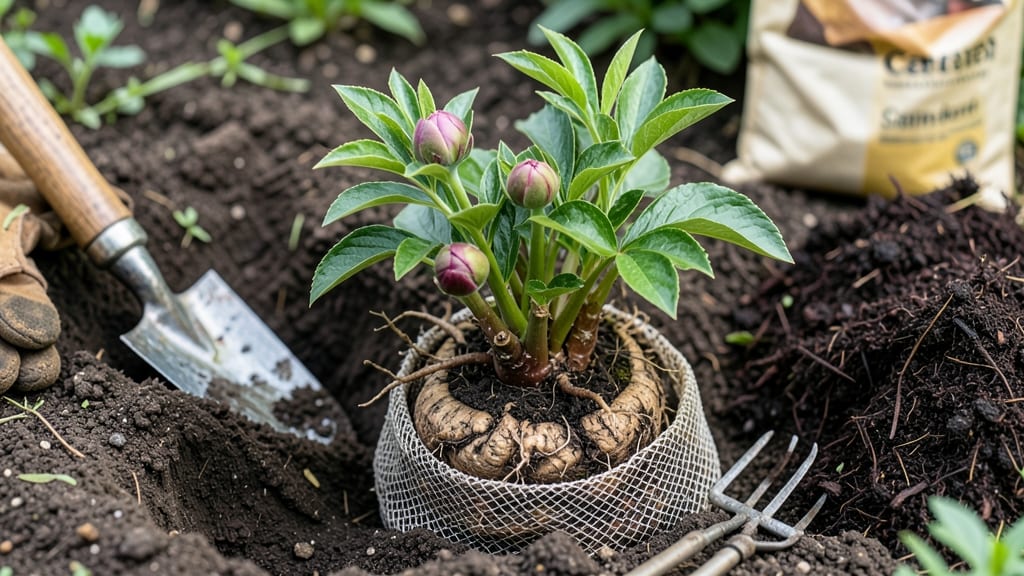
Plant peonies in Zone 5 during early fall (September to mid-October) or early spring (March to April)—the exact timing makes all the difference for those showstopping 🌸 blooms you’ll enjoy for decades.
Picture this: You’ve just dug up your bare-root peony, ready to plant it in your Zone 5 garden. But if you wait too late in fall, frost will nip those tender roots before they can settle in.
Plant too early, and the roots won’t have enough time to establish before winter hits—leaving you with weak stems and fewer flowers next spring.
Getting the timing right isn’t just about avoiding frost; it’s about giving your peonies the 4-6 weeks they need to grow strong roots before the ground freezes.
In Zone 5, where winters can be harsh, this window is your secret to hardy, long-lived plants that reward you with lush blooms year after year.
In this guide, I’ll walk you through the exact weeks before last frost to plant your peonies, how to prep the soil, and the one common mistake that kills more peony roots than frost ever will. Let’s get those roots growing right!
Zone 5 peony planting timeline: exact weeks before last frost for optimal root growth
Peonies thrive in Zone 5 when planted during their ideal window—4 to 6 weeks before the first hard frost. This timing allows roots to establish before winter dormancy, ensuring strong growth for years to come.
The exact date varies by location, but most Zone 5 gardeners aim for late September to mid-October in the northern part of the zone and slightly earlier in the south.
Why does timing matter so much? Peonies need 4-6 weeks of cool soil temperatures (below 70°F) to develop robust roots before the ground freezes. Planting too early (like August) can cause roots to grow too quickly, making them vulnerable to frost damage.
Planting too late (November or later) leaves insufficient time for root establishment, leading to weak plants.
| Planting Window | Zone 5 Ideal Dates | Soil Temp Requirement | Root Establishment Goal |
|---|---|---|---|
| Early Fall Planting | Late Sept - Mid Oct | 50-65°F (10-18°C) | 4-6 weeks before frost |
| Northern Zone 5 | Mid-Sept - Early Oct | 45-55°F (7-13°C) | 6+ weeks before frost |
| Southern Zone 5 | Late Aug - Late Sept | 55-68°F (13-20°C) | 4 weeks before frost |
| Spring Planting (Last Resort) | Early March - Early April | 40-50°F (4-10°C) | Roots establish by May |
To pinpoint your exact planting window, check your local last frost date using resources like the USDA Plant Hardiness Zone Map or local agricultural extensions. For most of Zone 5, this falls between October 1 and October 15.
Count backward 4-6 weeks from that date to determine your ideal planting window.
Soil temperature is just as critical as calendar dates. Use a soil thermometer to confirm temperatures are between 50-65°F (10-18°C). Cool soil signals peonies to focus on root growth rather than foliage.
If your soil is still warm (above 70°F), delay planting until temperatures drop naturally or use shade cloth to cool the soil.
Common mistakes like planting too early can lead to overly vigorous root growth that gets damaged by early frosts. Conversely, planting too late (after November 1) leaves peonies with insufficient time to establish before winter dormancy.
Always prioritize giving roots at least 6 weeks of cool-season growth before the ground freezes.
For gardeners in northern Zone 5 (e.g., Minneapolis, Detroit), aim for mid-September to early October when soil temps consistently stay below 65°F.
In southern Zone 5 (e.g., Nashville, St. Louis), you can plant as early as late August, but monitor soil temps closely to avoid heat stress on roots.
Pro tip: If your soil drains poorly or stays too wet in fall, consider planting in raised beds or amended soil. Peonies hate soggy roots, and even the best timing won’t help if roots suffocate. Mix in compost or sand to improve drainage before planting.
Once you’ve planted, mulch around the base with 2-3 inches of organic mulch (like straw or shredded leaves) to insulate roots and retain moisture. This step is non-negotiable in Zone 5’s unpredictable fall weather, where temperatures can swing wildly between 50°F and 80°F in a single week.
Remember, peonies are perennials that reward patience. A well-timed fall planting in Zone 5 sets the stage for decades of vibrant blooms with minimal care. Follow these guidelines, and your peonies will thank you with healthy roots and stunning flowers for years to come. 🌸
How to prepare peony crowns for planting: soil, depth, and spacing secrets for Zone 5 gardens
Once you’ve chosen your ideal planting window in Zone 5, the next critical step is preparing the peony crowns for their new home. Proper soil prep, planting depth, and spacing can mean the difference between a decades-long blooming powerhouse and a struggling plant that never reaches its full potential.
Let’s dive into the specifics that will set your peonies up for success.
Start by selecting a well-draining location with 6-8 hours of sunlight daily. Peonies thrive in sandy loam soil with a pH between 6.5 and 7.5, but they can adapt to clay soils if amended properly.
If your soil is heavy clay, mix in compost and coarse sand to improve drainage and aeration. For sandy soils, add organic matter like compost or peat moss to retain moisture and nutrients.
Before planting, inspect your peony crowns for any signs of rot or damage. Trim away any mushy or discolored roots with clean pruners, and soak the crowns in water for 1-2 hours to rehydrate them.
This step is especially important if you’ve stored them in a cool, dry place over winter. Healthy roots will establish faster and lead to stronger growth.
⚠️ WARNING: Planting Depth Mistakes Can Kill Your Peonies ⚠️
Pro Tip: Use a ruler or measuring tape to ensure accuracy. Mark your planting hole with a stake to avoid guessing.
The next step is spacing, which directly impacts airflow and future growth. Space herbaceous peonies 3-4 feet apart in all directions to allow for mature foliage and prevent disease spread. Tree peonies, which grow larger, need 5-6 feet of space.
Crowding not only stunts growth but also makes it harder to access plants for pruning and maintenance. Plan your garden layout now to avoid future headaches.
After marking your planting spots, dig a hole twice as wide as the root ball but only 6-8 inches deep. This extra width encourages root spread, while the shallow depth ensures the eyes stay just below soil level.
Gently place the peony crown into the hole, spreading the roots outward. If the soil is dry, water the hole first to help roots settle. Backfill with native soil, tamping lightly to remove air pockets, and create a small mound around the base to encourage water drainage.
Finally, add a 2-3 inch layer of mulch around the planting area, keeping it away from the crown to prevent rot. Use organic mulch like straw or shredded bark, which will break down and improve soil structure over time.
Water deeply after planting to help the soil settle, and avoid fertilizing for the first 6-8 weeks to let the roots establish without competition. With these steps, your peonies will be ready to thrive in Zone 5’s challenging climate.