
Plants
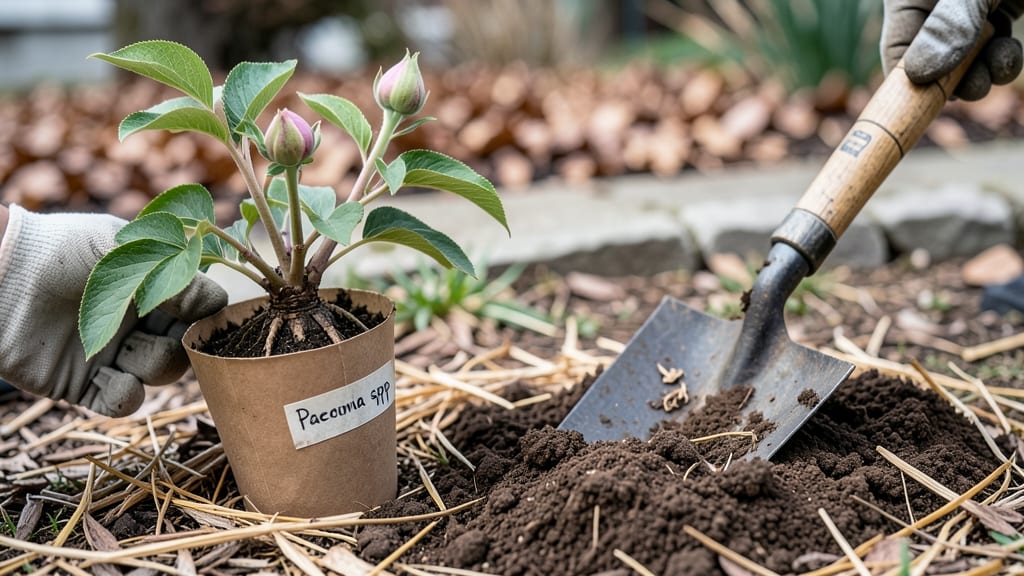
Plant peonies in Arkansas between September and October for the strongest roots and April blooms—but timing is everything in Zone 7b’s unpredictable climate.
Peonies are Arkansas gardeners’ dream flowers—fragrant, lush, and long-lasting—but planting them at the wrong time can mean years of disappointment. Timing is everything, especially in USDA Zone 7b where seasons shift unpredictably.
Fall planting gives peony roots 6-8 weeks to establish before winter, while spring planting risks stunted growth if frost hits too early. Arkansas’s humidity and clay-heavy soil add extra challenges, so preparation is key.
Below, I’ll walk you through the ideal planting windows, soil prep tips for Arkansas’s climate, and how to avoid common mistakes that cut bloom time short.
Best planting windows for Arkansas peonies by season (Zone 7b guide)
Peonies thrive in Arkansas’s USDA Zone 7b, but the timing of planting can make or break their success. Arkansas’s humid subtropical climate and unpredictable frost dates demand precise timing—especially since peonies need 6-8 weeks to establish roots before winter.
Most gardeners swear by fall planting, but spring has its place too, depending on your microclimate.
In Arkansas, late September through November offers the perfect window for planting peonies. This aligns with soil temperatures dropping below 60°F, signaling dormancy and reducing transplant shock. Spring planting, however, is riskier due to Arkansas’s late frost dates (often around March 15), which can damage young roots.
The key difference between fall and spring planting lies in root establishment and frost hardiness. Fall-planted peonies develop stronger root systems before winter, while spring-planted ones race against Arkansas’s variable weather. Let’s break down the best approach for your Arkansas garden.
Comparison Table: Arkansas Peony Planting Windows
For Arkansas gardeners, fall planting dominates because it aligns with the state’s cooling temperatures and reduced pest activity. Planting in late October (just before soil freezes) ensures roots establish before winter, while avoiding Arkansas’s summer heat stress.
Spring planting, however, can work if you’re in a warmer microclimate (e.g., southern Arkansas), where frost dates are later.
Before planting, prepare your soil by amending Arkansas’s clay-heavy soil with compost or organic matter. Peonies need well-draining soil to prevent root rot—a common issue in Arkansas’s humid conditions.
Aim for a pH of 6.5–7.0 and plant bare-root peonies 2 inches deep, with the eyes (buds) facing upward.
If you’re in northern Arkansas (Zone 7a), stick to fall planting to avoid late frosts. In southern Arkansas (Zone 8a), you might extend planting into early December, but monitor soil temps closely.
Always space peonies 3–4 feet apart to allow airflow and reduce fungal diseases common in Arkansas’s damp climate.
Pro tip: Mulch heavily after planting to insulate roots during Arkansas’s winter temperature swings. Use 3–4 inches of organic mulch (like shredded bark) to retain moisture and regulate soil temps.
This is especially critical in Arkansas’s variable winters, where temps can fluctuate from freezing to 60°F in a week.
Remember, peonies planted in fall will bloom in 2–3 years, while spring-planted ones may take an extra year to establish. Given Arkansas’s long growing season, fall planting is the safer bet for consistent blooms.
Start your peonies in late September, and you’ll be rewarded with fragrant blooms by spring.
🌸
How to extend peony blooms year-round in Arkansas: pruning and care calendar
Once your peonies are planted in Arkansas’s clay-heavy soil, the real work begins to ensure year-round blooms. Arkansas’s Zone 7b climate demands a tailored approach—too much heat, humidity, or improper pruning can shorten your blooming season.
My care calendar keeps peonies thriving through all four seasons, even during Arkansas’s occasional late frosts.
Peonies in Arkansas need seasonal adjustments to combat the state’s high humidity and heavy clay soil. The key is balancing pruning, soil amendments, and watering to maximize flower production. By following this schedule, you’ll enjoy longer bloom times and healthier plants.
- 🌱 Spring (March-May): Prune dead foliage after first blooms fade. Apply 5-10-10 fertilizer in early spring to encourage new growth.
- ☀️ Summer (June-August): Deadhead spent blooms immediately to redirect energy to next year’s flowers. Water deeply once weekly to combat Arkansas’s summer heat.
- 🍂 Fall (September-November): Add 3-4 inches of compost to improve Arkansas’s clay soil. Mulch heavily to protect roots from Zone 7b freezes.
- ❄️ Winter (December-February): Leave foliage intact to insulate roots. Apply extra mulch if temperatures drop below 20°F.
In spring, Arkansas’s unpredictable weather can stress peonies, so I always prune after blooms fade to avoid cutting off next year’s buds. Use sharp pruners to clean cuts—this reduces disease risk in Arkansas’s damp climate.
A light spring feeding with 5-10-10 fertilizer gives peonies the boost they need for robust growth.
During summer, Arkansas’s high heat and humidity can cause peonies to wilt. I deadhead spent blooms immediately to prevent fungal issues. Watering deeply in the morning helps peonies withstand Arkansas’s summer stress while keeping roots cool. Avoid overhead watering to prevent mildew.
Fall is the best time to amend Arkansas’s clay-heavy soil. I mix in compost and sand to improve drainage, which peonies desperately need. Mulching with 3-4 inches of organic matter protects roots from Zone 7b freezes and keeps soil temperatures stable.
This prep ensures peonies bloom earlier and longer the following spring.
Winter care in Arkansas focuses on protection. While peonies are dormant, I leave foliage intact to insulate roots. If temperatures drop below 20°F, I add extra mulch to prevent frost damage. This simple step keeps peonies healthy for years of blooms in Arkansas’s variable climate.