
Plants
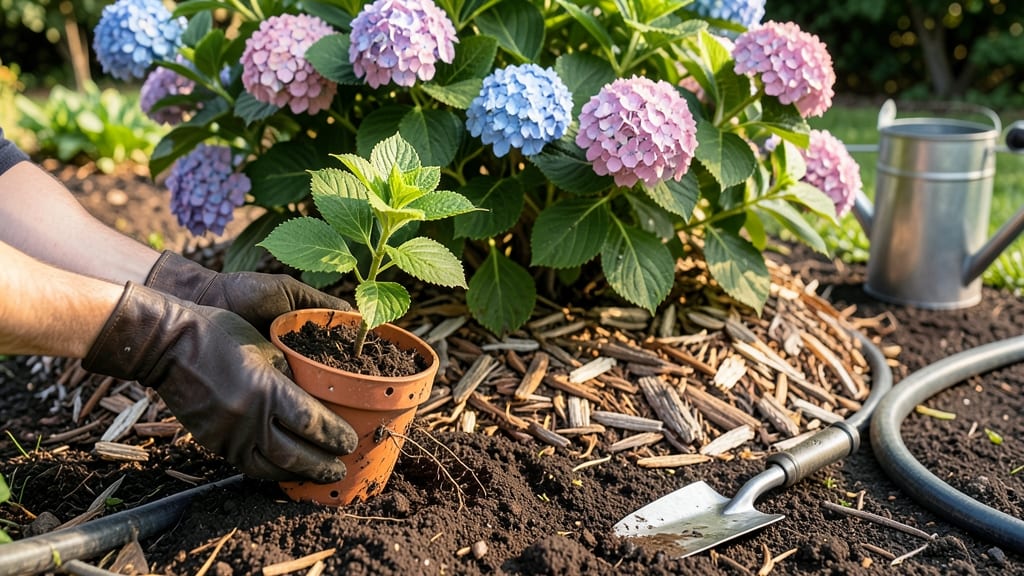
Plant hydrangeas in Utah after the last frost in spring or in early fall, about 4-6 weeks before the first frost hits.
Utah’s unique climate—with its hot summers, cold winters, and varying elevations—can make planting hydrangeas a tricky timing game. Get it wrong, and your blooms may struggle; nail it, and you’ll enjoy lush, vibrant flowers year after year.
In Utah’s USDA Zones 5-9, timing matters more than you might think. Salt Lake City’s Zone 6b and Southern Utah’s Zone 7b have different frost dates, which means your planting window could shift by weeks.
Spring is ideal after the last frost (usually mid-April), but fall planting works too if you get those roots settled before winter.
Below, I’ll break down the best months for your specific zone, how to prep your soil, and pro tips to keep your 🌸 hydrangeas thriving through Utah’s dry spells and temperature swings.
Best planting months for hydrangeas in Utah’s USDA zones 5-7
Utah’s USDA Zones 5-7 create a unique challenge for hydrangea lovers. Unlike coastal climates, Utah’s low humidity and temperature swings demand precise timing. Plant too early, and frost can damage tender roots; too late, and your hydrangeas may struggle to establish before winter.
The key is understanding your specific zone’s last frost date and microclimate—whether you’re in Salt Lake City’s Zone 6b or St. George’s Zone 7b.
Most Utah gardeners opt for spring or fall planting, but the ideal window shifts slightly between zones. In Zone 5 (higher elevations like Park City), aim for late May to early June in spring or mid-September to early October in fall.
Meanwhile, Zone 7 (like St. George) can handle early April to May in spring or late August to September in fall. The goal? Give roots 6-8 weeks to establish before extreme heat or cold arrives.
Soil prep is just as critical as timing. Utah’s alkaline soil (pH often 7.5-8.5) can stress hydrangeas, which prefer acidic soil (pH 5.5-6.2). Before planting, amend your soil with peat moss or sulfur to lower pH. Mix in compost or well-rotted manure for nutrients, and ensure well-draining soil to prevent root rot—a common issue in Utah’s clay-heavy soils.
| Zone & Location | Spring Planting Window | Fall Planting Window | Key Considerations |
|---|---|---|---|
| Zone 5 (Park City, Logan) | Late May – Early June | Mid-September – Early October | Wait for soil >50°F; protect from late frosts |
| Zone 6 (Salt Lake City, Provo) | Early April – Mid-May | Late August – Early September | Avoid planting during heatwaves; mulch heavily |
| Zone 7 (St. George, Cedar City) | Early April – Early May | Late August – Mid-September | Plant in partial shade; water deeply 2x/week |
| All Zones | After last frost | 4-6 weeks before first frost | Test soil pH; amend if needed; mulch 3" deep |
For spring planting, focus on Zone 6 and 7 areas like Salt Lake City and St. George. Plant as soon as the soil warms to 50°F and the risk of frost has passed.
In Zone 5, wait until late May to avoid late frosts that can kill young plants. A pro tip: Use row covers if planting early in Zone 6 to protect from unexpected cold snaps.
Fall planting often yields healthier hydrangeas because cooler temperatures reduce stress. In Zone 7, aim for late August to September—this gives roots time to establish before winter.
In Zone 5, plant by early October to allow roots to harden off before freezing temps. Mulch heavily (3-4 inches) to insulate roots during Utah’s cold winters.
Utah’s microclimates can shift planting dates by weeks. For example, Park City’s high elevation (Zone 5) may have frost until June 10, while St. George’s desert climate (Zone 7) can see 90°F+ days by April.
Check local Almanac frost dates and adjust accordingly. If you’re unsure, fall planting is the safer bet—it’s easier to protect young plants from summer heat than winter cold.
Container planting offers flexibility for Utah gardeners. Since containers dry out faster in Utah’s low humidity, choose large pots (15+ gallons) and use moisture-retentive soil mixes. Plant in late spring (May-June) to avoid overheating containers during Utah’s hot summers.
Move containers to partial shade during peak afternoon sun (1 PM–5 PM) to prevent leaf scorch.
After planting, water deeply (1-2 gallons per plant) to settle soil and encourage root growth. In Utah’s dry climate, hydrangeas need consistent moisture—especially in their first year. Use drip irrigation or soaker hoses to deliver water slowly to the root zone.
Avoid overhead watering, which can spread fungal diseases like powdery mildew, common in Utah’s humid summers.
Finally, choose
How Utah’s microclimates affect hydrangea planting timing
Utah’s elevation shifts and urban heat islands create wildly different planting conditions. At 4,200 feet in Salt Lake City, last frost typically arrives by mid-April, while at 8,000 feet in Park City, frost can linger until late May.
These differences mean your hydrangea planting window could vary by 6-8 weeks across the state.
Urban areas like Provo experience heat island effects, where pavement and buildings trap warmth, pushing planting deadlines 2-3 weeks earlier than rural areas. Meanwhile, Moab’s desert climate demands earlier fall planting to avoid summer’s extreme heat—sometimes as early as July for established roots.
Here’s how to adjust your timing based on Utah’s microclimates, including elevation, urban heat, and frost risks:
For late frost risks, use row covers or plant near south-facing walls to create micro-warmth zones. In early heatwaves (common in Southern Utah), opt for container planting to move hydrangeas to shade during extreme heat.
Adjust your watering schedule based on microclimate too—urban areas dry out faster, while higher elevations may need morning watering to prevent frost damage overnight. Always mulch with 3-4 inches of organic matter to stabilize soil temps.
Pro tip: Monitor local weather forecasts for 10-day outlooks—Utah’s microclimates can shift planting windows overnight, especially in transition months like April or October.