
Plants
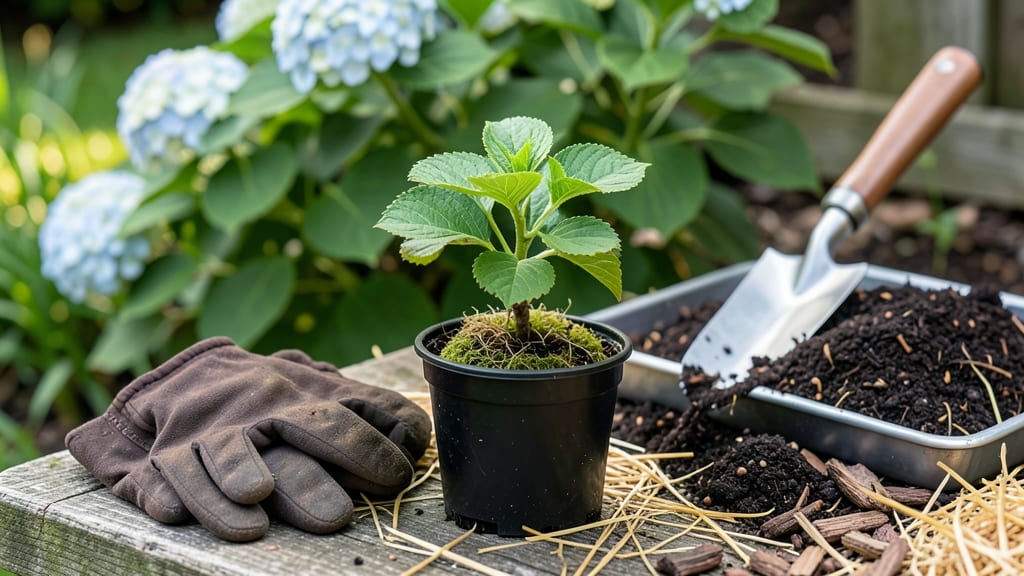
Planting hydrangeas in Iowa at the right time ensures vibrant blooms and hardy growth through Zone 5 winters.
Iowa’s unpredictable spring frosts can derail even the best-laid plans—but timing your hydrangea planting just right gives these 🌸 shrubs the best shot at thriving. Too early, and a late frost will shock tender roots; too late, and your plant won’t establish before winter.
The key is knowing when the soil warms enough to support root growth while still leaving time for strong root development before the first frost.
Most gardeners in Iowa’s 5a-6b zones aim for late April through early June, but fall planting (September-October) works too for varieties like 'Annabelle' that handle cold well. The secret? Soil temperatures above 50°F and a good 4-6 weeks before the first hard frost.
That’s where local microclimates—like urban heat islands in Des Moines or cooler pockets near Dubuque—come into play.
In this guide, I’ll break down the exact frost-free windows for bigleaf, panicle, and oakleaf hydrangeas, plus pro tips to extend Iowa’s short growing season. Whether you’re planting in-ground or containers, you’ll learn how to give your hydrangeas the perfect head start for bigger, longer-lasting blooms every season.
Iowa hydrangea planting timeline: best months by variety type
Iowa’s Zone 5 climate demands precision when planting hydrangeas. The frost-free window varies by region—Des Moines averages 165 frost-free days, while Dubuque’s shorter season requires earlier prep. Bigleaf hydrangeas, like 'Endless Summer', need soil temperatures above 50°F to thrive, while panicle types ('Limelight') tolerate cooler soils.
Oakleaf varieties ('Snow Queen') are the most cold-hardy, making them ideal for Iowa’s late spring frosts.
Spring planting is ideal for bare-root hydrangeas, but Iowa’s last frost dates (April 15 in southern regions to May 1 in northern areas) mean you must act fast. Fall planting offers a second chance for hardy varieties like oakleaf hydrangeas, which benefit from established roots before winter.
However, avoid planting bigleaf types in fall—they’re less frost-tolerant and may struggle to harden off.
Here’s how Iowa’s three major regions differ in their planting windows:
| Variety Type | Best Planting Window | Soil Temp Threshold | Des Moines (Zone 5b) | Cedar Rapids (Zone 5a) | Dubuque (Zone 5a) |
|---|---|---|---|---|---|
| Bigleaf (e.g., 'Endless Summer') | Late April - Early June | 50°F+ | April 25 - May 15 | May 1 - May 20 | May 10 - June 1 |
| Panicle (e.g., 'Limelight') | Late April - Early June or Sept 15-Oct 15 | 45°F+ | April 20 - May 10 | April 25 - May 15 | May 5 - May 25 |
| Oakleaf (e.g., 'Snow Queen') | Late April - Early June or Sept 1 - Oct 15 | 40°F+ | April 15 - May 5 | April 20 - May 10 | April 25 - May 15 |
| All Varieties (Container-Grown) | May 15 - June 15 | N/A (Established roots) | May 20 - June 10 | May 25 - June 5 | June 1 - June 15 |
🌱 Note: Fall planting is riskier for bigleaf types but ideal for oakleaf and panicle varieties.
For spring planting, prepare your hydrangeas by soaking bare-root plants in water for 4-6 hours before transplanting. Amend Iowa’s clay-heavy soil with compost or peat moss to improve drainage—a critical step for bigleaf hydrangeas, which rot in soggy soil.
In Des Moines, aim to plant by May 15 to avoid late spring frosts, while Dubuque gardeners should wait until after May 25 to ensure safety.
Fall planting offers a second opportunity for panicle and oakleaf hydrangeas, which establish roots before winter. In Cedar Rapids, plant between September 15 and October 15 when soil temps drop below 60°F.
Mulch heavily with 3-4 inches of straw to protect roots from freeze-thaw cycles. Avoid fall planting for bigleaf varieties—they’re less cold-hardy and may not survive Iowa’s first frost (October 15).
Container-grown hydrangeas give you flexibility in Iowa’s short season. Plant them after May 15 when soil is consistently warm. Containers also let you move plants to sheltered spots during late frosts.
For urban gardeners in Des Moines, choose dwarf varieties like 'Little Lime' (panicle) or 'Mini Penny' (bigleaf) to maximize space.
Test your soil pH before planting—hydrangeas thrive in acidic soil (pH 5.5-6.2).
Iowa’s limestone-rich soil often tests alkaline, so amend with sulfur or pine needles to lower pH. Bigleaf hydrangeas are especially pH-sensitive; adjust soil to blue blooms (pH 5.2) or pink blooms (pH 6.0) using aluminum sulfate or lime.
After planting, water deeply to settle soil and remove air pockets. In Dubuque’s cooler climate
5 Pro tips to extend Iowa’s short growing season for hydrangeas
Iowa’s Zone 5 climate means hydrangeas face late spring frosts and early fall freezes, but with the right strategies, you can protect your plants and enjoy longer bloom seasons. The key is creating a microclimate that shields tender roots while maximizing growing time.
Whether you’re planting in-ground or containers, these season-extending tactics will give your hydrangeas the edge they need to thrive.
First, mulching is your best defense against temperature swings. A thick layer of mulch (3-4 inches) insulates roots from late frosts in spring and early freezes in fall.
In Iowa’s clay-heavy soils, organic mulches like straw or shredded leaves improve drainage while retaining moisture—critical for hydrangeas that prefer consistent moisture. But not all mulches are equal, especially in our heavy clay. Let’s compare organic vs. synthetic options to see which works best for your garden.
Organic vs. Synthetic Mulch for Iowa Hydrangeas
Organic Mulch
- Pros: Improves soil structure, adds nutrients, retains moisture
- Cons: Breaks down faster, may compact clay soil
Best for: Long-term soil health in Iowa’s clay
Synthetic Mulch
- Pros: Lasts 2-3 years, suppresses weeds, doesn’t compact soil
- Cons: No nutrient benefits, can overheat roots in summer
Best for: Urban gardens with limited space
Next, container gardening is a game-changer for urban Iowans or those with limited space. Moving hydrangeas to wheelbarrow planters or large pots lets you relocate them to sunny spots in summer and protected areas in winter.
Just use a lightweight potting mix with perlite to prevent compaction, and add slow-release fertilizer to compensate for root restrictions. Container-grown hydrangeas also warm up faster in spring, giving them a 2-3 week head start over in-ground plants.
For in-ground plantings, microclimate selection is everything. Hydrangeas thrive in partial shade, but Iowa’s intense summer sun can scorch leaves. Plant near south-facing walls or under mature trees to create natural shade.
Avoid low-lying areas where cold air pools—instead, choose slightly elevated spots with good air circulation. This simple shift can add 10-14 frost-free days to your growing season.
Don’t overlook late-season care either. In early fall, apply a thin layer of mulch (2 inches) and wrap young plants with burlap to shield them from early freezes. For established hydrangeas, cut back dead foliage in late winter (after the last frost) to encourage new growth.
This pruning hack keeps energy focused on root development rather than maintaining old stems.
Finally, soil preparation sets the stage for success. Iowa’s clay soil drains poorly, so amend with compost or peat moss to improve aeration. Aim for a pH of 5.5-6.5—hydrangeas love slightly acidic soil.
Test your soil in early spring and adjust with sulfur or lime as needed. Well-prepared soil means stronger roots that recover faster from temperature fluctuations and drought stress.
With these 5 pro tips, your hydrangeas will beat Iowa’s short growing season and reward you with bold blooms year after year. Start with mulching, then refine your microclimate—your 🌸 shrubs will thank you!