
Plants
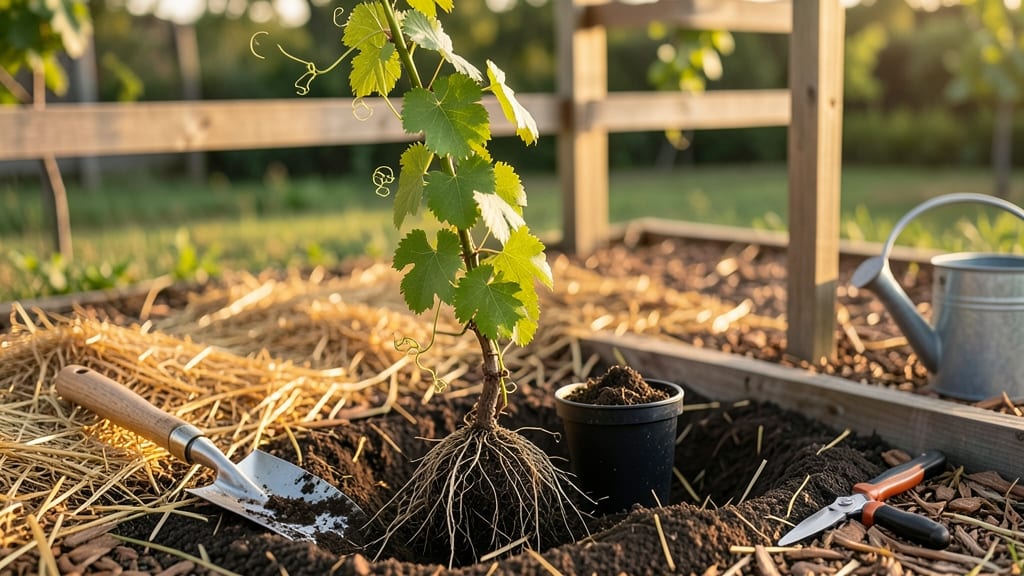
To plant grapes in Florida, aim for December through March when cooler temps and dormant vines make rooting easier—especially for bare-root varieties like muscadines.
Here’s the catch: Florida’s microclimates throw a wrench into timing. North Florida’s occasional January frost can nip tender vines, while South Florida’s relentless summer heat stresses young plants if planted too early. Get it wrong, and you’re staring at stunted growth or fruit that never ripens.
This guide breaks down the perfect planting window for your specific zone—whether you’re in the Panhandle’s cooler hills or Miami’s steamy coast—plus how to cheat the system with containers and shade cloth for year-round success.
You’ll learn which grape varieties thrive in Florida’s heat, how to read soil temps like a pro, and the one pruning trick that doubles your harvest. No more guessing—just flavor-packed grapes on your table.
Florida’s best grapes planting months by growing zone (with microclimate adjustments)
Florida’s 11 USDA growing zones (7A–9B) create unique challenges for grape growers. Coastal areas like Miami (10A) face high humidity, while the Panhandle (8B) experiences hotter summers and cooler winters. Even within zones, microclimates—like inland heat islands or coastal breezes—shift planting windows by weeks.
Understanding these variations helps you avoid frost damage in North Florida or heat stress in South Florida.
Most Florida gardeners plant bare-root grapes in late fall or winter, but timing depends on your zone. Muscadine grapes (native to Florida) handle heat better than wine grapes, while Vitis vinifera varieties need cooler winters.
Below, I break down the ideal planting months for each zone, plus adjustments for coastal humidity, inland heat, and high-altitude areas like the Panhandle.
In Zone 7A (Panhandle), where frost can hit as late as January 15, plant bare-root grapes in December to give roots time to establish before cold snaps.
Use mulch (straw or wood chips) to insulate roots, especially for Vitis vinifera varieties like Cabernet Sauvignon, which are less cold-hardy. Muscadine grapes, like Scuppernong, handle frost better and can be planted slightly later.
For Zones 8A and 8B
How to time grapes planting for Florida’s unpredictable weather patterns
Florida’s weather is famously unpredictable—one day it’s a balmy 75°F, the next you’re battling 95°F heat or a surprise frost. For grapes, this means timing your planting is everything. The coolest months (December–March) are ideal, but even then, North Florida’s January frost risk can catch you off guard.
South Florida’s heat, meanwhile, stresses young vines if planted too early in the year.
I’ve learned the hard way that planting too early in November or April often leads to stunted growth or fruit that never ripens. The key is reading the cues: soil temperature, local microclimates, and even the moon phase (yes, really!).
Here’s how to nail the perfect window for your Florida zone—and protect your vines from the state’s wildest weather quirks.
⚠️ WARNING: Florida’s Frost & Heat Zones Can Ruin Your Grapes ⚠️
First, choose the right grape variety for your zone. Muscadines (like Scuppernong) handle Florida’s heat better than European wine grapes, which need cooler nights. If you’re in North Florida (Panhandle or Gainesville), opt for frost-hardy varieties like Cynthiana or Norton.
South Floridians can grow Flame Seedless or Thompson Seedless with shade cloth in summer.
Next, focus on soil preparation. Florida’s sandy soil drains too fast—amend it with 2–3 inches of compost and a 3-inch layer of mulch (use pine straw or wood chips) to retain moisture and regulate temps.
For container grapes, mix 50% potting soil with 50% perlite to prevent root rot. Plant in 5-gallon pots minimum for young vines.
Don’t overlook hurricane season timing. If you plant in June–October, young vines are vulnerable to wind damage. I recommend planting in late spring (May) for container grapes if you must go off-season, but stake them securely and use windbreaks.
For in-ground vines, December–March is safest—hurricane season is winding down, and temps are ideal for root establishment.
Finally, use this pruning hack to boost survival: After planting, trim the top growth by 1/3 to reduce stress. This forces energy into root development instead of leafy shoots. In North Florida, add a 4-inch layer of mulch around the base in November to insulate roots from frost.
For South Florida, shade cloth (30–50% block) in summer months keeps temps down and prevents sunburn on young leaves.
With these strategies, you’ll avoid the #1 mistake Florida gardeners make: planting at the wrong time. Your grapes will thrive, and you’ll enjoy homegrown fruit year-round—no matter what Mother Nature throws your way. 🍇