
Plants
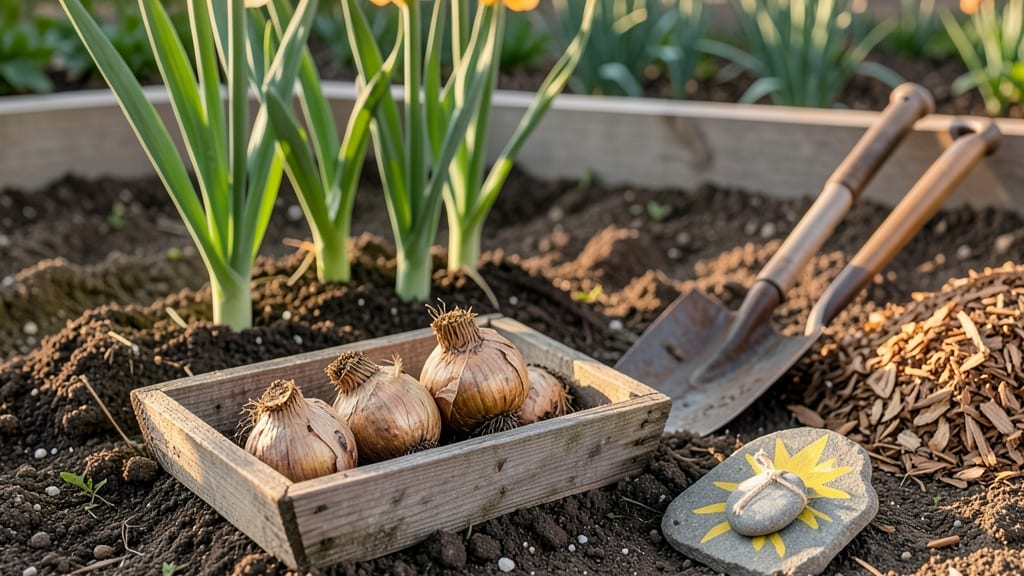
Plant gladiolus bulbs in North Carolina when soil temperatures hit 55°F+ and the last frost has passed — typically late April to early May in most zones, but earlier in the Coastal Plain.
If you’re dreaming of vibrant summer gardens filled with dramatic, sword-like blooms, timing your gladiolus bulb planting just right is the secret weapon—especially in North Carolina’s shifting climate zones.
These tall, showstopping flowers need warmth to thrive, but planting too early risks rot from lingering cold. Meanwhile, waiting too long cuts back on their summer-to-fall blooming window, leaving you with fewer cuttings or arrangements.
Below, I break down the exact planting dates for USDA Zones 7a-8b, soil prep tricks to speed up growth, and how to tweak your schedule for Piedmont heat or coastal humidity.
North Carolina gladiolus planting dates by USDA Zone: exact months and soil temperature guidelines
North Carolina’s diverse climate—spanning from the cooler Piedmont region to the humid Coastal Plain—means your gladiolus planting timeline should align with your specific USDA zone. In zones 7a-8b, the key is planting when soil temperatures hit 55°F or warmer and the last frost has passed.
This ensures strong root development before summer heat arrives, leading to those show-stopping sword-shaped blooms you’re craving.
For most of North Carolina, this means waiting until mid-April to early May in cooler zones like 7a, while gardeners in 8a-8b can start as early as late March. The difference might seem small, but it’s the secret to avoiding rot-prone conditions in cold, damp soil.
Think of it like waiting for your pool to warm up before diving in—too soon, and you’ll regret it!
Soil temperature is your best friend here. Use a soil thermometer to confirm readiness—gladiolus corms (not bulbs!) need that 55°F minimum to wake up from dormancy. In Zone 7a, this often aligns with April 15-30, while Zone 8b gardeners might plant by March 20 in ideal years. Pro tip: If your soil is still chilly, hold off—even a few weeks can make the difference between lush blooms and wilted disappointment.
| USDA Zone | Ideal Planting Window | Soil Temp Threshold | Last Frost Date | Bloom Time |
|---|---|---|---|---|
| 7a (Asheville) | April 15–May 1 | 55°F+ | April 1–15 | July–August |
| 7b (Raleigh) | April 1–April 15 | 55°F+ | March 15–April 1 | June–August |
| 8a (Charlotte) | March 20–April 10 | 55°F+ | February 28–March 15 | June–September |
| 8b (Wilmington) | March 1–March 15 | 55°F+ | February 1–15 | May–September |
If you’re in Zone 8a or 8b, you might be tempted to plant earlier—but don’t rush! Coastal areas like Wilmington can still see light frosts in March, and gladiolus corms are frost-sensitive.
Aim for March 1-15 in these zones, and always check your local Cooperative Extension Service for frost alerts. For example, Charlotte gardeners often wait until March 20 to play it safe.
Here’s a pro move: Stagger your planting by 2-3 weeks for continuous blooms. Start with early varieties (like ‘Picasso’ or ‘Green Star’) in late March/April, then add mid-season bloomers (such as ‘Black Star’) 3 weeks later.
This ensures your garden stays vibrant from June through September, even if you’re in a cooler zone. Think of it like a gladiolus bloom marathon—the more variety, the longer the show!
One common mistake? Planting gladiolus too deep or shallow. In North Carolina’s heavy clay soils (common in the Piedmont), aim for 4-6 inches deep—deeper in sandy soils (like those in the Coastal Plain). The top of the corm should be just 2 inches below soil level.
Too shallow, and they’ll bake in summer heat; too deep, and they’ll struggle to emerge. Use a wooden dowel to mark planting spots if you’re unsure.
Don’t forget to prep your soil! Gladiolus thrive in well-draining, fertile soil with a pH of 6.0-7.0. Work in 2-3 inches of compost or aged manure before planting, and consider adding a slow-release fertilizer (like 10-10-10) at planting time. In Zone 7a, where summers can be
5 Critical factors that determine your perfect gladiolus planting window in NC
Getting your gladiolus planting timing right in North Carolina means balancing frost dates, soil warmth, and variety-specific needs. Unlike cool-season crops, these dramatic bloomers demand patience—plant too early, and cold soil triggers rot; too late, and you miss peak summer color.
Here’s how to nail the perfect window for your zone.
North Carolina’s USDA Zones 7a-8b create microclimates where even a few miles can shift planting dates by weeks. For example, the Coastal Plain (Zone 8a) often sees safe planting by mid-April, while the Mountains (Zone 7a) may need to wait until late May.
Your local last frost date is just the starting point.
- 🌡️ Soil Temperature: Wait until soil hits 55°F+ (use a soil thermometer). Cold soil = rot risk.
- ❄️ Last Frost Date: Add 2-3 weeks after average last frost to account for late cold snaps (check NC State Extension).
- 🌱 Bulb Size: Large 2-inch corms (like 'White Friendship') need warmer soil than small 1-inch corms (e.g., 'Picasso').
- 🌿 Variety Type: Early bloomers (e.g., 'Green Star') can plant 2 weeks earlier than late bloomers (e.g., 'Black Star').
- 🌧️ Humidity Adjustments: Coastal areas (high humidity) may need raised beds to prevent fungal issues; Piedmont’s dry heat lets you plant slightly earlier.
Don’t overlook bulb size—it’s a game-changer for timing. Larger 2-inch corms (like 'White Friendship') store more energy and can handle slightly cooler soil, while tiny 1-inch corms (e.g., 'Picasso') need warmer conditions to avoid stunting.
Pro tip: Pre-warm your soil by covering beds with black plastic for 1-2 weeks before planting.
Choosing the right gladiolus variety also shifts your timeline. Early bloomers like 'Green Star' (blooms in 80 days) can go in the ground 2 weeks before late varieties like 'Black Star' (blooms in 100 days).
For extended color, stagger plantings: install 1/3 of your bulbs at the ideal date, then add more every 2 weeks until early July.
North Carolina’s humidity variations demand extra attention. In the Coastal Plain, high moisture increases fungal risks, so plant in well-draining raised beds and avoid overhead watering.
Meanwhile, the Piedmont’s drier air lets you plant 1-2 weeks earlier without rot concerns. Always test your soil’s drainage—gladiolus corms rot in soggy conditions.
For late-season adjustments, monitor your local heatwave forecasts. If a 90°F+ stretch hits before blooming, provide afternoon shade to prevent bud drop. And if you’re in Zone 8b, you can even try a fall planting (late August) for holiday-season blooms—just use heat-tolerant varieties like 'Dixie Friendship'.