
Plants
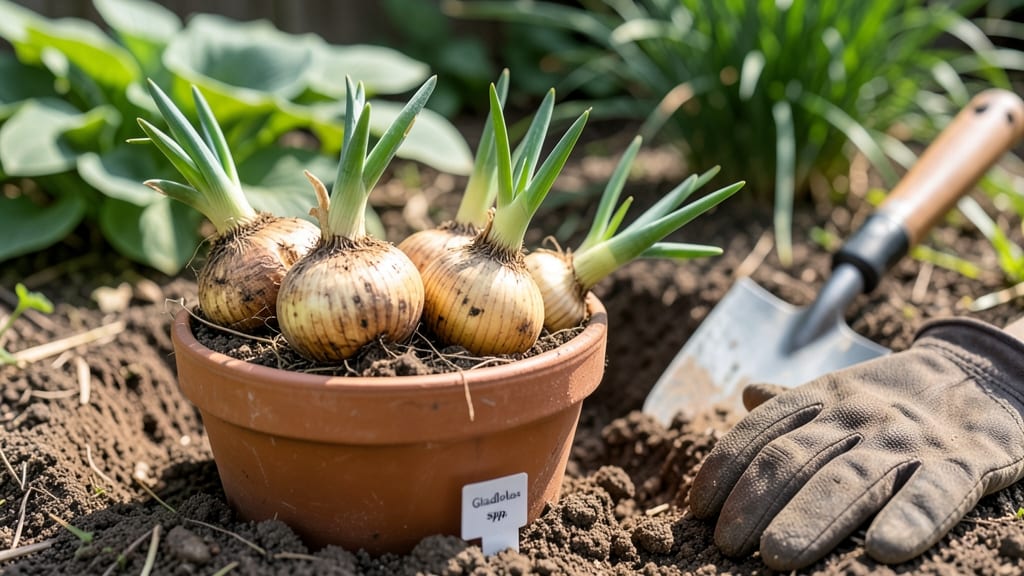
Plant gladiolus bulbs in Georgia about 4-6 weeks before your last frost date—typically mid-March to early April—to guarantee those showstopping summer blooms 🌸.
Georgia’s warm climate and long summers make gladiolus bulbs a stunning addition to any garden—but planting them at the wrong time can mean missed blooms or stunted growth. Timing is everything, especially in USDA Zone 8, where heat and humidity demand precision.
Too early, and the bulbs may rot in damp soil; too late, and you’ll miss the 90-120-day flowering window before summer’s peak. The key is getting them in the ground when soil temperatures hit 60°F, giving roots time to establish before the heat arrives.
Below, I’ll break down the exact planting window, how to adjust for early vs. late blooms, and the soil prep tricks that make all the difference in Georgia’s climate.
Ideal planting months for gladiolus in Georgia’s zone 8 climate
Gladiolus bulbs thrive in Georgia’s USDA Zone 8 when planted during a precise 4-6 week window before summer heat peaks. The ideal planting time ensures robust growth and vibrant summer blooms from July through September.
Unlike cooler climates, Georgia’s early warmth means you can start earlier—but timing is critical to avoid rot from soggy soil or stunted flowers from late planting.
For peak performance, aim to plant gladiolus corms when soil temperatures consistently reach 60°F (15°C). This typically aligns with mid-March to early April in most of Georgia, giving plants enough time to establish roots before the intense summer heat arrives.
Early varieties can handle slightly cooler soil, while late-blooming types benefit from a delayed start to extend the flowering season into fall.
🌱 Pro Tip: Use a soil thermometer to confirm 60°F+ soil temps before planting—this is your green light to start!
Here’s a quick reference for Georgia’s Zone 8 planting window:
Planting in mid-March gives gladiolus bulbs a 10-12 week head start before Georgia’s peak summer heat (June-July). This timing ensures strong root development and taller, more robust spikes.
If you miss this window, you can still plant into early May for late-season blooms, but expect slightly shorter stems and fewer flowers due to the intense summer heat.
Georgia’s humidity and heat can stress gladiolus if planted too late. After mid-May, the risk of bolting (premature flowering) or heat stress increases, especially for late varieties. Always choose heat-tolerant varieties like ‘Black Star’ or ‘Green Star’ if you’re pushing the planting window.
For container gardening, adjust your timing by 1-2 weeks earlier since pots heat up faster. Place containers in partial shade during the hottest afternoons to protect delicate corms from soil overheating. Mulch with straw or pine needles to retain moisture and regulate temperature.
One common mistake in Georgia is planting gladiolus too early (February or early March), which can lead to rot from cold, wet soil. Wait until soil temperatures are consistently above 60°F (15°C)—this usually happens after the last frost date (March 15) but may vary by microclimate.
Use a soil thermometer to avoid guessing.
After planting, maintain consistent moisture but avoid waterlogging—gladiolus bulbs rot easily in soggy conditions. In Georgia’s Zone 8 heat, water deeply once a week in the morning to prevent fungal diseases. Once flowers appear, reduce watering slightly to encourage longer vase life.
For extended blooms, stagger plantings every 2-3 weeks from March through May. This creates a continuous display from July through October, perfect for Georgia’s long growing season. Just remember: late plantings (after May) may not bloom until fall or even next spring in cooler microclimates.
🌸 Final Tip: Mark your calendar for March 15-April 15—this is your prime planting window for bold, healthy gladiolus in Georgia’s Zone 8!
How to adjust planting time for early vs late summer blooms
Want to stretch your gladiolus blooms from early summer to late fall? Staggered planting is the secret. By adjusting your planting schedule, you can force flowers to bloom earlier or later while avoiding frost damage.
Georgia’s USDA Zone 8 climate gives you flexibility—just follow these proven strategies to keep your garden vibrant all season.
For early blooms, plant your first batch of gladiolus bulbs in late February to early March. This gives them a head start, and with Georgia’s mild winters, they’ll often flower by June or July.
Choose early-maturing varieties like ‘Picasso’ or ‘Green Star’ for the fastest results. Just be prepared to protect them if an unexpected late frost hits.
For late blooms, wait until mid-to-late May to plant your second batch. These bulbs will bloom in August or September, extending your garden’s color well into fall. This works especially well in Georgia’s warm climate, where summer heat can stress early plantings.
- 1
- 2
- 3
- 4
To force earlier blooms, try pre-sprouting your bulbs indoors. Start them in pots with well-draining soil 4-6 weeks before your target outdoor planting date. Once they’ve sprouted 2-inch shoots, transplant them outside. This trick works especially well for cut flower gardens where timing matters.
For late-season blooms, focus on heat-tolerant varieties like ‘Black Pearl’ or ‘White Friendship’. These hold up better in Georgia’s summer heat and often reward you with late August or September blooms. Just mulch heavily to retain moisture and protect roots from drying out.
Remember: Gladiolus bulbs need 60°F soil to thrive. Use a soil thermometer to check before planting—cold soil can delay growth. With staggered plantings, you’ll enjoy continuous blooms from June through September, making your garden the envy of the neighborhood 🌸.