
Plants
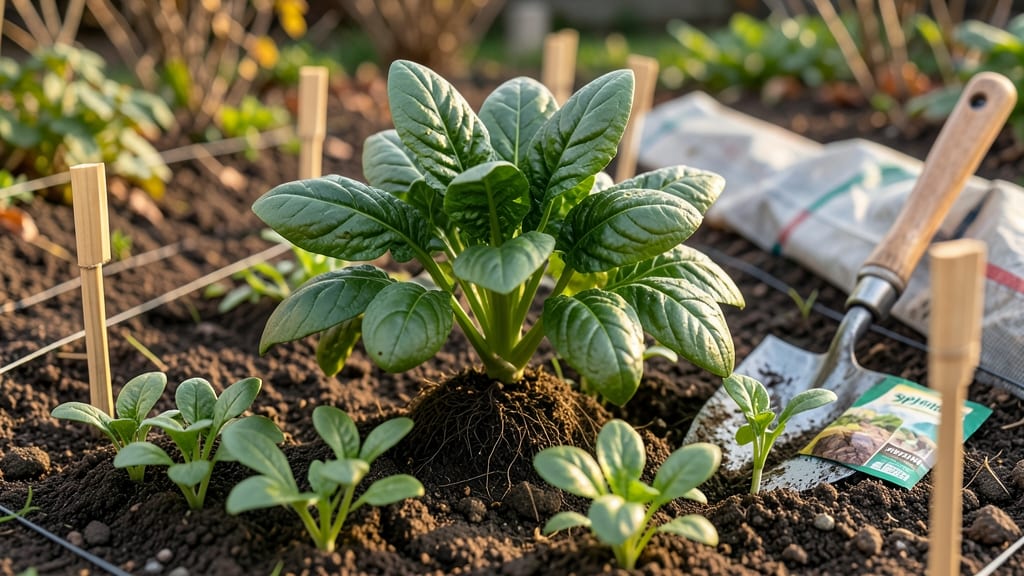
Planting fall spinach in Zone 6 is all about timing—4 to 6 weeks before your first frost is the sweet spot for tender, frost-sweetened greens.
Picture this: you’re pulling crisp, dark leaves straight from the garden in October, while your neighbors are still waiting for their summer tomatoes to ripen. The key? Avoid planting too early—hot August soil can make spinach bolt (go to seed) faster than you can say "🥬."
Zone 6’s variable climate means your exact dates depend on whether you’re in 6a (earlier frost) or 6b (later). But here’s the game-changer: succession planting in late August and early September lets you harvest for weeks, even as temperatures dip.
Below, I’ll walk you through the exact weeks to plant, how to prep your soil, and the 3 biggest mistakes beginners make that kill their crop before frost. No more wasted seeds or bitter harvests!
Optimal planting windows for fall spinach in Zone 6: exact weeks before frost
Fall spinach thrives in Zone 6’s cooler temperatures, but planting too early risks bolting (flowering) from heat, while late plantings may not mature before frost. The key is timing your spinach 4-8 weeks before your first frost date, typically between mid-August and mid-September for most of Zone 6.
This window ensures tender leaves without sacrificing yield to summer’s intensity.
Zone 6’s climate varies—some areas experience first frosts as early as late October, while others hold off until mid-November. Check your local USDA frost map and adjust your schedule accordingly.
For example, in 6a (colder subzone), aim for late August to early September plantings, while 6b (warmer) can stretch to mid-September.
| Planting Window | Weeks Before Frost | Soil Temp (°F) | Best Varieties | Harvest Window |
|---|---|---|---|---|
| Early Fall (Late August) | 8-10 weeks | 55-65°F | 'Tyee' (flat-leaf), 'Bloomsdale Long Standing' | October - November |
| Mid-Fall (Early September) | 6-8 weeks | 50-60°F | 'Space' (baby leaf), 'Giant Winter' | Late October - December |
| Late Fall (Mid-September) | 4-6 weeks | 45-55°F | 'Corvair' (savoy), 'Winter Bloomsdale' | November - Early December |
Soil temperature is just as critical as air temperature. Spinach seeds germinate best when soil stays between 50-65°F. Use a soil thermometer to confirm—if temps hover above 70°F, wait 1-2 weeks to avoid slow germination or seedling stress.
For savoy varieties, which are more cold-tolerant, you can push the late-September window slightly later than flat-leaf types.
Heat-tolerant varieties like 'Heat-Tolerant 827' or 'Melody' can handle brief summer heat, but even these may bolt if planted before mid-August. If your summer stretches into early September, opt for shade cloth (30-50%) over seedlings to protect them until temps drop.
This is especially useful in Zone 6b, where summers linger longer.
For a continuous harvest, stagger plantings every 2-3 weeks starting in late August. This ensures you’re always picking fresh leaves while older plants mature.
For example, plant 10% of your crop in late August, another 30% in early September, and the final 60% in mid-September to cover all frost scenarios. Baby leaf varieties like 'Space' mature in just 30-40 days, making them ideal for quick turnarounds.
Watch for soil moisture as fall approaches—spinach needs 1-1.5 inches of water weekly, but avoid soggy soil, which invites damping-off disease. Mulch with straw or shredded leaves to retain moisture and regulate soil temps.
In dry Zone 6 years, consider drip irrigation to keep roots consistently hydrated without wetting foliage, which can promote fungal issues.
If a light frost (28-32°F) threatens before harvest, cover plants with frost blankets or row covers at dusk. Most spinach varieties tolerate 20-25°F for short periods, but prolonged freezing will kill the crop.
Harvest outer leaves first to prolong the plant’s life, and avoid cutting into the crown unless you’re harvesting the entire plant.
Remember: Spinach is a cool-season crop, but it’s not frost-proof. The sweetest, tenderest leaves come from plants grown in 50-60°F soil with 10-12 hours of daylight. By aligning your plantings with these conditions, you’ll enjoy a bountiful, flavorful harvest well into winter—without the bitterness of summer-grown spinach.
Start with small test plots if you’re new to fall spinach. This lets you refine your timing based on your microclimate. Over time, you’ll learn exactly when your Zone 6 garden delivers the perfect balance of heat and chill for spinach success. Happy planting! 🌱
How to extend your spinach harvest: succession planting and frost protection tips
To keep your spinach table all fall long, succession planting is your secret weapon. Instead of one big harvest, you’ll enjoy fresh greens for 6-8 weeks—even as temperatures drop. The trick? Stagger your plantings every 10-14 days starting in late August.
For Zone 6, aim for 3 planting batches: late August, mid-September, and early October. This ensures your first crop matures just as cooler weather arrives, while later batches keep producing until frost. Pro tip: Use faster-maturing varieties like 'Baby’s Leaf Hybrid' for quicker turnarounds.
🌱 Numbered Highlights: Extending Your Spinach Harvest
- 1. Succession Plant: Sow seeds every 10-14 days from late August to early October for continuous harvests.
- 2. Harden Off Seedlings: Gradually expose young plants to outdoor temps for 1 week before transplanting.
- 3. Use Row Covers: Lightweight fabric adds 2-4°F protection and extends harvest by 2-3 weeks.
- 4. Build a Cold Frame: Extends season by 4-6 weeks by trapping heat during the day.
- 5. Companion Plant: Pair with radishes or lettuce to confuse pests and maximize space.
- 6. Harvest Strategically: Pick outer leaves first to keep plants producing until 20°F.
Frost protection is non-negotiable in Zone 6. A lightweight row cover (like Reemay fabric) can shield your spinach from 25°F temperatures, while a cold frame (a DIY box with a clear lid) adds 10-15°F protection.
For extreme cold, consider a mini greenhouse or even a cloche over individual plants.
Knowing when to salvage frost-damaged spinach is key. If leaves turn black or mushy, it’s time to compost. But if they’re just wilted or slightly discolored, trim the damaged parts and let the plant recover. Spinach tastes sweeter after light frost, so don’t rush to pull it!
For beginners, start small with 5-10 plants and focus on one method (like row covers) before expanding. With these tips, you’ll enjoy homegrown spinach long after your neighbors’ gardens go dormant.