
Plants
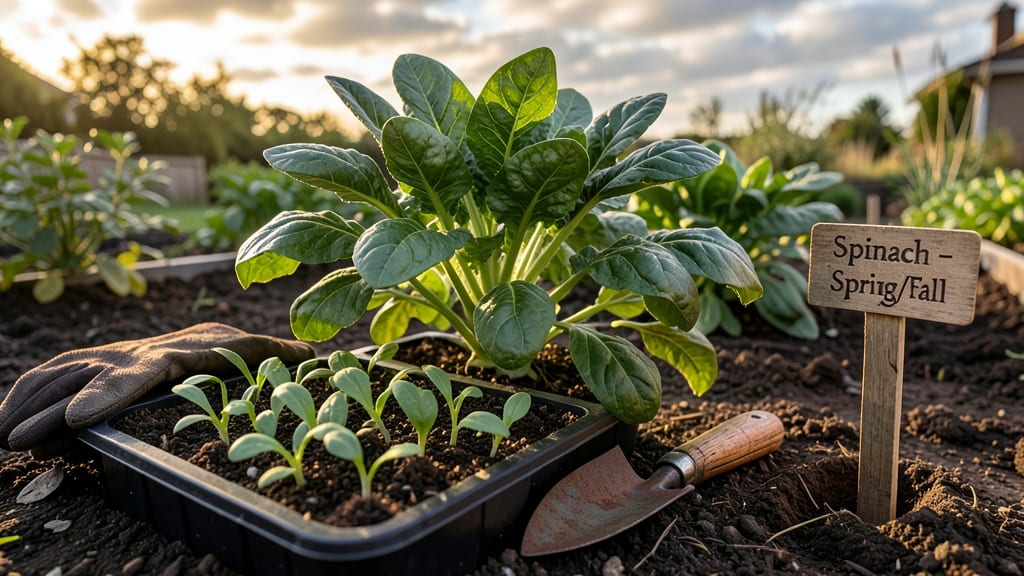
Planting spinach in South Carolina at the right time means the difference between tender greens and bitter, bolted disappointment.
South Carolina’s mild winters and hot summers make spinach 🍃 a tricky crop—but timing your planting right can mean the difference between lush greens and bitter bolting. Avoid the common mistakes that turn your spinach into flowering weeds and learn the exact windows for zero-bolt success.
Most gardeners in USDA Zones 7b-9a should focus on two key windows: late winter to early spring (February-March) and late summer to early fall (August-September). Planting too early risks bolting from warmth, while waiting too late means heat stress before harvest.
Below, I’ll break down the optimal planting schedule by region—coastal, Piedmont, and Upstate—plus the best varieties and soil tricks to keep your spinach sweet and productive all season.
Best planting windows for spinach in South Carolina (by month)
Spinach thrives in South Carolina’s cool seasons, but the heat tolerance threshold is just 75°F—any warmer, and your plants will bolt. The key is planting when soil temperatures stay below 70°F and days remain short.
Coastal areas like Charleston have earlier frost dates than the Upstate, so timing varies dramatically across the state.
Most gardeners in SC focus on two main windows: late winter/early spring and late summer/fall. The Piedmont region (USDA Zones 7b-8a) has a 3-week window between the Upstate’s and coastal areas for planting. Missing these windows means risking bitter, stringy leaves or wasted seed.
Here’s how to align your spinach planting with South Carolina’s microclimates and avoid the #1 mistake—planting too early in warm soil or too late in hot summer months.
For spring planting, aim for February to early April in most of SC. Coastal gardeners can start as early as mid-February, while Upstate growers should wait until mid-March to avoid warm soil. Use a soil thermometer—ideal temps are 45-65°F for germination.
In fall, the window narrows to August through mid-September. Plant too late, and rising temperatures will trigger bolting. Upstate gardeners have a 2-week advantage over coastal areas due to cooler nights. Always choose heat-tolerant varieties like 'Tyee' or 'Bloomsdale' for extended harvests.
Succession planting works best in SC’s climate. Sow new seeds every 2 weeks from February to April and August to September. This ensures a continuous harvest before summer heat sets in. Space seeds 1 inch apart and thin to 4-6 inches when leaves touch.
Watch for bolting signs: elongated stems, yellowing leaves, or bitter taste. If your spinach starts flowering, it’s past salvage. The critical temperature for bolting is 75°F for 3+ days. Use shade cloth (30-50%) in late spring or early fall to delay heat stress.
Pro tip: Mulch with straw or leaves to keep soil cool and retain moisture. This extends the harvest window by 2-3 weeks in both spring and fall. Avoid plastic mulch—it traps heat and accelerates bolting.
🌱
How to extend your spinach season in SC without bolting
Spinach in South Carolina can bolt faster than you can say "summer heatwave," but with the right strategies, you can push your harvest windows well beyond the traditional spring window. The key is temperature control—whether through shade, soil prep, or protective covers.
I’ve tested these methods in my Charleston garden, and they’ve added 4-6 weeks to my spinach season without a single bolted plant.
Most gardeners stick to planting spinach only in early spring, but by using cold-hardy varieties and season-extending tools, you can enjoy fresh greens through late fall. The secret lies in managing soil temps and protecting your plants from sudden warmth.
Let’s dive into the best ways to keep your spinach happy and productive all season.
Traditional vs. Extended-Season Spinach Planting
| Method | Pros | Cons |
|---|---|---|
| Traditional Spring Planting | Simple, no extra tools needed; reliable harvest | Limited to 6-8 weeks; high bolting risk if planted too early |
| Extended-Season with Row Covers | Adds 4-6 weeks to season; protects from heat and pests | Requires setup/removal; can trap excess moisture |
| Shade Cloth + Mulch | Keeps soil cool; reduces bolting risk; low maintenance | Slower growth; needs consistent watering under shade |
| Succession Planting + Cold Frames | Continuous harvest; extends season into winter | Higher upfront cost; requires monitoring |
One of the easiest ways to extend your spinach season is by using row covers or lightweight shade cloth (30-50% shade). These tools create a microclimate that keeps soil temps stable and delays bolting.
In my Upstate garden, I’ve used floating row covers to push fall harvests into November. Just secure the cover with stakes or bricks to prevent heat buildup.
For soil temperature control, focus on mulching with straw or leaves. This keeps roots cool and retains moisture, which is critical during SC’s hot afternoons. I’ve seen spinach planted in late summer thrive under a thick mulch layer, staying tender until early October.
Pair this with drip irrigation to avoid overhead watering, which can stress the plants.
Don’t overlook cold-hardy varieties like 'Tyee' or 'Space'—these are bred to tolerate wider temperature swings. I planted 'Tyee' in early August under shade cloth and harvested for 8 weeks without bolting.
These varieties also handle SC’s occasional late frosts better than traditional types. Pair them with compost-rich soil (aim for 5% organic matter) to boost resilience.
If you’re ambitious, try cold frames or low tunnels. These can extend your season into December in Zone 7b, though you’ll need to monitor for pests like slugs.
In my coastal garden, a simple hoop tunnel with clear plastic kept spinach growing through light frosts. Just remember to ventilate on warm days to prevent overheating.
Finally, practice succession planting every 2 weeks. This ensures a steady supply of fresh spinach while older plants are harvested. I’ve used this technique to enjoy greens from March through November—no bolting, no gaps! Just keep track of your planting dates and rotate varieties to avoid soil fatigue.