
Planting
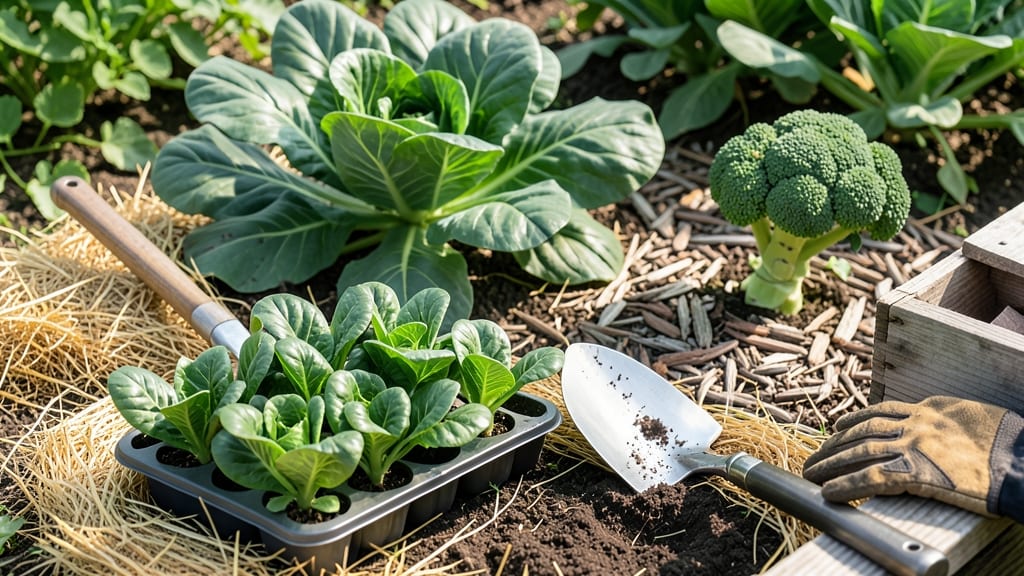
Planting a fall garden in Louisiana starts 4 to 6 weeks before your first frost — typically between mid-August and early October — to give your crops time to mature before the chill sets in.
Here’s the catch: Louisiana’s long, humid growing season doesn’t end with summer, but if you plant too late, your greens will bolt or your roots will rot in the lingering heat. The key is timing crops like collards, carrots, and kale to thrive in the 8a-9b zone’s mild autumn temperatures.
This guide breaks down the exact weeks to plant, the best humidity-resistant varieties for your region, and how to prep your soil for a longer harvest before the first frost hits in December.
You’ll learn which crops to start in August for a fall feast, how to extend the season with row covers, and the common mistakes that kill Louisiana gardens when the weather shifts.
Louisiana’s fall planting timeline: weeks before first frost & humidity-adapted crops
Louisiana’s humid subtropical climate means your fall garden can thrive longer than in colder regions—if you plant at the right time. The key is understanding your local frost dates (typically mid-November to December 1 across the state) and selecting humidity-resistant varieties that won’t succumb to fungal diseases.
Start planning now, because the 4-6 week window before first frost is your golden opportunity for a bountiful harvest.
For most of Louisiana (USDA zones 8a-9b), the best time to plant cool-season crops is between mid-August and late September. This gives plants enough time to establish roots before temperatures drop.
In northern Louisiana (like Shreveport), where frosts arrive earlier, aim for early August planting, while southern regions (New Orleans, Lafayette) can extend planting until mid-October.
Soil preparation is critical in Louisiana’s heavy, clay-rich soil. Before planting, amend your beds with 2-3 inches of compost and a balanced fertilizer (5-10-10) to replenish nutrients lost during summer.
Raised beds work exceptionally well for fall gardens, as they warm up faster in spring and drain better in our humid climate. Test your soil’s pH (ideal range: 6.0-6.8) and adjust with lime if needed.
Here’s your Louisiana-specific fall planting timeline, organized by crop type and humidity tolerance:
For leafy greens like collards and kale, I recommend starting seeds indoors in late July and transplanting outdoors in early August. These crops handle Louisiana’s humidity well but need good airflow to prevent fungal issues.
Space plants 12-18 inches apart and use mulch to retain moisture without creating soggy conditions.
When planting root vegetables like carrots and radishes, focus on well-draining soil to avoid the common Louisiana problem of forking carrots. Mix in sand or compost if your soil is heavy clay.
Radishes are a great quick-harvest crop—plant them in succession every 2 weeks from August through September for continuous harvests.
Don’t overlook herbs like basil and cilantro in your fall garden. These thrive in Louisiana’s warm fall weather and add fragrant, pest-repelling benefits to your garden. Basil, in particular, loves heat and humidity—perfect for our late-summer/early-fall conditions. Plant it near tomatoes to deter whiteflies, a common Louisiana pest.
To extend your harvest beyond the first frost, use row covers or cold frames. These simple tools can add 2-4 weeks to your growing season by trapping heat.
For extra protection, choose frost-hardy varieties like 'Winterbor' kale or 'Southern Exposure' collards, which can tolerate light frosts and even improve in flavor after a freeze.
Watering becomes trickier in fall as humidity rises. Morning watering is key to reducing fungal diseases like powdery mildew. Aim for 1-2 inches of water per week, but reduce frequency if rainfall exceeds this amount.
Let the top inch of soil dry between waterings to prevent root rot in our clay-heavy soils.
Remember, Louisiana’s fall garden is all about working with the climate, not against it. By choosing the right varieties, preparing your soil properly, and planting at the optimal times, you’ll enjoy a productive, disease-resistant garden that outlasts most northern gardens by weeks.
Start your seeds today, and you’ll be harvesting fresh
Top 5 fall crops for Louisiana gardens & how to extend their harvest
Fall in Louisiana means warm days and cooler nights—perfect for growing hardy greens and root vegetables that thrive in the 8a-9b climate zone. The key is planting the right crops at the right time to avoid early frost damage while maximizing your harvest before December.
These top 5 crops—collards, kale, mustard greens, carrots, and radishes—are proven winners in Louisiana gardens, especially when planted between mid-August and early October.
Why these crops? They’re humidity-tolerant, fast-growing, and can be extended into late fall with simple techniques like row covers and mulching. For example, collards and kale actually sweeten in cool weather, making them a Louisiana gardener’s dream.
Meanwhile, radishes and carrots mature quickly, giving you a harvest before the first frost hits around December 1st.
⚖️ Planting Timing: Pros & Cons for Louisiana Gardens
🌱 Mid-August Planting
Pros: Longer harvest window, ideal for slow growers like carrots and kale.
Cons: Requires consistent watering to prevent bolting in heat.
🍂 Early September Planting
Pros: Balances heat and cooling temps, perfect for leafy greens.
Cons: Shorter season for root crops like radishes.
🍁 Late September Planting
Pros: Fast-maturing crops like radishes and mustard greens thrive.
Cons: Risk of frost damage if planted too late.
Let’s start with collards, a Louisiana staple that loves the humid fall air. Plant seeds ¼ inch deep and space them 18 inches apart in rows 2 feet apart.
They’ll mature in 50-60 days, but you can start harvesting outer leaves as early as 40 days to keep the plant producing. For extended harvests, use floating row covers to protect from light frosts and even add a 2-inch layer of straw mulch to insulate roots.
Next, kale and mustard greens are powerhouses in Louisiana’s fall garden. Both love full sun to partial shade and well-draining soil. Sow seeds ½ inch deep with 12-inch spacing between plants. Mustard greens mature in just 30-40 days, while kale takes 50-60 days.
To extend their season, harvest leaves from the bottom and use low tunnels to trap warmth. These greens taste sweeter after a light frost, so don’t rush to harvest!
For root crops, carrots and radishes are must-haves. Carrots need loose, sandy soil to prevent forking, so amend your beds with compost and coarse sand. Plant seeds ½ inch deep in rows 12 inches apart and thin seedlings to 3 inches apart.
Radishes, on the other hand, grow fast—just 25-30 days—so plant them every 2 weeks for a continuous harvest. Both crops benefit from drip irrigation to keep soil evenly moist. To extend their season, cover with row fabric when temps drop below 40°F.
Finally, don’t forget about succession planting! In Louisiana, you can squeeze in 2-3 harvests of radishes or mustard greens by planting new seeds every 2 weeks until early October. This ensures you always have fresh greens on the table.
For long-term storage, harvest collards and kale before hard frosts and store them in the crisper drawer of your fridge for up to 2 weeks. With these techniques, your fall garden can keep producing well into December!