
Plants
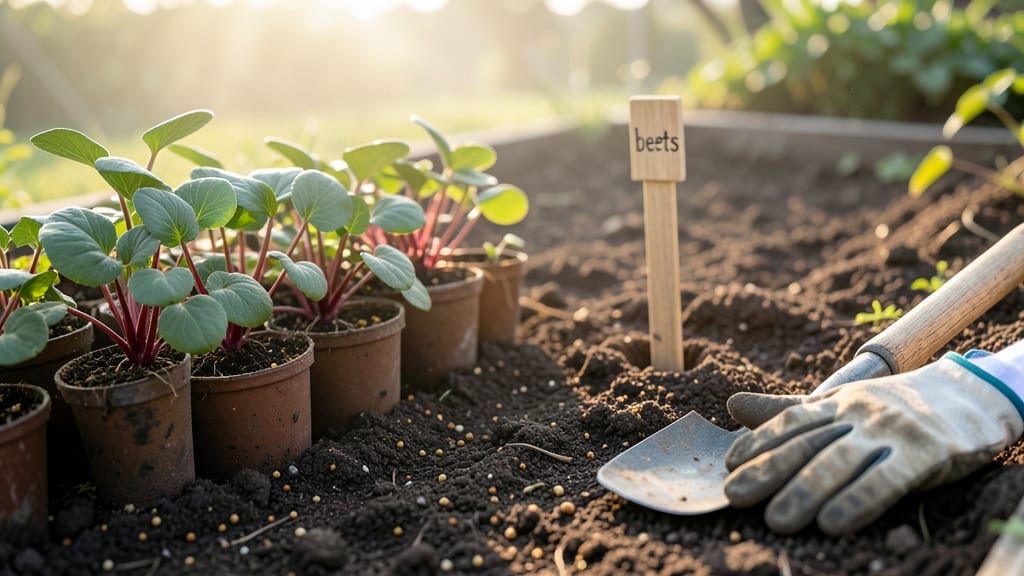
To plant fall beets in Zone 7, aim for 6-8 weeks before your first frost—typically late August to early September—for tender, sweet roots that thrive in cooler weather.
Miss that window, and you’ll either face bitter greens or a failed harvest. I’ve planted beets too late, only to watch them bolt in the heat or rot before winter.
The key is knowing exactly when to get seeds in the ground for a harvest that lasts from fall to early winter.
Zone 7’s mild climate gives you flexibility, but timing matters more than you might think. Plant too early, and your beets 🍠 may turn woody; too late, and frost will ruin your crop before it matures. Here’s how to pinpoint the perfect weeks for a foolproof fall harvest.
You’ll learn the ideal planting dates, soil prep secrets, and how to adjust for your specific microclimate—plus the best beet varieties for fall’s cooler days. Let’s get those seeds in the ground at the right time!
Zone 7 fall beet planting timeline: weeks before frost for perfect harvests
Fall beets in Zone 7 thrive when planted strategically—about 6-8 weeks before your first frost (typically mid-September to early October). This timing ensures roots mature before cold sets in, delivering sweeter, tender harvests. Cool fall temperatures actually enhance beet flavor, making late-summer planting a gardener’s secret weapon.
Your first frost date in Zone 7 usually lands around October 15. Count backward 60-70 days (beets’ maturity time) to land on your ideal planting window. Early plantings (late July) give you a longer harvest window, while late plantings (early September) produce smaller but sweeter roots before frost.
Here’s the key: Soil temperatures below 80°F trigger better root development. Aim to plant when daytime highs drop to 75°F or lower. This usually happens in late August for most of Zone 7, but microclimates (like urban heat islands) may shift your timeline by a week or two.
For early plantings (late July), choose heat-tolerant varieties like Detroit Dark Red or Boltardy. These handle summer heat better and still produce quality roots. If you’re planting in mid-August, opt for Golden Beets or Chioggia—their sweeter flavor shines in cooler weather.
Pro tip: Mulch heavily after planting to stabilize soil temps and retain moisture. Use straw or black plastic mulch to keep roots cool and prevent bolting (the plant’s way of flowering prematurely). This is especially critical if your September temps spike unexpectedly.
If you’re unsure about your frost date, check your local Cooperative Extension Service or use a frost calendar app. Zone 7 spans a wide range of microclimates—even a 5-mile difference can shift your frost date by a week. For example, Atlanta (7b) frosts later than Charlottesville (7a).
Always plant 1-2 inches deep and thin seedlings to 3-4 inches apart once they’re 2 inches tall. This spacing prevents overcrowding, which leads to small, misshapen roots. Water consistently—1 inch per week—to encourage steady growth without stress.
Harvest beets when roots reach 1-3 inches in diameter and before hard frosts blacken the greens. For a continuous harvest, stagger plantings every 2 weeks from late July through early September. This ensures you’re always pulling fresh, tender beets from the garden.
How to adjust planting dates for sweeter fall beets in Zone 7
Fall beets in Zone 7 develop their signature sweetness when grown in cooler temperatures—50-65°F—but hitting the right planting window is key. I’ve found that late August to mid-September gives my beets the perfect balance of time to mature before frost while avoiding the heat stress of summer.
The trick is adjusting for your specific first frost date, which can vary by 1-2 weeks even within Zone 7.
For example, if your first frost arrives October 15th, aim to plant 6-8 weeks prior—around September 1st. But if you’re in a cooler microclimate with frost by October 1st, shift your planting to mid-August.
This flexibility ensures your beets reach harvest size before winter sets in.
⚠️ numbered highlights ⚠️
- 1. Start 6-8 weeks before frost — Plant late August for early October frost or mid-September for mid-October frost.
- Use black plastic mulch — Warms soil by 5-10°F, extending the planting window by 2-3 weeks in cooler microclimates.
- Choose fast-maturing varieties — Detroit Dark Red (58 days) or Golden (55 days) outperform slower types in short fall seasons.
- Succession plant every 2 weeks — Stagger sowings to harvest continuously until frost, avoiding a single overwhelming harvest.
- Avoid planting after September 20th — Beets sown too late risk bolting or poor root development before cold snaps.
Soil temperature plays a bigger role than air temperature for fall beets. I test soil warmth with a soil thermometer—aim for 60°F or above at planting time. If your soil runs cooler, try black plastic mulch or a cold frame to jumpstart germination.
Warmer soil also prevents the "hardening" of roots, keeping them tender and sweet.
Variety selection can make or break your fall harvest. Detroit Dark Red is my go-to for its deep sweetness and 60-day maturity, but Golden varieties like Burpee’s Golden mature even faster (55 days) and thrive in shorter seasons.
For extended harvests, mix both—plant Detroit first for late fall and Golden later for early winter harvests.
Don’t forget about succession planting—this is how I’ve stretched my beet harvest from October to December in Zone 7. Sow new seeds every 2 weeks starting in early August, and you’ll have a steady supply of fresh beets without overcrowding your garden.
Just be sure to thin seedlings to 3-4 inches apart to prevent competition.
Finally, watch for bolting signs—long stems and bitter greens—as temperatures drop below 50°F. If this happens, harvest the greens first (they’re edible!) and pull the roots before they become woody.
With these adjustments, you’ll enjoy sweeter, more tender beets than any spring crop—plus a harvest that lasts well into winter! 🍠