
Plants
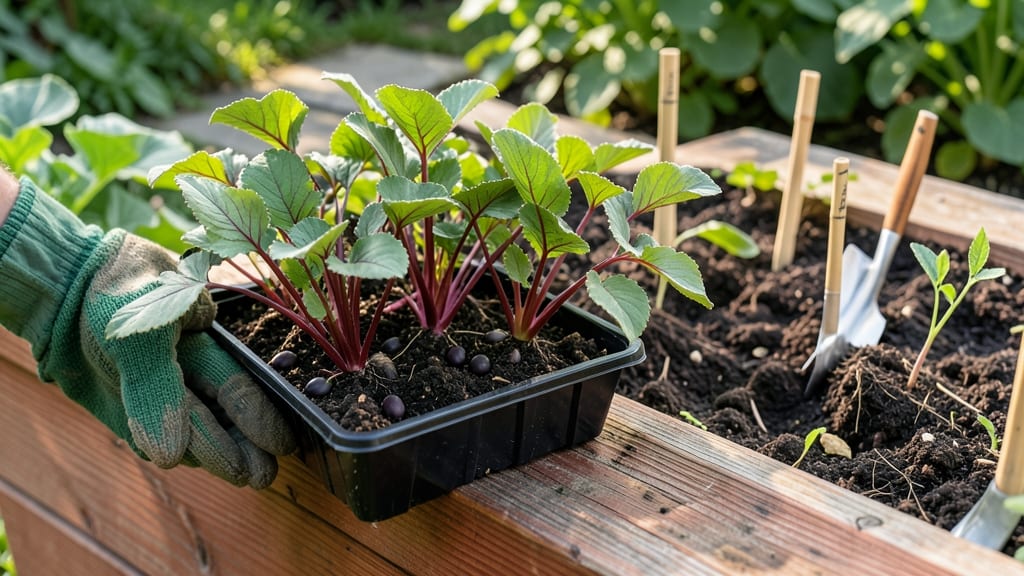
Planting beets in Zone 5b at the right time ensures tender, sweet roots instead of tough, woody ones—here’s the exact window to aim for.
Timing your beet harvest in Zone 5b can mean the difference between success and disappointment. Too early, and a late frost will wipe out your seedlings. Too late, and the heat arrives before the roots mature, leaving you with bitter greens and underwhelming harvests.
In this guide, I’ll break down the two ideal planting windows for your climate—spring and fall—along with frost dates, soil prep tips, and spacing tricks to maximize your yield.
You’ll also learn how to adjust for fast- and slow-growing varieties, avoid common mistakes, and even try succession planting for a continuous supply of fresh 🍠 all season long.
Zone 5b beet planting calendar: exact weeks for spring & fall success
Mastering the Zone 5b beet planting calendar ensures you avoid the two biggest beet-growing mistakes: planting too early (risking frost damage) or too late (triggering bolting). In my experience, beets thrive when soil temperatures hit 45°F consistently, which typically aligns with late March to early April for spring plantings.
The key is working with your last frost date—usually mid-to-late April in Zone 5b—while giving young seedlings enough time to mature before summer heat sets in.
For fall harvests, I focus on late July to early August plantings, allowing beets to mature before the first frost hits around mid-to-late October. This timing gives you a second harvest window with equally tender roots.
The trick is balancing soil warmth (ideal: 60-70°F) with daylight hours, which shorten in fall and can accelerate bolting if planting is delayed.
Here’s my Zone 5b beet planting calendar broken down by week, including soil temperature thresholds and frost risk factors:
I’ve found that succession planting every 2 weeks from April through July extends my harvest window dramatically. For example, my first spring batch (planted April 5) yields beets by mid-June, while a second planting (May 10) gives me roots through July.
This strategy works because beets mature in 55-70 days, and Zone 5b’s growing season is long enough to support multiple cycles.
One critical adjustment for Zone 5b gardeners is accounting for soil warming. I test soil temperature with a soil thermometer—if it’s below 50°F, seeds may rot.
In cooler springs, I opt for cold-hardy varieties like Detroit Dark Red or Golden, which tolerate 45°F soils better than Chioggia or Bull’s Blood. For fall, I prioritize fast-maturing varieties (e.g., Early Wonder) to avoid bolting before frost.
Don’t overlook microclimate factors—my south-facing beds warm 5-7°F faster than north-facing ones. I plant north-facing areas 1-2 weeks later to align with soil temperature thresholds. Additionally, I’ve learned that mulching with straw after planting keeps soil temperatures stable, reducing the risk of uneven germination during temperature swings.
For container growing in Zone 5b, I shift my timeline 2 weeks earlier because pots warm faster. My 5-gallon containers hit ideal temperatures by mid-March, while in-ground soil lags until late March. I also use black plastic mulch to accelerate soil warming by 10-15°F in spring plantings.
Pro tip: Mark your calendar for June 20 and September 20—these dates align with the summer sol
How to adjust planting for early/fast vs. late/slow varieties in Zone 5b
Not all beet varieties grow at the same pace, and in Zone 5b, this difference can make or break your harvest. Fast growers like Detroit Dark Red bolt quickly in heat, while slower varieties like Chioggia need more time to mature.
Matching your variety to the right planting window is key to avoiding bitter, tough roots.
In my experience, early varieties (like Boltardy) are best planted in late March to early April, while late varieties (like Golden) thrive with a July planting. The goal is to harvest before heat stress or frost sets in—especially critical in Zone 5b’s 150-day frost-free season.
| Variety Type | Days to Maturity | Best Planting Window | Bolting Risk | Zone 5b Notes |
|---|---|---|---|---|
| Early/Fast | 45-55 days | Late March–Early April | High in heat | Plant ASAP after last frost. Use row covers if nights stay chilly. |
| Mid-Season | 55-65 days | Early April–Late April | Moderate | Ideal for succession planting. Harvest before July heat. |
| Late/Slow | 65-75 days | July–Early August | Low (if planted early enough) | Avoid planting after mid-August—roots won’t mature before frost. |
For Detroit Dark Red, a fast grower, I plant in late March to ensure harvest by early June before bolting kicks in. This variety’s 45-55 day maturity makes it perfect for early spring, but I always keep an eye on soil temps—50°F+ is ideal for germination.
On the other hand, Chioggia, with its striped roots and 65-75 day maturity, needs a later start. I wait until early July to plant, aiming for a September-October harvest before the first frost. The trade-off? More time for pests or heat stress, so I monitor closely.
Pro tip: If you’re unsure about your variety’s speed, check the seed packet for days to maturity. Subtract this from your last frost date (mid-October in Zone 5b) to calculate your latest planting window. For example, a 60-day variety must be in the ground by early August.
Finally, don’t overlook succession planting. Sow a new row every 2 weeks in spring for a staggered harvest. This works especially well with mid-season varieties, giving you beets from June through September without gaps.