
Plants
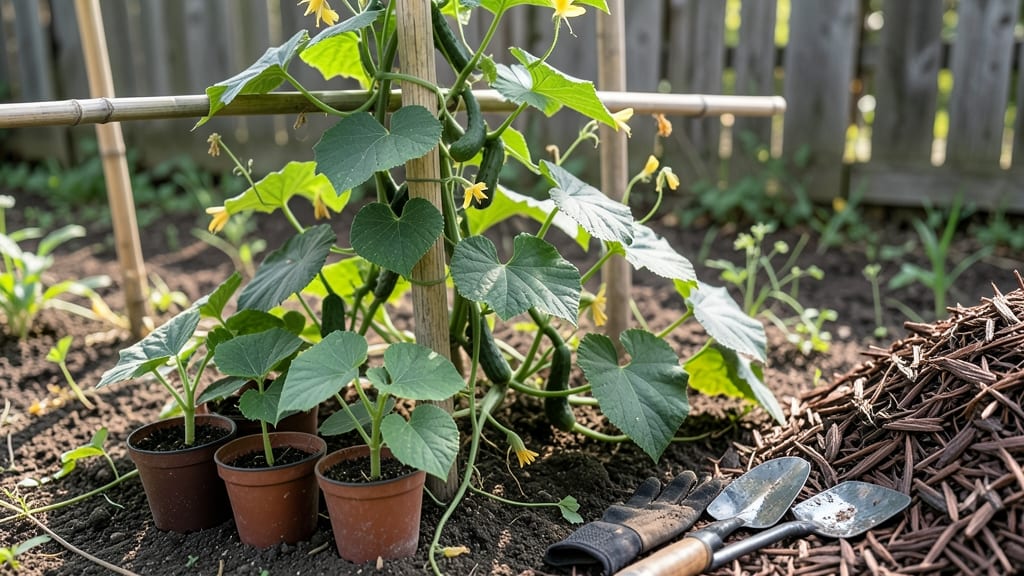
Planting cucumbers in East Tennessee after the last frost date—typically mid-April but varying by microclimate—sets the stage for a high-yield harvest or a frustrating wait.
Timing matters more than you might think. In the Smoky Mountains, late frosts can linger into May, while Knoxville’s valleys may warm enough by early April. Miss the window, and you’re stuck with stunted vines or no fruit at all—something I’ve learned the hard way.
This guide breaks down the exact dates for your specific zone, soil prep tricks to speed up germination, and how to adjust for heat waves or unexpected cold snaps. No more guessing whether your 🥒 cucumbers will thrive or flop.
By the end, you’ll know when to plant, how to protect seedlings, and the one mulch hack that adds 10+ days to your growing season—even in East Tennessee’s unpredictable spring.
East Tennessee cucumber planting dates by microclimate zone
East Tennessee’s diverse geography—from the Appalachian Mountains to the Cumberland Plateau—creates wildly different planting conditions for cucumbers. While valley regions like Knoxville often see last frosts by April 15, high-elevation areas like Gatlinburg can experience frost as late as May 10.
Understanding your microclimate zone ensures you plant cucumbers at the perfect time for germination success and fruit production.
Cucumbers thrive when soil temperatures stay above 50°F for germination, but they won’t tolerate frost. In East Tennessee, this means waiting until after the average last frost date—which can vary by 2-3 weeks across regions.
Below, I’ve broken down the ideal planting windows for three key microclimates: mountain regions (USDA 6a), foothills (USDA 6b-7a), and valleys (USDA 7b), along with soil temperature benchmarks.
| Microclimate | USDA Zone | Last Frost Date | Soil Temp for Germination | Ideal Planting Window | Succession Planting |
|---|---|---|---|---|---|
| Mountain Regions (e.g., Gatlinburg, Townsend) | 6a | May 10 - May 20 | 55°F+ (warmer soil needed) | May 20 - June 5 | June 15 - July 1 (1-2 batches) |
| Foothills (e.g., Sevierville, Pigeon Forge) | 6b-7a | April 25 - May 5 | 50°F+ (standard germination) | May 1 - May 15 | May 30 - June 15 (2 batches) |
| Valleys (e.g., Knoxville, Chattanooga) | 7b | April 1 - April 15 | 50°F+ (earliest possible) | April 15 - May 1 | June 1 - June 10 (1 batch) |
For mountain gardeners, patience is key—soil in high elevations often stays cool longer. Use black plastic mulch or row covers to warm soil faster and plant cold-hardy varieties like 'Northern Pickling' if you’re eager for an early start.
In foothill areas, you’ll have a slightly longer window, but late frosts can still sneak in, so monitor local frost alerts.
Valley regions like Knoxville offer the earliest planting opportunities, but don’t rush—soil temperatures below 50°F will delay germination. Test your soil with a soil thermometer (available at garden centers for ~$10) to confirm readiness. Aim for 60°F+ for fastest sprouting, especially if you’re using direct-sown seeds.
If you’re unsure about your exact microclimate, check the Tennessee State University Extension frost maps or use the National Weather Service’s climate tool. These resources provide hyper-local frost data that can shift planting dates by 1-2 weeks.
For example, Johnson City (USDA 7a) typically aligns with foothill timelines, while Bristol (USDA 6b) leans closer to mountain conditions.
Pro tip: Start seeds indoors 3-4 weeks before your target outdoor date if you’re in a cooler microclimate. Use biodegradable pots to avoid transplant shock when moving seedlings outdoors. This strategy lets you extend your harvest window by 2-3 weeks, especially in mountain zones where summers are shorter.
Once planted, cucumbers need consistent moisture and full sun (6+ hours daily). In East Tennessee’s humid climate, mulching with straw helps retain soil moisture and prevents powdery mildew, a common issue when nights stay damp. Water at the base of plants in the morning to reduce fungal risks.
Remember: late summer heat can stress cucumbers, so plan for succession planting in July for a fall harvest. By spacing out plantings, you’ll enjoy cucumbers from June through September, even in the shortest growing seasons. Happy planting! 🥒🌱
How to adjust planting dates for your specific location
East Tennessee’s microclimates can shift planting windows by 3-4 weeks—so don’t rely on a one-size-fits-all date. I’ve learned this the hard way after watching cucumber seedlings wilt in a late frost one year, while my neighbor’s plants thrived just a few miles away.
The key? Adjusting for elevation, soil warmth, and local frost patterns.
Start by checking your last frost date (typically April 15 in valleys but May 1 in higher elevations). Then, factor in soil temperature—cucumbers need 60°F+ soil to germinate.
Use a soil thermometer for accuracy, especially if your spring feels unusually chilly. Even if the air warms, cold soil delays growth.
Here’s how to fine-tune your schedule based on your specific conditions:
- 1. Check local frost alerts—sign up for NOAA frost warnings or use apps like PlantMap to track real-time updates. In the Smoky Mountains, wait until May 10 at the earliest.
- 2. Test soil temperature—plant only when soil hits 60°F+. Use black plastic mulch 1-2 weeks before planting to warm soil faster (this adds 7-10 days to your window).
- 3. Start cold-hardy varieties indoors—like 'Straight Eight' or 'Lemon' cucumbers—4-6 weeks before your last frost. Transplant seedlings when they’re 2-3 inches tall and soil is warm.
- 4. Use succession planting—sow a second batch 2-3 weeks after your first planting. This stretches harvests from June through September, even in shorter seasons.
- 5. Adjust for heat waves—if temps hit 90°F+, delay planting until late May. Use shade cloth (30-50%) to protect seedlings during extreme heat.
Don’t overlook moisture levels during planting. Cucumbers need consistent water, so prepare raised beds or in-ground plots with organic compost to retain humidity. If your soil drains too quickly, mix in peat moss or coconut coir to hold moisture.
For extended harvests, try succession planting every 2 weeks after your initial date. This ensures a steady supply even if the first batch faces powdery mildew (common in East Tennessee’s humidity). Space plants 12-24 inches apart to improve airflow and reduce disease risk.
Finally, keep an eye on local weather forecasts. If a late frost is predicted, cover seedlings with frost cloth or a row cover. With these adjustments, you’ll avoid the heartbreak of wasted seedlings and enjoy cucumbers straight from your garden all summer long. 🥒