
Plants
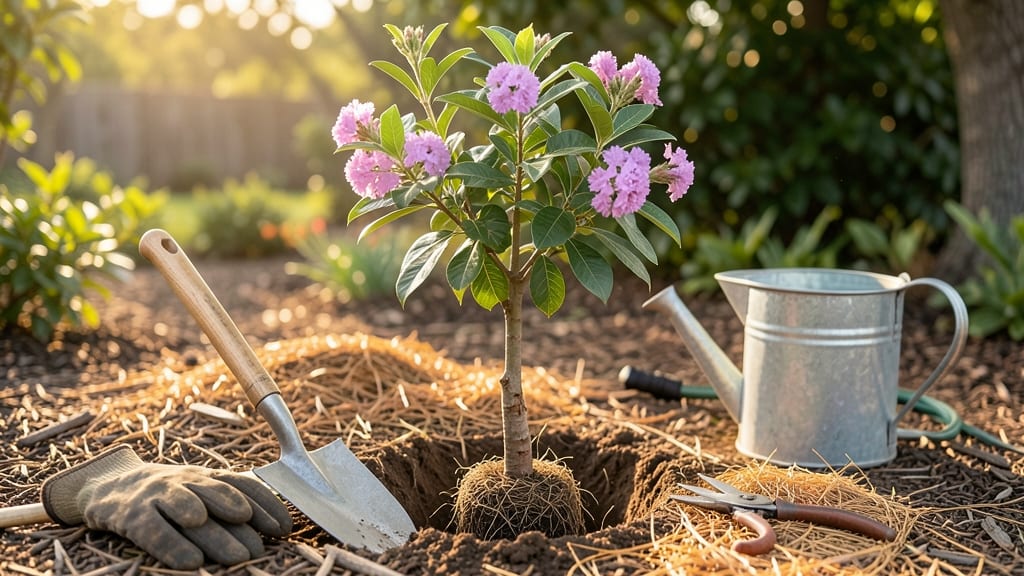
Planting crepe myrtles in North Carolina at the right time ensures those stunning blooms 🌸 every summer — and missing the window can leave your tree struggling for years.
North Carolina’s warm climate is perfect for crepe myrtles, but timing matters more than you might think. Plant too early, and frost will damage tender roots; too late, and heat stress can set in before the tree establishes.
The sweet spot? Late winter to early spring after your last frost date, typically around mid-March for most of the state.
This guide breaks down the best months by region—whether you’re in the Coastal Plain, Piedmont, or Mountains—along with soil prep tips and frost precautions to give your crepe myrtle the strongest start. No more guessing: just vibrant, long-lasting blooms year after year.
You’ll also discover how to tell if your soil is ready, when container planting makes sense, and the one mistake even experienced gardeners make with timing. Let’s get those roots in the ground the right way.
Best planting months for crepe myrtles in North Carolina by region
North Carolina’s diverse climate means crepe myrtles thrive differently across regions—from the humid Coastal Plain to the cooler Mountains. Planting at the wrong time can stunt growth or even kill your tree, so knowing the exact window for your area is critical.
Let’s break down the best months for each region, including USDA zones 6a-8b and ideal soil temperatures for root establishment.
Crepe myrtles prefer 60-70°F soil temperatures for root growth, which varies by region. In the Coastal Plain (Zones 7b-8b), you can plant as early as February, while in the Mountains (Zones 6a-7a), wait until April to avoid frost damage.
Fall planting is also an option, but timing is tighter—aim for September-October before the first frost.
Why timing matters: Planting too early exposes roots to frost, while planting too late delays establishment. Crepe myrtles need 4-6 weeks to root before winter, so adjust your schedule based on your region’s last frost date. For example, Asheville (Zone 7a) has a later frost date than Wilmington (Zone 8a), so its planting window shifts accordingly.
Regional frost-free days also play a role: Coastal areas enjoy 240+ frost-free days, while the Mountains see 180-200 days. This affects when you can safely plant and whether fall planting is viable. Let’s dive into the specifics for each region to help you pick the perfect time.
🌸
| Region | USDA Zones | Best Spring Months | Best Fall Months | Soil Temp for Planting | Last Frost Date |
|---|---|---|---|---|---|
| Coastal Plain | 7b-8b | February-March | September-October | 60-70°F | Mid-March |
| Piedmont | 7a-7b | March-April | Late August-September | 60-70°F | Late March |
| Mountains | 6a-7a | April-May | Early September | 65-70°F | Mid-April |
In the Coastal Plain, where winters are milder, you can start planting crepe myrtles as early as late February. This region’s USDA Zones 7b-8b offer a longer growing season, so fall planting is also flexible until October.
The key is ensuring soil temperatures stay above 60°F to prevent root shock.
For Piedmont gardeners (Zones 7a-7b), aim for March-April planting. This region’s last frost date typically falls around late March, so waiting until then ensures your crepe myrtle avoids frost damage. Fall planting here should wrap up by late September to allow roots to establish before winter.
The Mountains (Zones 6a-7a) have the latest planting window due to cooler temperatures. Plant in April-May to align with the region’s mid-April last frost date. Fall planting is limited to early September, as frost can arrive as early as October.
Always check local frost dates—your county extension office is a great resource!
Pro tip: If you’re in a transition zone (e.g., Zone 7a), err on the side of planting later rather than earlier. A 1-2 week delay can save your tree from frost damage.
For example, if your area has a history of late frosts, hold off until mid-April instead of early March.
Container planting is another option if your region’s timing is tight. Smaller crepe myrtles in 5-gallon pots can be planted 2-3 weeks later than bare-root trees, as their root balls are less vulnerable to cold. Just be sure to harden them off for 10-14 days before transplanting.
Once planted, mulch around the base to retain soil warmth and protect roots. Use 3-4 inches of organic mulch, like pine straw or wood chips, and keep it 6 inches away from the trunk to prevent rot.
This extra layer of care ensures your crepe myrtle thrives no matter when you plant it.
🌿
How to prepare for planting: soil, location, and timing tips
Before planting your crepe myrtle, focus on three critical factors: soil quality, sun exposure, and seasonal timing. Crepe myrtles thrive in well-draining soil with a slightly acidic to neutral pH (6.1-7.5).
Test your soil using a simple pH test kit available at garden centers. If your soil is too dense, amend it with compost or sand to improve drainage and aeration.
Choose a location that receives full sun (6-8+ hours daily). Crepe myrtles bloom best in bright, open spaces without shade from other trees or structures. Avoid planting near foundation walls or in low-lying areas where cold air settles, as frost can damage young roots.
A south- or west-facing spot is ideal for maximizing sunlight exposure.
Timing is everything for crepe myrtles in North Carolina. The optimal planting window is late winter to early spring, after the last frost date, typically around mid-March for most regions.
This gives roots time to establish before summer heat stress. Alternatively, you can plant in early fall (September), allowing roots to settle before winter dormancy.
⚠️ callout warning
⚠️ Critical Timing Mistake in NC
Planting crepe myrtles before late February risks frost damage to tender roots. Even in USDA Zone 8b, unexpected late frosts can occur. Wait until soil temperatures reach at least 60°F (test with a soil thermometer) before planting. In mountain regions, delay until mid-April to avoid early spring freezes.
Prepare your planting hole by digging it twice as wide as the root ball but only as deep. Loosen the sides of the hole to encourage root spread. If your soil is clay-heavy, mix in organic matter like compost or aged manure to improve structure.
Gently remove the crepe myrtle from its container and loosen any circling roots before placing it in the hole.
Water deeply immediately after planting to settle the soil and eliminate air pockets around the roots. Mulch the base of the tree with 2-3 inches of organic mulch (like pine straw or wood chips) to retain moisture and regulate soil temperature.
Keep mulch away from the trunk to prevent rot. For the first 6-8 weeks, water weekly to ensure the tree establishes strong roots.
Monitor your crepe myrtle for signs of stress, such as yellowing leaves or wilting, which may indicate overwatering or poor drainage. Adjust your care routine based on your region’s climate.
In drought-prone areas like the Coastal Plain, deep watering every 10-14 days is sufficient once established. In humid Piedmont regions, ensure good airflow to prevent fungal diseases.