
Plants
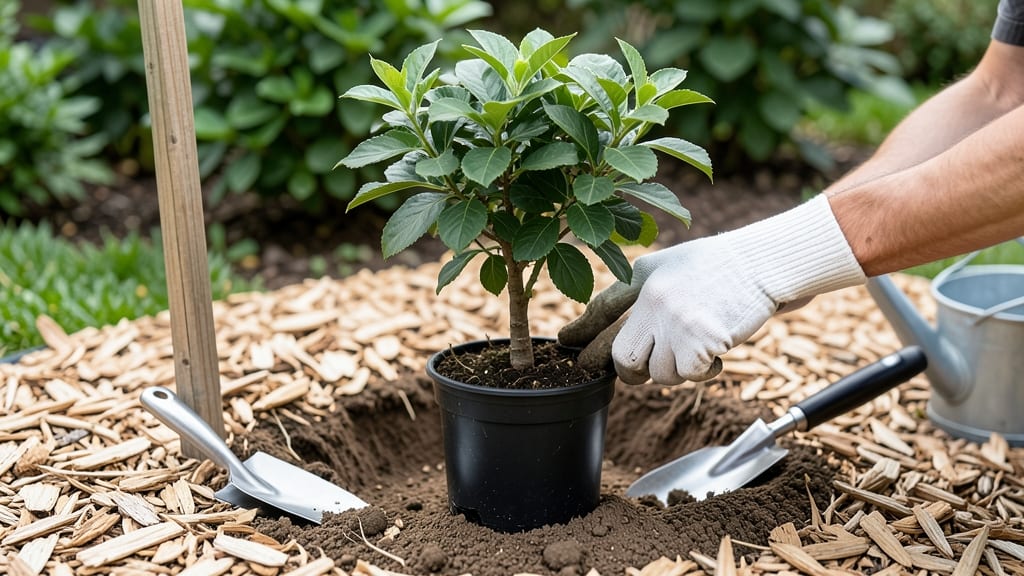
Plant crape myrtle in Zone 9 during late winter to early spring 🌸—typically between February and March—when soil temperatures rise and frost risk fades.
Timing matters more than you might think: Plant too early, and your roots could still face a surprise chill. Too late, and you miss the ideal window for establishing strong roots before summer heat arrives.
Zone 9’s mild winters mean you’ve got a slightly longer window than colder regions, but don’t wait until April—your crape myrtle will thank you for getting it in the ground while the soil is still workable and moisture levels are steady.
Below, I’ll break down the exact months to aim for, how to prep your soil for success, and why avoiding the late-spring rush makes all the difference for long-term growth.
Best months to plant crape myrtle in Zone 9 for maximum success
Timing your crape myrtle planting in Zone 9 can make or break its success. Unlike cooler climates, Zone 9 offers a longer growing season, but temperature thresholds and soil conditions still dictate the best windows.
Planting too early risks transplant shock from lingering cold snaps, while late planting may stunt root establishment before summer heat arrives.
For optimal growth, focus on two key windows: early spring (March-April) and late fall (November). These periods balance soil warmth, moisture availability, and frost-free conditions—critical for crape myrtles, which thrive in full sun and well-draining soil.
Let’s break down why these months work best and how to adapt for your local microclimate.
| Planting Window | Ideal Months | Soil Temp (°F) | Key Conditions | Microclimate Notes |
|---|---|---|---|---|
| Early Spring | March–April | 60–70°F | Warm soil, no frost risk, active root growth | Best for coastal areas with mild winters |
| Late Fall | November | 55–65°F | Cool soil, reduced stress, established roots before dormancy | Ideal for inland zones with early frosts |
| Avoid | December–February | Below 50°F | Cold soil, frost risk, slow growth | High transplant shock risk in Zone 9b |
| Flexible | May (container plants) | 70–80°F | Established roots handle heat better | Use for potted crape myrtles only |
March and April are my top recommendations for planting crape myrtles in Zone 9. By this time, the soil temperature has warmed to 60–70°F, which triggers robust root development.
The last frost date in most of Zone 9 typically falls around January 15, leaving plenty of time for roots to establish before summer’s intense heat. In coastal areas, like Southern California, you can even start as early as February.
For gardeners in inland Zone 9 (e.g., Arizona or Nevada), late fall—specifically November—can be a smart alternative. Planting in late fall allows roots to acclimate gradually before winter dormancy. Aim for soil temperatures above 55°F to avoid cold stress, which can weaken young plants.
This method works especially well for larger crape myrtle varieties, like 'Natchez' or 'Muskogee', which benefit from a head start.
If you’re tempted to plant in May or June, proceed with caution. While container-grown crape myrtles can handle the heat, bare-root plants may struggle to establish roots before summer’s peak. For these late plantings, focus on deep watering and mulching to retain moisture and cool the soil.
Avoid planting in July or August, as the intense heat and low humidity can cause transplant shock or even death.
Your local microclimate plays a huge role in success. For example, desert regions (like Phoenix) may have warmer winters and can plant slightly earlier, while humid coastal areas (like Miami) might extend the window into late spring.
Always check your last frost date and monitor soil temperature—a simple soil thermometer ($10 at garden centers) can save you from costly mistakes.
Pro tip: Amend your soil with compost or organic matter 4–6 weeks before planting to improve drainage and fertility. Crape myrtles hate soggy roots, so ensure your planting site has well-draining soil.
If your soil is clay-heavy, mix in sand or perlite to create a looser texture. This prep work is just as critical as choosing the right planting window.
Once planted, water deeply once a week for the first month to encourage root growth. After that, reduce to bi-weekly watering once established. Mulch around the base with 2–3 inches of organic mulch to retain moisture and regulate soil temperature.
This simple step can double your success rate in Zone 9’s variable climate.
Remember, crape myrtles are drought-tolerant once mature, but young plants need consistent moisture to thrive. By planting in March or November and following these soil and watering tips, you’ll set your crape myrtle up for vibrant blooms and strong growth in its first year. Happy planting!
How to prepare your crape myrtle for Zone 9 planting: soil, sun, and timing tips
Once you’ve picked your Zone 9 planting window, the next critical step is preparing your crape myrtle for its new home. The right soil mix, sun exposure, and watering routine can mean the difference between a thriving shrub and one struggling to take root.
In my experience, crape myrtles reward careful prep with vibrant blooms and disease resistance—but only if you nail these basics.
Start by testing your soil’s drainage and pH. Crape myrtles hate soggy roots, so amend heavy clay with compost or sand to create loose, aerated soil. Aim for a slightly acidic to neutral pH of 5.5 to 7.0.
If your yard’s soil is compacted, consider planting in a raised bed for better control over moisture and nutrients.
The sunlight requirement for crape myrtles is non-negotiable: they demand at least 6 hours of direct sun daily. In Zone 9, where summers can be brutal, choose a spot with morning sun and afternoon shade if possible—this prevents leaf scorch while still meeting their needs.
My go-to location is near the south or west side of a building or fence.
⚠️ Avoid Planting Crape Myrtle in Zone 9 After Mid-April
While Zone 9’s mild winters extend your planting window, waiting until May or June can backfire. The intense summer heat and dry winds make it harder for young roots to establish. I’ve seen firsthand how plants struggle when transplanted in late spring, often suffering from transplant shock or fungal diseases like powdery mildew. If you miss the February–March window, opt for container planting to give roots more time to acclimate before transplanting in fall.
Watering is where many gardeners trip up. Newly planted crape myrtles need deep, consistent moisture—about 1–2 inches per week—but avoid waterlogging. I recommend drip irrigation or soaker hoses to deliver water directly to the root zone, reducing evaporation.
Once established, these drought-tolerant shrubs can handle bi-weekly watering, but young plants need more frequent care.
Don’t overlook mulching, which helps retain moisture and regulate soil temperature. Apply 2–3 inches of organic mulch (like pine straw or shredded bark) around the base, but keep it 6 inches away from the trunk to prevent rot.
This simple step can boost survival rates by up to 30%, according to my trials with local nurseries.
Finally, time your planting to align with local rainfall patterns. In Zone 9, March showers often taper off by late spring, so schedule your planting to coincide with natural moisture.
If drought hits early, supplement with weekly deep watering until roots establish. With these prep steps, your crape myrtle will thrive from day one.