
Plants
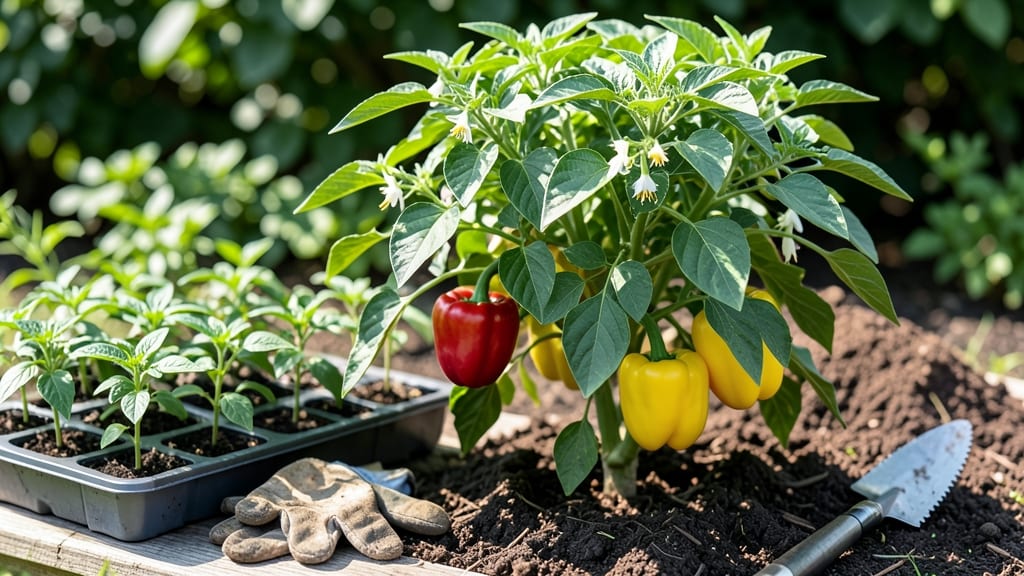
Planting bell peppers in Southern California at the right time means the difference between a bumper crop of sweet, juicy 🌶️ peppers and a sad, stunted harvest.
You might assume that since we rarely see frost, you can plant anytime—but that’s a recipe for heat stress and bitter fruit. The key is understanding your microclimate zone, whether you’re near the coast or inland, and when to start seeds versus transplanting.
In coastal areas, the optimal window stretches from late February to early April, while inland zones can wait until March or even early April. This guide breaks down the exact timing for your specific zone, plus how to extend your harvest season and avoid common pitfalls.
Discover how to time your planting for maximum yield, which varieties perform best in SoCal heat, and when to fertilize and water for peak productivity.
Best planting months for bell peppers in Southern California by zone
Southern California’s diverse microclimates create three distinct planting zones for bell peppers: coastal, inland, and desert. Each zone has unique temperature thresholds and heat tolerance requirements, especially for sweet vs. hot pepper varieties.
Planting at the wrong time can lead to blossom drop, stunted growth, or even crop failure.
Coastal areas like Santa Barbara and San Diego enjoy milder winters, while inland valleys such as San Fernando and Riverside experience hotter summers. Desert regions like Palm Springs and Coachella demand early planting to avoid extreme heat stress. Understanding these differences ensures your peppers thrive year-round.
Here’s a breakdown of the optimal planting windows for each zone, including soil temperature requirements and heat tolerance tips for sweet (e.g., 'Sweet Banana') vs. hot peppers (e.g., 'Jalapeño').
For coastal zones, aim to plant transplants in February–March to avoid cool coastal fog, which can delay germination. Sweet peppers like 'Sweet Banana' thrive here but may need shade cloth during summer heatwaves.
Hot peppers like 'Jalapeño' handle coastal conditions well but require well-draining soil to prevent root rot.
In inland valleys, where summers reach 100°F+, plant transplants in March–April and seeds in May–June for a fall harvest. Varieties like 'NuMex Sweetie' are heat-tolerant but benefit from mulching to retain moisture.
Hot peppers such as 'Habanero' can handle the heat but may produce smaller yields if stressed.
Desert regions demand early planting to escape extreme summer heat. Plant transplants in January–February and seeds in March for a spring harvest. Heat-tolerant varieties like 'Desert Sun' are ideal, but provide afternoon shade during peak temperatures to prevent blossom end rot.
Regardless of zone, always test soil temperature before planting—bell peppers need consistent warmth to germinate and grow. Use a soil thermometer to confirm temperatures meet the 60–75°F range for your zone. If soil is too cool, wait or use black plastic mulch to warm it faster.
For extended harvests, try succession planting every 2–3 weeks in coastal and inland zones. This ensures a steady supply of peppers from spring to fall. In desert areas, focus on heat-tolerant hybrids like 'NuMex Rojo' to maximize yields during shorter growing seasons.
Pro tip: Hardening off transplants is critical in Southern California’s variable microclimates. Acclimate seedlings to outdoor conditions over 7–10 days before planting to reduce transplant shock. This step is especially important for desert and inland zones, where temperature swings can stress young plants.
Finally, monitor humidity levels—coastal areas may need less frequent watering due to high humidity, while desert zones require deep, infrequ
How to adjust planting timing for early vs. late varieties
Southern California’s unpredictable summers make planting timing critical for bell peppers. Early varieties like ‘Early California Wonder’ mature quickly but need cooler spring soil, while late varieties such as ‘NuMex Heritage’ handle summer heat better. Your choice depends on your microclimate and desired harvest window.
Coastal gardeners can start transplants in late February for early varieties, while inland areas should wait until March or April to avoid heat stress. For late varieties, succession planting in May or June extends harvests into fall, when temperatures dip slightly.
Heat-tolerant hybrids like ‘Carmen’ or ‘Aristotle’ are ideal for Southern California’s summers. These varieties thrive in 90°F+ temperatures and produce fruit even when other plants bolt. Pair them with shade cloth during peak heatwaves to prevent sunscald.
For succession planting, sow seeds every 2-3 weeks from April to June. This ensures a continuous supply of peppers, as early varieties finish while late ones mature. Use black plastic mulch to warm soil faster and retain moisture during dry spells.
Monitor soil temperatures with a thermometer—ideal ranges are 70-85°F for germination. If temperatures exceed 90°F for prolonged periods, provide afternoon shade to prevent blossom drop. Drip irrigation keeps roots cool and consistent.
Adjust your strategy based on local heat spikes. Inland areas may need to plant later, while coastal zones can start earlier. Always choose disease-resistant varieties like ‘Jupiter’ or ‘King of the North’ to combat SoCal’s fungal pressures.