
Plants
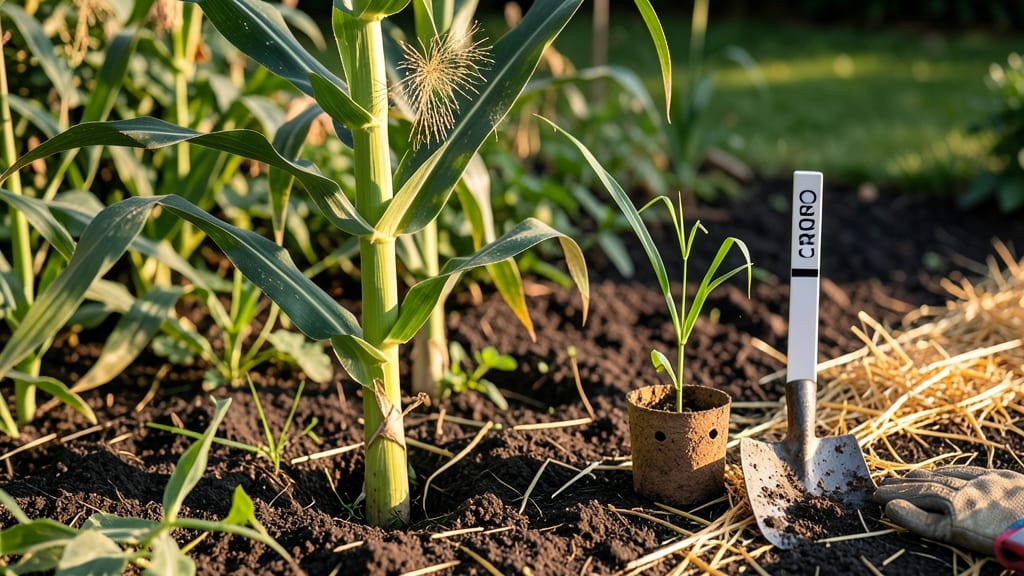
Planting corn in Zone 8a means timing it right—2–3 weeks after your last frost—so the soil stays warm enough for germination and the harvest happens before summer’s brutal heat.
Miss that window, and you’ll end up with stunted stalks or ears that turn tough and starchy before they ripen. I’ve seen it happen more times than I’d like to admit, and the key to avoiding it is knowing when to put those seeds in the ground.
Zone 8a’s unpredictable spring weather makes this even trickier. Too early, and a late frost will wipe out your crop; too late, and the heat arrives before the ears fill out. The solution? Planting in the right window—mid-April to early May—while keeping an eye on soil temperatures.
Here’s how to nail the timing, choose the best varieties for your climate, and keep your corn thriving until harvest—without the stress of summer heat cutting your season short.
Optimal corn planting weeks in Zone 8a: exact timing for heat-resistant varieties
In Zone 8a, where summer heat arrives early, planting corn at the right time means the difference between plump, sweet ears and stunted, heat-stressed plants. Unlike cooler climates, Zone 8a’s longer growing season and high summer temperatures demand precise timing—especially for heat-sensitive varieties.
The key? Plant when soil reaches 60°F+ and avoid the dog days of summer when heat stress peaks.
Corn thrives in warm soil, but Zone 8a’s early heat can trick gardeners into planting too soon. Last frost dates vary by microclimate—typically mid-March to early April—but soil temperature is the real deadline. Cold soil delays germination, while early planting risks silk desiccation before pollination.
Aim for a 6-8 week harvest window before summer’s peak heat arrives.
For sweet corn, prioritize early to mid-spring planting (mid-April to early May) to avoid heat stress during tasseling. Field corn and popcorn can tolerate slightly later plantings but still need to finish before 90°F+ temperatures stunt growth.
Use a soil thermometer to confirm readiness—corn seeds won’t germinate below 50°F, but 60°F+ is ideal for fast sprouting.
Microclimates play a huge role in Zone 8a. South-facing beds warm up faster, while shady spots near buildings may stay cooler. If your garden runs hot, try raised beds with straw mulch to retain moisture and reduce soil temperature spikes.
For container corn, use black pots to absorb heat and plant in partial shade during peak afternoon sun.
Heat-resistant varieties like 'Peaches and Cream' (70 days) or 'Bodacious' (85 days) are your best bets for Zone 8a. These fast-maturing hybrids avoid the July-August heat crunch when corn often struggles.
If you’re planting late, opt for short-season varieties (under 75 days) to ensure harvest before first frost (typically mid-November in Zone 8a).
Watch for silk desiccation, a classic Zone 8a heat stress symptom where silks dry out before pollination. To prevent this, water deeply at the base (1–2 inches per week) and avoid wetting foliage. Morning watering is critical—it keeps roots cool and reduces fungal diseases like leaf blight.
If silks dry prematurely, hand-pollinate by transferring pollen with a paintbrush from tassels to silks.
Pro tip: Succession planting every 2 weeks from April to June ensures a steady harvest. Space your plantings so that ear development coincides with cooler fall temperatures. For example, a late May planting of '
How to avoid heat stress in corn: soil prep, mulching, and variety selection
Even with perfect Zone 8a planting timing, your corn can still suffer from summer heat if the soil and plants aren't prepared. I’ve learned the hard way that heat stress turns sweet corn into tough, starchy disappointment—unless you take proactive steps.
The key is combining the right soil preparation, mulching strategies, and heat-tolerant varieties to keep your crop thriving until harvest.
Heat stress in corn shows up as dried silks, poor ear development, or even complete plant collapse during peak summer. In Zone 8a, where temperatures can soar past 95°F by July, these problems are almost inevitable without protection.
But with the right approach, you can extend your growing season by 2-4 weeks and still get a bountiful harvest.
Heat Stress Prevention: Pros and Cons
Retains 90% soil moisture, regulates temperature, and suppresses weeds.
Reduces soil temps by 10-15°F during peak heat; ideal for late plantings.
Harvest in 60-75 days (e.g., 'Silver Queen'), avoiding summer heat entirely.
Delivers water directly to roots, reducing evaporation and fungal risk.
Can overheat soil to 110°F+; avoid in Zone 8a unless using reflective types.
Encourages fungal diseases like corn smut and leaf blight in humid heat.
Risk heat stress by August; only viable if planted early (pre-April).
If applied after 60 days, it won’t establish roots deep enough for heat protection.
Start with soil preparation—corn needs well-draining, fertile soil with a pH of 6.0-7.0. Amend heavy clay with compost or aged manure to improve aeration and water retention.
I’ve found that adding 1-2 inches of compost before planting gives roots a 30% moisture boost during dry spells, which is critical in Zone 8a’s summer droughts.
For mulching, straw or grass clippings are my top choices—they insulate roots while breaking down slowly. Apply a 4-inch layer after seedlings emerge to keep soil temps 10-15°F cooler than bare ground.
If you’re planting late (after early May), consider 30% shade cloth to buy time until the crop matures. Just remember to remove it once ears form to avoid reducing sunlight.
Variety selection makes all the difference. Fast-maturing sweet corn like 'Silver Queen' (65 days) or 'Peaches and Cream' (70 days) escape summer heat entirely, while heat-tolerant hybrids like 'Pioneer 39T73' (85 days) handle 95°F+ better.
For popcorn, 'Country Gentleman' (90 days) is a reliable choice that resists drought stress once established.
One final tip: Water deeply in the morning to reduce stress. Shallow watering encourages shallow roots, which struggle in heat. Aim for 1-2 inches per week, and always water at the base of plants to avoid wetting leaves.
With these strategies, you’ll turn Zone 8a’s heat from a threat into just another day in the garden.