
Plants
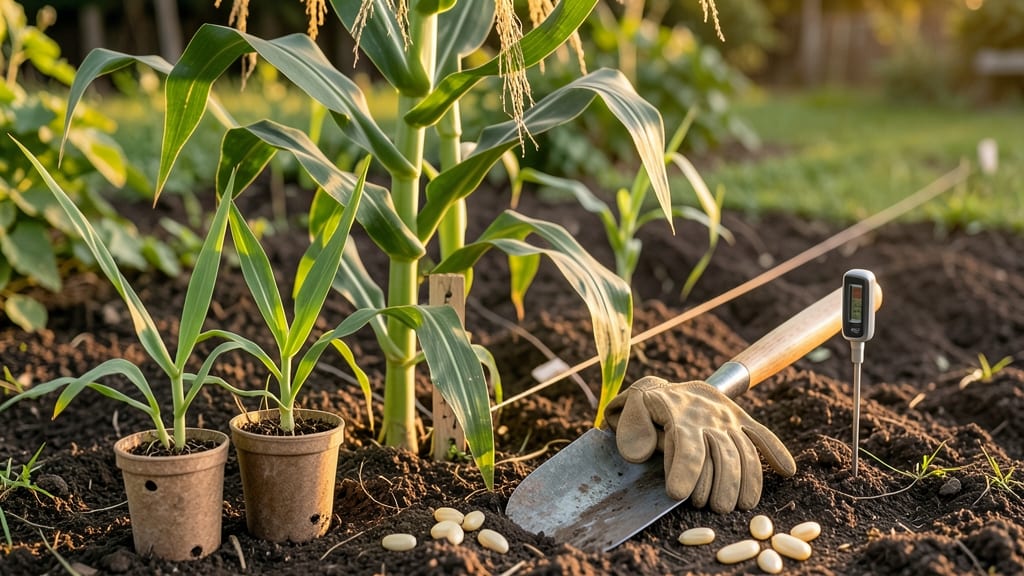
Plant corn in Zone 7a between late April and mid-May after the last frost, when soil temperatures hit 70°F+—this is the golden window for sweet, plump ears.
Corn lovers in Zone 7a know timing is everything—plant too early and risk frost damage, too late and miss peak yields. Here’s your precise planting schedule to grow sweet, plump ears every season.
Zone 7a’s 165 frost-free days mean you’ve got a narrow window to get seeds in the ground before summer heat sets in. Miss it, and you’re left with stunted stalks or no harvest at all.
In this guide, I’ll break down the exact week-by-week schedule for sweet corn, field corn, and popcorn, plus how to adjust for early or late harvests—so you can maximize your yield every year.
Optimal planting dates for Zone 7a corn based on variety type
Getting your corn timing right in Zone 7a means the difference between plump, sweet ears and frost-nipped failures. Since Zone 7a has an average last frost date around April 15 and 165 frost-free days, your planting window is tight but manageable.
The key? Soil temperature must hit 60°F+ for germination, and air temperatures should stay above 55°F consistently.
Corn varieties fall into three main categories: sweet corn (like 'Ambrosia'), field corn (for grain), and popcorn (like 'Golden Bantam'). Each has slightly different timing needs. Sweet corn is the most sensitive to cold, while popcorn can tolerate cooler soils slightly better.
Below, I’ve mapped out the exact week-by-week schedule tailored to Zone 7a’s climate quirks.
Pro Tip: Use a soil thermometer to confirm temperatures before planting. If your soil is still below 60°F, wait—corn seeds won’t sprout in cold soil, no matter how eager you are. Patience here prevents rot and poor germination.
| Variety Type | Optimal Planting Window (Zone 7a) | Soil Temp Requirement | Days to Maturity | Frost Risk Notes |
|---|---|---|---|---|
| Sweet Corn (e.g., 'Ambrosia', 'Peaches and Cream') | Late April to early May (after last frost) | 60°F+ (consistently) | 70-90 days | High frost risk if planted before April 20 |
| Field Corn (e.g., 'Pioneer Brand 33B38') | Mid-April to mid-May (soil temp 55°F+) | 55°F+ (more tolerant) | 90-120 days | Lower frost sensitivity; can handle cooler soils |
| Popcorn (e.g., 'Golden Bantam', 'Strawberry Popcorn') | Early to mid-May (soil temp 60°F+) | 60°F+ (slightly more tolerant) | 80-100 days | Best planted after May 1 to avoid late-season frost |
| Zone 7a Frost Dates: Last frost ~April 15, First frost ~October 15 | ||||
For sweet corn, aim for a May 1 planting date as your safest bet in Zone 7a. This gives you a 90-day window before the first frost, ensuring ears mature fully. 'Ambrosia' and 'Peaches and Cream' are popular choices, but avoid 'Silver Queen'—it’s slower to mature and risks frost damage.
If you’re growing field corn for grain, you can push the envelope slightly. Planting in mid-April works if your soil warms quickly, but monitor nighttime temperatures. Field corn can handle 55°F soils, but below 50°F stunts growth. Use black plastic mulch to warm the soil faster if needed.
Popcorn lovers should wait until early May to plant. Varieties like 'Golden Bantam' mature in 80-90 days, so planting too early risks immature ears. The trade-off? Popcorn is slightly more drought-tolerant once established, making it a great choice for dry Zone 7a summers.
Here’s my week-by-week breakdown for Zone 7a:
- Week 1 (April 15-21): Test soil temp; wait if below 60°F.
- Week 2 (April 22-28): Plant field corn if soil hits 55°F+.
- Week 3 (April 29-May 5): Plant sweet corn and popcorn after last frost.
- Week 4 (May 6-12): Last chance for succession planting if you missed the window.
Watch for late-season heat waves in Zone 7a—they can dry out corn silk during pollination, leading to blind ears. If temps hit 90°F+, water deeply at the base of plants every 2-3 days
How to adjust your corn planting schedule for early or late harvests
Zone 7a gardeners face a tight 165-day frost-free window, but with smart adjustments, you can stretch your corn harvest well beyond the standard summer season. The key is succession planting and season extension—two techniques that let you grow corn earlier in spring or later into fall.
For an early harvest, focus on warming the soil and choosing fast-maturing varieties. For a late harvest, use frost protection and staggered plantings. Both methods can add 2-4 weeks to your growing season without sacrificing yield quality.
- 1 Soil Warming for Early Planting
- 2 Succession Planting
- 3 Frost Protection for Late Harvests
- 4 Container Growing for Flexibility
- 5 Variety Selection Matters
Use black plastic mulch or row covers to raise soil temps to 70°F+ by early April. This lets you plant 2-3 weeks earlier than standard schedules.
Plant new rows every 2 weeks from May through June. Use fast-maturing varieties (60-75 days) like 'Early Sunglow' to ensure continuous harvests.
Extend your season with row covers or low tunnels to protect tender plants until October 15. Choose longer-season varieties (90+ days) like 'Peaches and Cream'.
Grow corn in large containers (20+ gallons) and move them to sunniest spots or greenhouses for extended harvests. Ideal for dwarf varieties like 'Golden Bantam'.
Pick early-season (60-75 days) for spring or late-season (90+ days) for fall. Avoid standard varieties—they won’t mature in time for extended harvests.
If you're aiming for an early harvest, start by testing your soil temperature with a soil thermometer. Corn seeds won’t germinate below 50°F, but roots need 70°F+ to thrive.
I’ve found that black plastic mulch raises soil temps by 5-10°F, letting me plant 'Silver Queen' as early as mid-April.
For late harvests, focus on frost protection. A simple row cover can extend your season by 2-3 weeks, while low tunnels add another 4 weeks. Just remember to remove covers during pollination to allow silks to dry properly.
Pro tip: Pair your succession plantings with companion plants like beans or squash. They improve soil fertility and deter pests, giving your late-season corn a healthier start when planted in July.
With these adjustments, you can enjoy fresh corn from June through September—or even later with the right protection. The key is planning ahead and choosing the right tools for your zone’s unique challenges.