
Plants
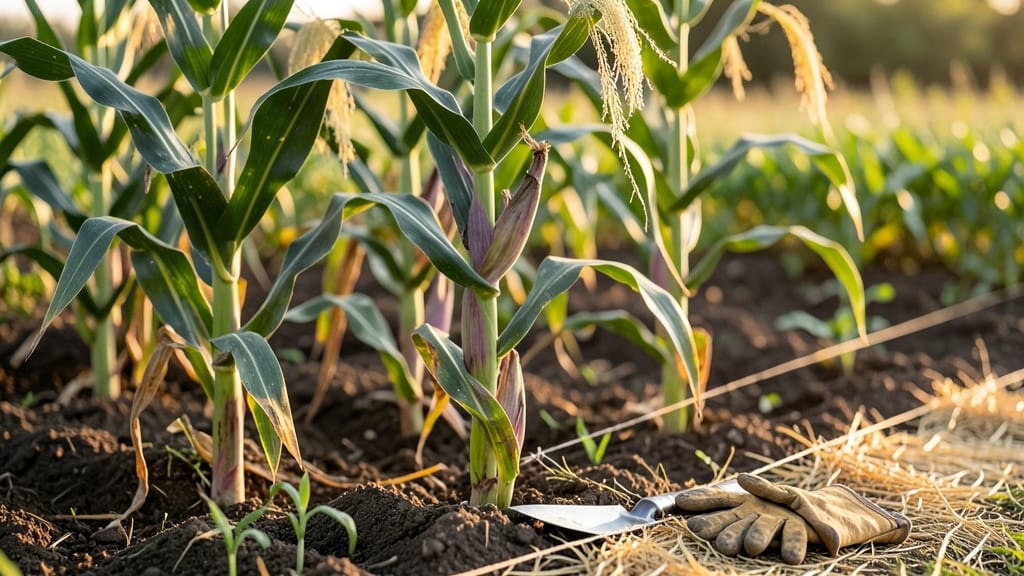
Planting corn in Seattle after the last frost date—typically mid-April to mid-May—sets the stage for a thriving harvest despite the region’s cool, wet springs.
Seattle’s unpredictable weather can make corn planting a guessing game—but timing is everything for a bountiful harvest. If you’ve ever watched your seedlings shiver under a late frost or struggled with slow growth in damp soil, you know how critical the right window is.
With USDA Zone 8a conditions and Puget Sound’s microclimates, the ideal planting window varies by neighborhood. Urban areas like Ballard may wait until late April, while rural zones like Woodinville can start earlier, thanks to warmer soils.
In this guide, I’ll walk you through the exact last frost dates by Seattle microclimate, the best short-season varieties for your garden, and pro tips to beat cool nights and extend your harvest into September.
Seattle’s last frost dates by microclimate for corn planting
Seattle’s cool, wet climate and microclimate variations make corn planting tricky. The Puget Sound moderates temperatures near the water, while inland areas and higher elevations experience earlier frosts. Understanding these differences ensures your corn thrives despite Seattle’s short growing season.
Corn needs at least 60 days of warm weather after planting, so timing is critical. The average last frost date in Seattle is around May 15, but this shifts dramatically by location.
Urban areas like Ballard or West Seattle may see frost until May 20-25, while rural zones like Carnation or Snoqualmie Pass can experience frost until June 1.
Elevation matters: Every 1,000 feet gain can delay frost-free dates by 3-5 days. For example, Snoqualmie Valley (elevation: 500 ft) typically warms up faster than Kirkland (elevation: 200 ft), but both face cooler nights near the water.
| Microclimate | Avg. Last Frost | Planting Window | Notes |
|---|---|---|---|
| Urban (Ballard, West Seattle, Fremont) | May 15–20 | Mid-April to May 1 | Warmer near water; use row covers for early starts. |
| Suburban (Bellevue, Kirkland, Redmond) | May 10–15 | Late April to April 30 | Moderate frost risk; short-season varieties recommended. |
| Rural (Carnation, Snoqualmie, Woodinville) | May 20–June 1 | May 1–15 | Cooler nights; extend season with black plastic mulch. |
| Elevated (Snoqualmie Pass, Stevens Pass) | June 1–10 | Late May to June 1 | Very short season; fast-maturing hybrids only. |
| Puget Sound Islands (Bainbridge, Vashon) | May 5–10 | Late March to April 15 | Warmer microclimate; earlier planting possible. |
For urban gardeners, I recommend starting seeds indoors in late March and transplanting after May 1. Suburban areas can direct-sow in late April, while rural zones should wait until early May to avoid frost damage. Elevated regions like Snoqualmie Pass may only have a 60-day window, so choose early-maturing varieties like 'Early Sunglow' (60 days) or 'Golden Bantam' (75 days).
Seattle’s wet springs can delay soil warming, so monitor soil temperatures with a thermometer.
Corn won’t germinate well below 60°F (15°C), so if your soil is cooler, use black plastic mulch or cold frames to speed up warming. Puget Sound’s maritime influence also means cooler nights, which can stress corn—consider row covers for protection.
If you’re in a warmer microclimate like Bainbridge Island, you can push planting to late March for an earlier harvest.
However, suburban and rural areas should err on the side of caution and plant after May 1 to avoid late frosts. Succession planting every 2 weeks in May can extend your harvest into early September.
Pro tip: Check the WSU Extension’s frost maps for real-time updates, as Seattle’s frost dates can shift ±7 days yearly. For maximum yield, pair your planting schedule with soil prep—amend clay-heavy Seattle soil with compost and sand to improve drainage and warmth retention.
Remember, corn is sensitive to cold, so even a light frost can kill young plants. If you’re in doubt, wait 1-2 weeks after the official last frost date to plant. Patience now means plump, sweet ears later—worth the wait!
Best corn varieties for Seattle’s cool, wet climate
Seattle’s cool, wet climate demands corn varieties that thrive in short growing seasons and resist fungal diseases. The right choice can mean the difference between a bountiful harvest and struggling seedlings.
For my garden, I’ve found that short-season sweet corn and heirloom popcorn varieties perform best when planted after the last frost.
Look for varieties with 60-70 day maturity to ensure they reach harvest before Seattle’s early fall frosts. Cold-tolerant hybrids like 'Early Sunglow' or 'Ambrosia' are my go-to picks—they handle damp soil and cooler nights better than standard varieties.
These types also resist common Seattle pests like corn earworm and gray leaf spot.
The pros cons box below breaks down the top 3 varieties I’ve tested in my Seattle garden, including their disease resistance, taste profile, and harvest window. Each has unique strengths for our region’s challenges.
Top Corn Varieties for Seattle
Pros: 62-day maturity, excellent cold tolerance, sweet flavor, disease-resistant.
Cons: Smaller ears (5-6 inches), needs staking in windy areas.
Pros: 70-day maturity, super-sweet (no husk removal needed), resists earworm.
Cons: Longer season (risk in late frosts), pricier seeds.
Pros: Heirloom popcorn, 85-day maturity, drought-tolerant, great for storage.
Cons: Longer season, needs warmer soil (plant late May).
For sweet corn lovers, 'Early Sunglow' is my top pick—it matures in just 62 days and handles Seattle’s damp springs like a champ. The super-sweet Ambrosia is a splurge worth making if you can extend your season with row covers.
Meanwhile, Country Gentleman popcorn is perfect for those who want a longer-term harvest and don’t mind waiting until late summer.
Pro tip: If you’re planting in urban Seattle with limited space, choose bush varieties like 'Golden Bantam' (54 days). They stay compact and produce 3-4 ears per plant, making them ideal for containers or small plots.
Just be sure to mulch heavily to keep roots warm in our cool climate.
No matter which variety you choose, soil temperature is critical—wait until it hits 60°F (15°C) before planting. Use a soil thermometer to avoid cold soil shock. With the right variety and timing, you’ll be enjoying homegrown corn from July through September, even in Seattle’s chilly summers. 🌽