
Plants
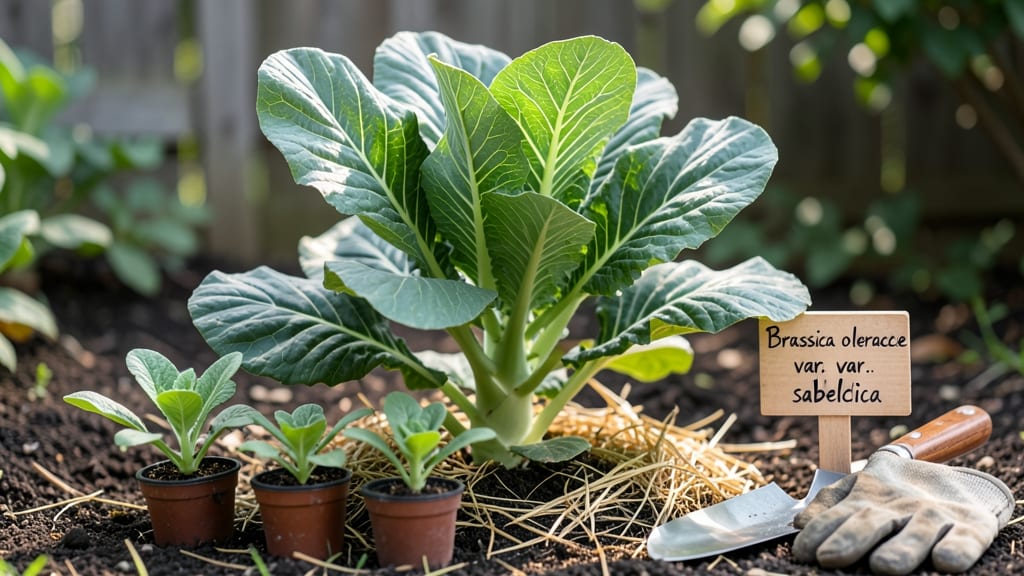
To plant collards in South Carolina, aim for late February through early April or August to early September, when soil temps and frost dates align perfectly for tender growth.
Picture this: you’ve spent weeks nurturing your 🥬 collard seedlings, only to watch them bolt in the summer heat or wilt under a late frost.
The difference between a thriving harvest and a bitter disappointment often comes down to timing—especially in a state where coastal humidity clashes with Piedmont frost pockets.
Collards love South Carolina’s mild winters but hate the summer’s sweltering 85°F+ spells. Plant too early, and you risk frost damage; too late, and the heat turns your greens tough and seedy.
The key is tapping into your microclimate zone—whether you’re in Charleston’s coastal belt or the Upstate’s cooler hills—so you can lock in the 60-day window between frost and harvest.
Below, I’ll break down the exact dates by zone, how to prep soil for each season, and the one trick that keeps your collards sweet even when summer rolls in. No more guessing—just a foolproof schedule for year-round greens.
Best planting dates for collards in South Carolina’s 3 microclimate zones
South Carolina’s diverse climate—from the humid Coastal Plain to the cooler Mountain regions—means collard planting dates vary dramatically. In Zone 8a coastal areas, you can plant year-round with minimal frost risk, while Zone 7b mountain gardens face earlier freezes.
The key? Plant when soil temps stay between 60-75°F and avoid heat stress above 85°F.
Collards thrive in early fall and late winter plantings, but each microclimate has its own sweet spot. Coastal gardens can push boundaries with winter crops, while Piedmont growers must act quickly after frost dates. Let’s break down the best windows for each zone to maximize your harvest.
| Microclimate Zone | Best Planting Windows | Soil Temp Requirement | Frost Considerations | Harvest Window |
|---|---|---|---|---|
| Coastal Plain (Zone 8a) |
|
60-75°F (ideal) | Minimal frost risk; can plant year-round with protection | October - November (fall), April - June (spring) |
| Piedmont (Zone 7b) |
|
60-70°F (avoid heat stress) | First frost: November 15; last frost: March 1 | September - November (fall), March - May (spring) |
| Mountain (Zone 7a) |
|
55-65°F (cooler tolerance) | First frost: October 31; last frost: April 15 | August - October (fall), April - June (spring) |
For Coastal Plain gardeners, the August-September window is ideal for fall crops, while February-March plantings yield spring harvests. Soil temps here rarely drop below 55°F, so winter plantings (with row covers) can extend your season. Use black plastic mulch to warm soil faster in late winter for earlier starts.
In the Piedmont, act fast—soil warms quickly in spring, but heat stress above 85°F causes bolting. Plant transplants in August for fall harvests, then again in January-February for spring. Use shade cloth (30%) if planting in July to prevent early bolting.
Mountain gardeners have the shortest season but can still grow collards successfully. Focus on July-August plantings for fall harvests, as soil stays cooler longer. Row covers are essential after October 15 to protect tender leaves from early frosts.
Varieties like 'Top Bunch' mature faster (50 days) and handle cooler temps better.
Pro tip: Test soil temps with a soil thermometer before planting—collard seeds won’t germinate below 50°F. In Zone 7b-8a, aim for 60°F+ soil for reliable sprouting. For winter plantings, use cold frames to maintain 55-60°F soil temps.
Heat tolerance is critical—collards bolt when daytime temps exceed 85°F for more than 3 days. In Coastal Plain summers, plant shade-tolerant varieties like 'Georgia Southern' and provide afternoon shade with burlap sacks or lightweight shade cloth.
Don’t overlook succession planting! In the Piedmont, sow every 2 weeks from August-October to stagger harvests. Mountain growers should stick to single plantings in July and March due to shorter seasons. Always space plants 12-18 inches apart for optimal air circulation.
Remember: Frost dates vary yearly. Check your local Cooperative Extension Service for updated averages. With the right timing, you’ll enjoy tender collards from spring through winter—no bitter greens in sight! 🌱
How to extend your collard harvest season in South Carolina’s climate
South Carolina’s summers can turn your collards into tough, bitter greens if you don’t act fast. The key to a long harvest season is outsmarting the heat—whether through shade, mulch, or smart planting schedules.
I’ve grown collards in Zone 8a for years, and these tricks keep them tender even when temps hit 90°F+. Let’s dive into the must-try methods to beat the bolting blues.
First, shade cloth is your secret weapon. When daytime temps creep above 85°F, drape a 30-50% shade cloth over your plants for 2-4 hours in the afternoon. This mimics the cooler conditions collards prefer, preventing them from bolting prematurely.
I use white shade cloth because it blocks harmful UV rays while still allowing light through—perfect for keeping leaves dark green and sweet.
Here’s how to maximize your harvest with proven techniques:
- 🌱 Use shade cloth during peak summer heat (30-50% coverage) to prevent bolting.
- 🪴 Mulch heavily with straw or wood chips to retain moisture and cool roots.
- ⏰ Plant in succession every 2-3 weeks from August to September for staggered harvests.
- 🥬 Choose heat-tolerant varieties like 'Georgia Southern' or 'Vates' for extended harvests.
- 💧 Water deeply in the morning to reduce stress and fungal risks.
Next, mulching isn’t just about weeds—it’s a game-changer for collard survival. Apply a 3-4 inch layer of straw or wood chips around your plants to lock in moisture and keep soil temps 10°F cooler. In my garden, mulched collards stay crisp and tender even during August heatwaves.
Plus, it suppresses weeds, so you spend less time pulling them and more time harvesting. For extra insulation, top-dress with compost in early spring to boost nutrient availability.
For a continuous harvest, try succession planting. Start your first batch in late July, then sow new seeds every 2-3 weeks until early September. This ensures you’re always harvesting fresh leaves while older plants mature.
I’ve had collards ready for the table from October through December using this method—no summer break in flavor!
Don’t overlook cold-hardy varieties like 'Georgia Southern' or 'Vates'. These heat-tolerant collards stay sweet longer and resist bolting better than standard types. I planted 'Vates' in mid-August last year, and it produced tender leaves until a hard frost in November.
Pair these with shade cloth and mulch, and you’ll extend your harvest by 4-6 weeks compared to regular collards.
Finally, watering strategy makes all the difference. Collards need 1-1.5 inches of water weekly, but shallow watering leads to stress. Instead, water deeply in the morning to encourage strong root growth and reduce fungal diseases.
In my experience, consistent moisture keeps leaves plump and flavorful, even when temps soar. Combine this with shade and mulch, and you’ll have collards that taste like they were grown in spring all summer long.