
Plants
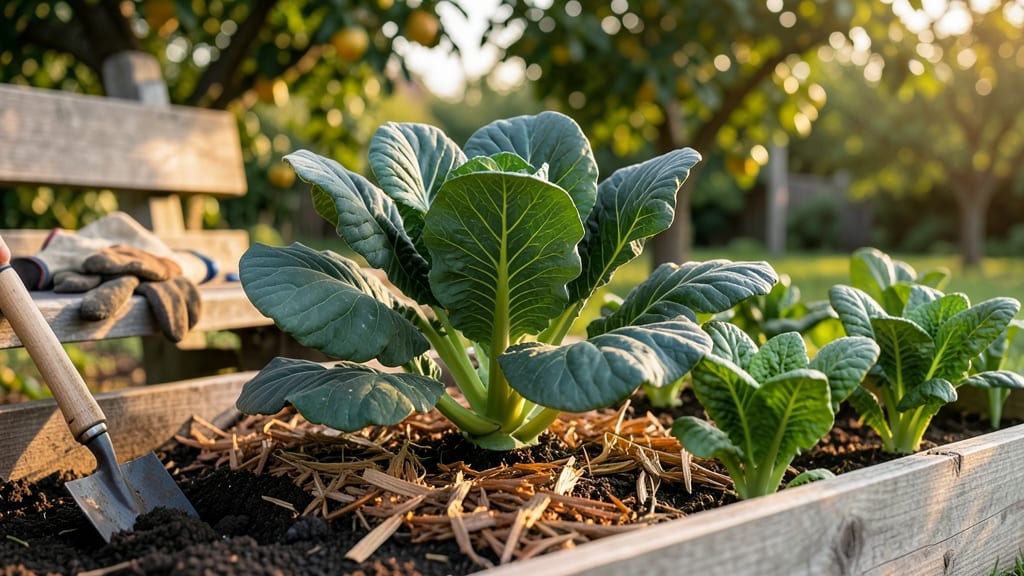
Planting collards in Florida during the fall and winter months ensures tender, sweet leaves without the bitter bolting that ruins summer harvests.
You’ve probably heard collards are a Florida staple—but even here, timing matters. Skip the hottest summer weeks, and you’ll end up with tough, stringy greens that taste like disappointment.
The key? Start seeds or transplants in September or October for a perfect winter crop, or again in January for spring harvests.
Florida’s mild winters (even in Zone 9a-11) create ideal conditions for collards, but the real secret is avoiding heat stress. With the right spacing, shade, and soil prep, you can stretch your harvest well beyond the ideal windows—no frost to worry about, just consistent greens when you need them.
Below, I’ll break down the exact weeks to plant by region, how to protect your crop from Florida’s summer heat, and the simple care routine that keeps your 🥬 collards thriving all year.
Optimal collard planting weeks in Florida to prevent bolting
Collards thrive in Florida’s mild winters but bolt—flowering prematurely—when stressed by summer heat or sudden cold snaps. To avoid bitter, tough leaves, plant during these exact 4-6 week windows when temperatures stay between 50°F and 75°F.
These timelines are tailored to Florida’s USDA zones 8A-11, ensuring sweet, tender greens all season.
The best time to plant collards in Florida is during fall and winter months, when cooler temperatures prevent bolting. For North Florida (zones 8A/8B), start as early as mid-August, while South Florida (zones 10A/10B) can plant until January.
Spring plantings are possible but risk bolting if temperatures rise too quickly.
Bolting occurs when collards sense heat stress (above 80°F) or daylight length changes. In Florida, this means avoiding summer plantings unless you provide heavy shade and consistent moisture. Even then, yields may be smaller and leaves more bitter.
| Planting Window | Ideal Temperature Range | Bolting Risk | Notes for Florida |
|---|---|---|---|
| Mid-August – Mid-September | 65°F – 75°F | Low (fall cooling) | Best for North Florida; avoid late September if temps spike. |
| October – November | 55°F – 70°F | Very Low | Optimal for all zones; harvest-ready by December. |
| December – January | 50°F – 65°F | Low (winter chill) | South Florida’s last window; protect from rare cold snaps. |
| February – Early March | 60°F – 75°F | Moderate (spring warming) | Risk increases after March; use shade cloth if planting late. |
For North Florida (zones 8A/8B), focus on planting between August 15 and September 15. This window captures the transition from summer heat to fall coolness, minimizing bolting risks. If you miss this, your next best bet is October 15–November 15, when daytime highs drop below 75°F consistently.
In Central Florida (zone 9A), extend your window to September 1–November 30. The slightly warmer climate allows for later fall plantings, but avoid starting seeds after November 15—slow growth in winter may delay harvests until spring.
South Florida (zones 10A/10B) gardeners have the most flexibility, with ideal planting from September 15 to January 15. However, even here, summer plantings (June–August) will bolt unless you provide 50% shade cloth and daily watering. For summer success, opt for container growing with afternoon shade.
Bolting isn’t just about heat—day length also triggers it. Collards bolt when days exceed 14 hours of light, common in Florida’s summer. To delay bolting, use black plastic mulch to cool roots or plant under dappled shade trees like oak or pecan.
After planting, monitor soil moisture closely. Dry spells above 85°F will stress plants faster than heat alone. Mulch with straw or wood chips to retain moisture and keep roots cool. In North Florida, a lightweight row cover can protect seedlings from unexpected December frosts.
For a year-round supply, stagger plantings every 3–4 weeks during your zone’s ideal window. This succession planting ensures a steady harvest while avoiding the bitter taste of over-mature leaves. Pair collards with radishes or carrots in the same bed—their shallow roots won’t compete for nutrients.
Remember: Florida’s no-frost rule is a double-edged sword. While you won’t lose plants to winter kill, the lack of cold dormancy means collards keep growing—sometimes too fast. Thin seedlings to 12–18 inches apart to prevent overcrowding, which stresses plants and encourages bolting.
🥬How Florida’s heat zones affect collard planting timing
Florida’s USDA zones 8A-10B create dramatic differences in when to plant collards for maximum sweetness. In North Florida (8A/8B), cooler winters mean you can start earlier, while South Florida (10A/10B) gardeners must time plantings to avoid summer’s brutal heat.
Even Central Florida (9A) has microclimates that shift ideal windows by weeks.
The key difference? Bolting triggers vary by zone. In Zone 8A/8B, temperatures below 50°F can stress plants, while Zone 10B collards bolt when temps hit 85°F+ for prolonged periods. Understanding these thresholds lets you avoid bitter harvests and maximize tender growth.
In North Florida (8A/8B), I recommend starting seeds 8-10 weeks before first frost—around August 15 for fall crops. The cooler temps prevent bolting, but watch for light frosts that can damage young plants. A floating row cover extends the season by 2-3 weeks in both directions.
Central Florida’s Zone 9A offers the most flexibility. You can plant year-round, but focus on September-October and November-December for the sweetest leaves. The trick? Morning sun only in summer—plant collards on the west side of structures to block afternoon heat.
For South Florida (10A/10B), summer planting is risky without shade. I’ve had success with 50% shade cloth during June-September, paired with daily watering. Start seeds in September for fall harvests or January for spring crops.
The key is consistent moisture—let the soil dry between waterings, or you’ll trigger fungal issues.
No matter your zone, succession planting every 2-3 weeks ensures a steady supply. In Zone 8A/8B, sow one final batch by October 15 to harvest before winter. In Zone 10B, January plantings avoid summer’s worst heat while still giving you 60-day harvests before bolting season.