
Plants
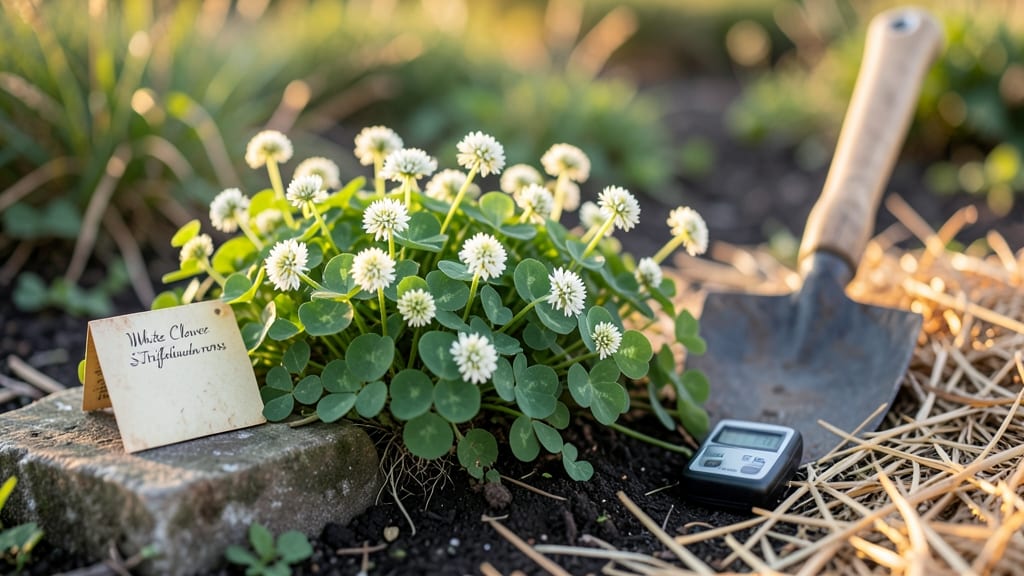
Planting clover in Louisiana at the right time means the difference between a lush, nitrogen-rich lawn and a patchy, weed-choked disappointment.
If you’ve ever stared at a seed packet in late summer, torn between waiting for cooler weather or risking a summer planting, you’re not alone. The Gulf Coast’s humidity and heat play tricks on timing—plant too early, and you’ll battle weeds; too late, and the seeds won’t germinate.
Louisiana’s 8a-9b zones give you two ideal windows: early fall (September–November) for winter-hardy varieties and early spring (February–March) for summer clover. But here’s the secret: your exact microclimate—whether you’re in humid New Orleans or drier Shreveport—can shift those deadlines by weeks.
Below, I’ll break down the fastest planting strategies for your region, including soil prep, the best clover types for Louisiana’s heat, and how to outsmart the summer slump.
Best planting months for clover in Louisiana by region
Louisiana’s diverse climate—from the humid coastal regions to the hotter inland areas—means clover planting windows vary dramatically by zone. Timing is critical to avoid heat stress, drought, or early frost damage. North Louisiana has cooler winters, while South Louisiana stays warm longer, creating a 6-week difference in ideal planting periods.
Let’s break it down by region to maximize your clover’s success.
Fall planting (September–November) is the gold standard for most Louisiana growers because cooler temperatures and higher humidity create perfect germination conditions. Early spring (February–March) works too, but only if you’re planting summer-hardy varieties like white clover or berseem clover. Avoid planting in peak summer (June–August) unless you’re in South Louisiana and using shade-tolerant types.
Here’s a region-specific breakdown of the best months to plant clover in Louisiana, accounting for soil temperatures, humidity, and frost risk:
North Louisiana’s shorter growing season means you’ll want to plant clover by late October to ensure roots establish before the first frost. Central Louisiana offers a slightly longer window, but avoid planting after October 15—weeds and heat will outcompete clover seedlings. South Louisiana can push planting into mid-November thanks to milder winters, but humidity spikes can lead to fungal issues if seeds aren’t pre-treated.
For summer clover (like berseem), late winter planting (February–March) is ideal in South Louisiana, where soil stays warm enough for germination. In North Louisiana, wait until mid-March to avoid frost damage. Early spring planting also benefits from natural rainfall, reducing your watering workload.
If you miss the ideal windows, don’t panic—August can work for South Louisiana if you use shade cloth and daily watering.
However, June–July planting is risky due to heat stress and drought. December–January is only viable in South Louisiana, where mild winters allow slow but steady growth.
Pro tip: Test your soil temperature before planting—clover seeds need soil at least 60°F to germinate. Use a soil thermometer or check local agricultural extension reports for real-time data. Cooler soils delay germination, while overly warm soils can cause seedling stress.
Once planted, mulch lightly to retain moisture and avoid compacting soil—Louisiana’s clay-heavy soils can suffocate young clover roots. Monitor for weeds in the first 6 weeks, as clover grows slowly compared to crabgrass and nutsedges.
A light nitrogen fertilizer (5-10-10) after 4–6 weeks boosts establishment without burning tender seedlings.
Remember, clover thrives on patience. While grass seeds sprout in days, clover takes 2–4 weeks to germinate. Don’t disturb the soil during this time—keep foot traffic minimal and water gently to avoid displacing seeds.
With the right timing, your Louisiana lawn or pasture can transform into a lush, nitrogen-fixing green carpet by spring.
How Louisiana’s microclimates affect clover germination success
Louisiana’s humid subtropical climate creates dramatic microclimates that can shift your clover planting window by 3-4 weeks. Coastal areas like New Orleans stay warmer and wetter longer, while inland zones near Shreveport experience hotter, drier summers that demand different timing.
Even urban heat islands in Baton Rouge can push germination deadlines earlier than rural areas.
For white clover, the sweet spot is September 15–October 15 in most regions, but coastal gardeners should aim for late August–early September to beat summer heat stress. Inland areas can extend planting until mid-November when soil temps drop below 75°F.
The risk? Planting after October 30 in southern zones increases frost damage before roots establish.
🌱 Microclimate Planting Adjustments
| Zone Type | Adjustment | Risk of Late Planting |
|---|---|---|
| Coastal (e.g., New Orleans) | Plant 2 weeks earlier (late Aug) | Fungal rot from humidity |
| Inland (e.g., Shreveport) | Extend to mid-November | Frost damage |
| Urban Heat Islands | Use shade cloth in summer | Seed desiccation |
💡 Pro Tip: Test soil moisture—coastal areas need less frequent watering due to natural humidity, while inland zones may require daily checks during heatwaves.
Urban heat islands present a unique challenge: pavement and buildings create microclimates 5–10°F warmer than surrounding areas. In these zones, red clover germinates 20% slower due to heat stress. Solution? Use shade cloth (30% coverage) during summer planting or switch to subterranean clover, which tolerates 90°F+ soils better.
For pasture mixes, inland farmers often plant white Dutch clover in late February to capitalize on spring rains, while coastal ranchers wait until March 15 to avoid hurricane-season flooding.
The trade-off? Inland plantings risk weed competition from summer grasses, while coastal delays may lead to slug damage in wet conditions.
If you must plant outside ideal windows, stratify seeds for 2 weeks in a damp paper towel to trick them into thinking it’s spring. For summer plantings, mulch heavily (3+ inches) to retain moisture and water deeply at dusk to reduce evaporation.
The last resort? Use bio-stimulants like seaweed extract to boost germination rates by 15–20%.
Remember: Louisiana’s clay-heavy soils dry out faster in inland zones, so amend with compost before planting. Coastal areas, meanwhile, benefit from sulfur applications to counteract natural soil acidity. Test your soil—the pH sweet spot for clover is 6.0–7.0, and Louisiana’s native soils often skew acidic (5.0–6.0). 🌿