
Plants
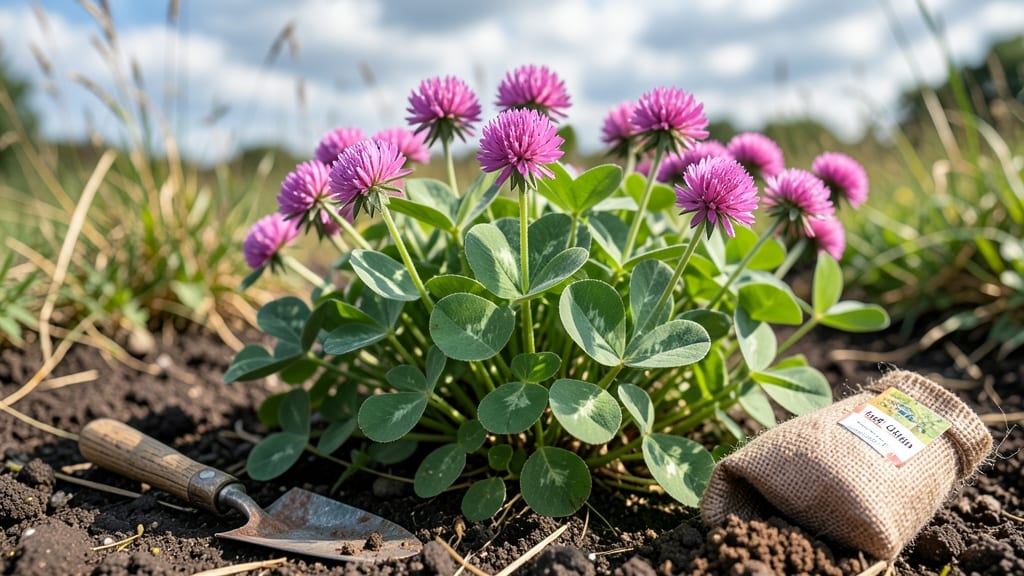
Planting clover in Minnesota at the right time means the difference between a thriving lawn and a patchy, struggling one 🌱 — aim for early spring or early fall for the best results.
Minnesota’s unpredictable climate can make or break your clover crop—planting at the wrong time means sparse growth or total failure. But timing it right transforms your lawn into a vibrant, nitrogen-rich green carpet that thrives year-round.
Whether you’re planting red clover for pollinators or white clover for a lush lawn, knowing when to sow seeds in your USDA Zone 3-5 region is key. Too early, and frost will kill your seedlings; too late, and they won’t establish before winter.
Below, I’ll break down the exact months to plant clover in Minnesota, how to adjust for your microclimate, and the best varieties for your needs—so you can enjoy a dense, resilient lawn all season long.
Best planting months for clover in Minnesota by region (southern vs Northern zones)
Minnesota’s diverse climate zones create unique challenges for clover planting. Southern regions like Twin Cities and Rochester enjoy earlier frost-free periods, while northern areas like Duluth face shorter growing seasons.
Getting your timing right means the difference between a lush, nitrogen-rich lawn and a failed patch of brown dirt.
Clover thrives in USDA Zones 3-5, but soil temperature and frost dates vary dramatically. In Southern Minnesota, you can plant as early as late March, while Northern Minnesota gardeners should wait until mid-May to avoid frost damage. Let’s break it down by region for foolproof success.
For Southern Minnesota, I recommend planting white Dutch clover in late March to take advantage of warmer soils. This variety establishes quickly and handles early spring rains better than others.
If you’re in Central Minnesota, red clover is your best bet—it tolerates cooler soils and thrives in USDA Zone 4 conditions.
In Northern Minnesota, Alsike clover is hardier and better suited for shorter seasons. Plant in mid-May when soil temperatures consistently stay above 55°F (13°C). Fall planting in this region should happen by early September to allow roots to establish before first frost.
One critical mistake I see often is planting too early in Northern Minnesota. Cold soil slows germination, and clover seeds can rot if planted when the ground is still below 45°F (7°C). Always check the 7-day forecast for frost warnings before planting in spring.
If you’re unsure about your last frost date, use the National Weather Service or local extension office resources. They provide historical averages that help you plan. For example, Minneapolis averages its last frost on May 10th, while Fargo waits until May 25th.
For fall planting, aim to sow seeds 6-8 weeks before first frost. This gives clover enough time to germinate and develop a root system before winter. In Southern Minnesota, that means August planting, while Northern gardeners should wait until early September.
Pro tip: Mix clover seeds with a light layer of compost before covering with soil. This improves moisture retention and provides early nutrients. Water gently after planting to avoid washing seeds away.
Remember, clover thrives in full sun but tolerates partial shade. If your yard has tree shade, choose white clover—it handles lower light better than red varieties. With the right timing and variety, your Minnesota lawn will be a pollinator paradise in no time! 🌱
How to adjust planting time for early spring vs late summer clover growth
Minnesota’s unpredictable frost patterns demand flexibility when planting clover. While spring planting aims for summer blooms, late summer planting ensures fall/winter hardiness. Both strategies require careful timing to avoid frost damage or slow establishment.
Let’s break down the best approach for each window and how to adapt when Mother Nature throws curveballs.
For early spring planting, target March to early April once soil temperatures reach 40°F. This gives clover 6-8 weeks to establish roots before summer heat arrives. In late summer, aim for August to allow roots to strengthen before first frost (typically mid-October).
Both timings rely on soil prep and seed selection tailored to Minnesota’s climate.
- 📅 Spring Planting: March-April after last frost (soil 40°F+) for summer blooms. Use red clover for pollinators or white clover for lawns.
- 🌡️ Late Summer Planting: August for fall/winter hardiness. Choose hardy varieties like Alsike clover (USDA Zone 3-5).
- 🌱 Soil Prep: Test pH (6.0-7.0 ideal). Add compost (2-3 inches) and light fertilizer (5-10-10) before planting.
- 🌧️ Weather Contingency: If frost threatens, cover seedlings with row fabric. For late plantings, use mulch to retain warmth.
- ⏳ Establishment Time: Spring plantings need 6-8 weeks to root; fall plantings have 8-10 weeks before winter dormancy.
When planting in early spring, prioritize soil warmth and moisture retention. Work compost into the top 6 inches of soil and rake lightly to create a fine seedbed. Red clover germinates faster in warm soil, making it ideal for spring lawns, while white clover tolerates cooler temps better.
If temperatures drop unexpectedly, use frost blankets to protect young seedlings.
For late summer plantings, focus on root development before frost. Choose hardy varieties like Alsike clover, which survives Zone 3 winters. Plant 4-6 weeks before first frost (typically by mid-August) and water deeply to encourage deep roots.
A thick mulch layer (3-4 inches) insulates roots and prevents soil heaving during freeze-thaw cycles.
Minnesota’s erratic weather means flexibility is key. Monitor 7-day forecasts and adjust planting dates if unseasonable warmth or late frosts occur. For example, if May frost hits unexpectedly, delay spring plantings until mid-May.
Similarly, if September stays warm, extend fall plantings to early October—just ensure roots have 4-6 weeks to harden off before winter.
Pro tip: Mix clover seeds with ryegrass for early spring plantings. The ryegrass provides quick ground cover while clover establishes, reducing erosion risks from spring rains. In late summer, pair clover with winter rye for a living mulch that protects soil until spring.
Remember, clover thrives on patience. Whether you plant in spring or fall, give seedlings consistent moisture and minimal disturbance for the first 6 weeks. With the right timing and care, your Minnesota lawn will reward you with lush, nitrogen-rich growth year-round. 🌿