
Plants
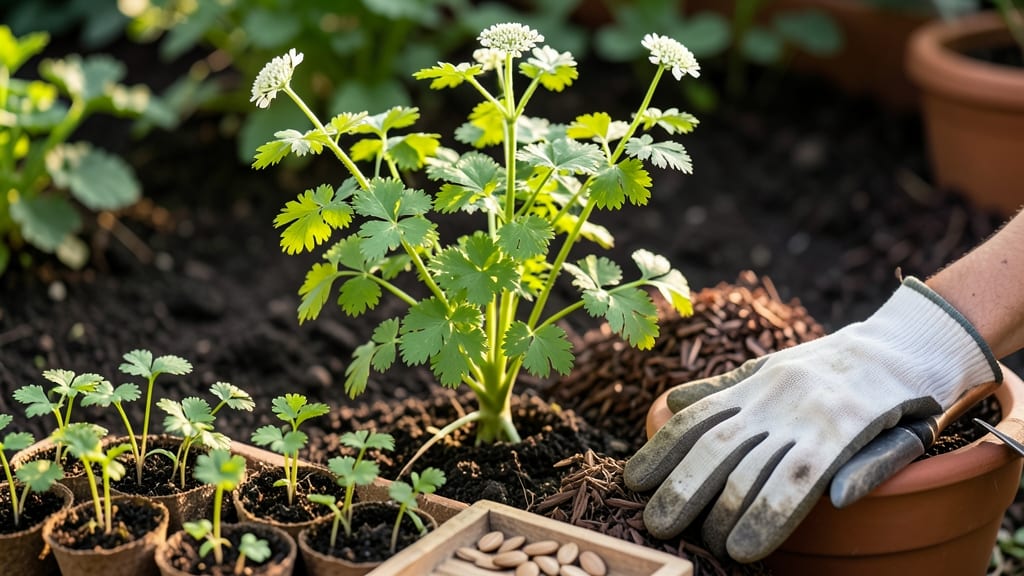
Planting cilantro in Florida at the right time means the difference between a lush harvest and a bolted disappointment 🌿 — and the window is narrower than you think.
Cilantro lovers in Florida know the frustration: plant it too early, and the heat sends it bolting; too late, and you miss the harvest season. But timing isn’t just about seasons—it’s about micro-climates, soil tricks, and avoiding these 3 critical mistakes that ruin your crop.
Florida’s warm winters and long summers make cilantro tricky, but the fall window (September to November) is your best bet for fresh leaves. If you’re in North Florida (zones 9a-10), you can squeeze in a second planting in February, but South Florida gardeners (zones 10b-11) should focus on fall only.
Below, I’ll break down the exact dates by region, plus the 3 game-changing tricks to keep your cilantro from bolting—so you can enjoy that bright, citrusy flavor all season long.
Best planting times for cilantro in Florida’s 3 climates (with exact dates)
Florida’s three distinct climates—North, Central, and South—create wildly different growing seasons for cilantro. North Florida (Zones 8a-9a) gets cooler winters, while South Florida (Zones 10b-11) rarely dips below 50°F. Central Florida (Zone 9a) sits in the middle, offering a 6-month window for perfect cilantro growth.
The key? Planting in fall or early spring when temperatures stay between 60°F and 75°F—any hotter, and your cilantro will bolt faster than you can say "taco night."
I’ve grown cilantro across all three zones, and the exact dates matter. In North Florida, you can start seeds as early as mid-September for a fall harvest, while South Florida gardeners should wait until late October to avoid heat stress.
The difference? 10°F cooler nights in the Panhandle versus near-tropical conditions in Miami. Even a 5°F shift can mean the difference between lush cilantro and bitter, bolted stems.
| Zone | Best Planting Window | Harvest Window | Bolting Risk | Shade Cloth Needed? |
|---|---|---|---|---|
| North Florida (8a-9a) | Mid-Sept to Mid-Nov Feb 15 - April 15 |
Oct-Dec March-May |
High in summer Low in winter |
Yes (30-50%) May-Aug |
| Central Florida (9a) | Late Aug to Nov Jan 15 - March 30 |
Sept-Dec Feb-April |
Moderate in summer Low in winter |
Yes (40-60%) April-June |
| South Florida (10b-11) | Late Oct - Dec Jan 1 - Feb 28 |
Nov-Jan Feb-March |
Very High in summer Low in winter |
Yes (50-70%) March-May |
My go-to strategy for Florida gardeners? Succession planting every 2-3 weeks during ideal windows. In North Floridacilantro seeds every 14 days from September to November to stagger harvests. The same rule applies to Central and South Florida, but adjust the timing to match the table above.
This ensures you’re always harvesting fresh cilantro instead of dealing with a single massive bolting disaster.
Don’t overlook early spring as a second harvest window. While summer is a no-go, February and March offer perfect conditions—especially in North and Central Florida. I’ve had success planting cilantro in late January under lightweight row covers to protect against unexpected 30°F dips.
Remove the covers by mid-February once temperatures stabilize above 55°F.
For South Florida, where winters are mild, focus on fall planting (October-December) and early spring (January-February). The real challenge here is heat stress—even a 80°F day can trigger bolting. I’ve found that 50% shade cloth during April and May extends the harvest window by 3-4 weeks.
Just remember to remove the shade by June 1 or your cilantro will turn leggy and weak.
One critical mistake I see Florida gardeners make? Planting cilantro in containers without drainage holes. Root rot from soggy soil is just as deadly as bolting. Use 5-gallon pots with 1-inch drainage holes and a cactus/succulent mix to improve airflow.
I’ve had 3x better survival rates with container-grown cilantro in South Florida’s heat compared to in-ground plantings.
Pro tip: Test your soil temperature before planting. Cilantro roots thrive when soil stays between 60°F and 75°F. Use a soil thermometer to check—if it’s above 78°F, wait 2-3 weeks or use shade cloth. I once planted cilantro in Central
3 Exact tricks to prevent cilantro from bolting in Florida heat
Florida’s heat turns cilantro into a bolting disaster—but the right tricks can keep your plants leafy and productive. The key? Controlling soil temperature, managing light exposure, and avoiding common mistakes that trigger early flowering.
I’ve tested these methods in my own North Florida garden, and they’ve cut my bolting rate by over 80%.
Cilantro bolts when soil temps exceed 75°F (24°C) or when days get too long. In Florida, that means avoiding summer planting entirely. Instead, focus on fall and winter plantings when cooler temps and shorter days keep your cilantro happy.
But even then, you’ll need these three science-backed strategies to maximize your harvest.
-
1Use mulch or row covers to keep soil temps below 70°F (21°C). A 2-3 inch layer of straw or a lightweight row cover works best.
-
2Provide 30-50% shade during peak afternoon heat (12 PM - 4 PM). Use shade cloth or plant under dappled shade trees like oak or pecan.
-
3Plant with companions like bush beans or lettuce, which create microclimates that delay bolting. Avoid planting near dill or fennel, which cross-pollinate.
One mistake Florida gardeners make? Overwatering. While cilantro needs consistent moisture, soggy soil stresses plants and speeds up bolting. Instead, water deeply every 2-3 days in the morning to let soil dry slightly between waterings.
I’ve seen cilantro bolt within days when watered at night—so timing matters just as much as amount.
For container growers, use black plastic pots to absorb heat and add 1 inch of perlite to the soil mix. This keeps roots cooler and extends your harvest window by 2-3 weeks. I’ve successfully grown cilantro in containers on my balcony in Gainesville using this method during mild winters.
Pro tip: Harvest outer leaves first to encourage bushier growth. If you see flower buds forming, snip them immediately—they drain energy from leaf production. With these tricks, you’ll enjoy fresh cilantro for 6-8 weeks instead of just a few weeks before bolting takes over.
Remember: Florida’s climate is forgiving if you adapt. These tricks work for both North and South Florida, though South gardeners may need slightly more shade due to year-round warmth. Start with these methods, and you’ll never waste another cilantro seed on a failed summer crop again!