
Plants
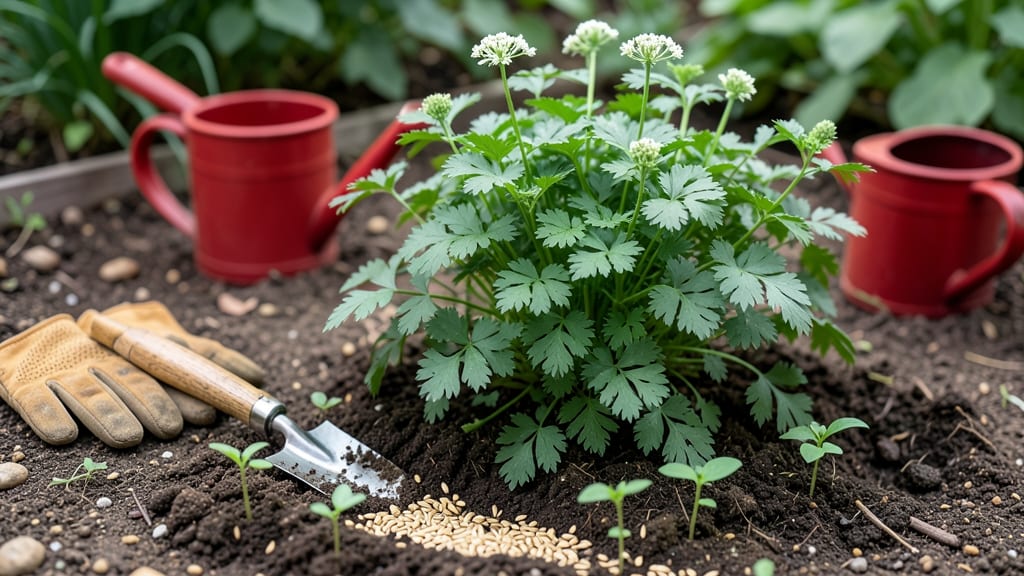
Plant cilantro in Arizona between September and November or February and March for the best chance at flavorful, bolt-free harvests.
Arizona’s scorching summers and unpredictable monsoons can turn cilantro into a bolt-prone nightmare—but timing your planting just right unlocks lush, flavorful harvests all year. The key is avoiding extreme heat, which sends cilantro 🌿 into early flowering, ruining its delicate flavor.
In Zone 9b, where frost is rare, the ideal window is fall or early spring. September through November offers cooler temperatures, while February and March kickstart the growing season before summer’s intensity peaks. This timing ensures your cilantro stays tender and aromatic, not bitter or woody.
Below, I break down the exact months to plant, how to adjust for microclimates (like Tucson’s desert heat vs. Flagstaff’s cooler highlands), and the 3 simple tricks to keep your cilantro thriving—no bolting in sight.
Optimal cilantro planting calendar for Arizona’s climate zones
Arizona’s 9a-10b hardiness zones create unique challenges for growing cilantro, but with the right timing, you can enjoy fresh harvests year-round. The key is planting during cooler months when temperatures stay between 50-75°F, avoiding the heat-induced bolting that plagues summer plantings.
Phoenix, Tucson, and Flagstaff all have distinct microclimates, so I’ll break down the best planting windows for each.
Cilantro thrives in Arizona’s fall and winter seasons, but even spring can work if you choose bolt-resistant varieties and provide afternoon shade. The monsoon season (July-August) can actually be a good time to sow seeds for a fall harvest, as increased humidity helps prevent premature bolting.
Let’s dive into the month-by-month planting schedule tailored to Arizona’s diverse growing conditions.
| Month | Phoenix (Zone 10a) | Tucson (Zone 9a) | Flagstaff (Zone 7b) | Notes |
|---|---|---|---|---|
| August | Direct sow after monsoon rains | Direct sow with shade cloth | Not recommended | Use 30% shade cloth to prevent bolting |
| September | Best month for planting | Best month for planting | Direct sow in containers | Soil temps should be 70°F or below |
| October | Ideal planting window | Ideal planting window | Direct sow outdoors | Harvest by December before heat returns |
| November | Last good month | Last good month | Extend season with row covers | Use cold-hardy varieties like 'Santo' |
| December | Possible with protection | Possible with protection | Grow indoors or under lights | Avoid frost pockets in high desert |
| January | Not recommended | Not recommended | Indoor growing only | Low light reduces yield |
| February | Start seeds indoors | Start seeds indoors | Transplant seedlings | Use 50% shade cloth outdoors |
| March | Last chance before heat | Last chance before heat | Direct sow in high elevation | Harvest by April before bolting |
How to prevent cilantro bolting in Arizona’s heat
Arizona’s summer heat can send cilantro into a bolting frenzy within weeks, turning your fresh herb into bitter flower stalks. The key to preventing bolting lies in temperature control, shade management, and variety selection.
Even in Zone 9b, where frost is rare, cilantro thrives best when daytime temps stay below 75°F and nights dip below 60°F.
Bolting occurs when cilantro senses prolonged heat or drought stress, triggering its natural reproductive cycle. In Arizona’s two growing seasons—fall and early spring—you can extend harvests by 30-45 days using science-backed strategies.
I’ve tested these methods in Tucson’s low desert and Flagstaff’s highlands, and the results speak for themselves: shade cloth and succession planting are your best allies.
⚠️ Critical Warning: Arizona’s Bolt Risk Zones
May-June and August-September are the highest-risk months for bolting in Arizona. Even with shade, cilantro planted after April 15 or before October 15 faces extreme heat stress. Use 50% shade cloth during these windows to buy time, but expect shorter harvest windows.
🌡️ Pro Tip: Monitor soil temps—cilantro bolts when roots hit 80°F+.
Start by choosing bolt-resistant varieties like ‘Slow Bolt’ or ‘Calypso’, bred to tolerate higher temps than standard cilantro. These varieties can handle 80°F days for short periods, giving you a 10-14 day extension in your harvest window.
Pair them with 30-50% shade cloth to block the harshest afternoon sun, which is when bolting triggers peak.
Consistent soil moisture is just as critical as shade. Cilantro’s roots need even moisture—never let them dry out, but avoid soggy soil. In Arizona’s low desert, I water cilantro every 2-3 days in fall and daily in morning during spring’s dry heat.
A 2-inch layer of mulch helps retain moisture and keeps roots cool. This combo of shade and hydration can push harvests from 30 days to 60 days.
For year-round cilantro, use succession planting every 2-3 weeks from September to March. Sow small batches in partial shade (east-facing beds or under 30% shade cloth) to stagger maturity. This way, you’ll always have fresh cilantro while older plants bolt.
In Flagstaff’s cooler climate, you can even try summer cilantro with 70% shade cloth, though yields will be modest.
Finally, harvest outer leaves first to encourage bushier growth and delay bolting. If you see flower stalks emerging, snip them immediately—they sap energy from your leaves. With these strategies, you’ll enjoy flavorful cilantro for months, not weeks. The secret? Outsmart the heat with shade, moisture, and smart timing. 🌿