
Plants
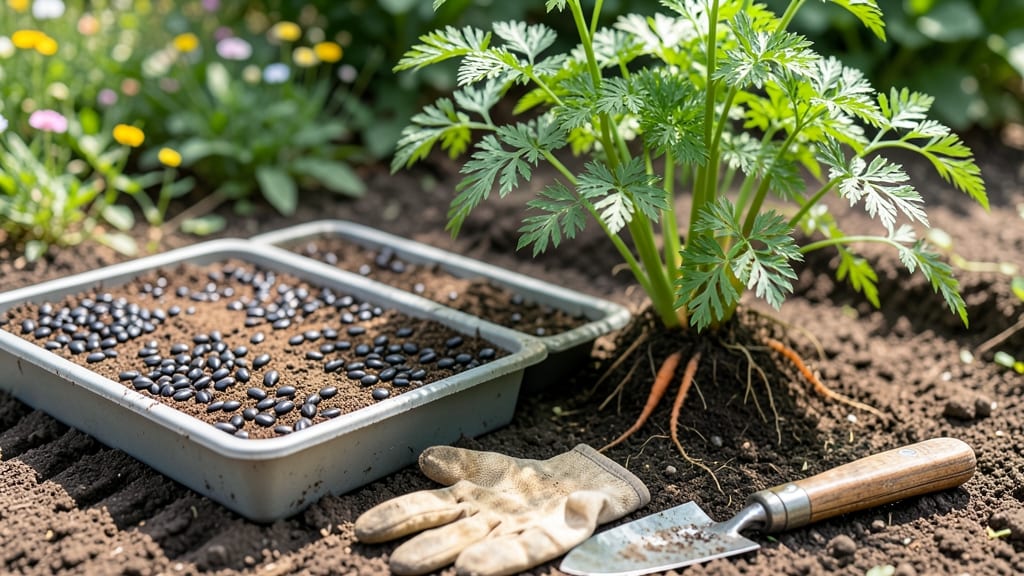
Planting carrot seeds in Zone 7 at the right time means the difference between a sweet, crisp harvest and bitter, stringy roots that bolt before you can enjoy them.
Bolting carrots before harvest is every gardener’s nightmare—but timing your planting in Zone 7 can prevent this wasteful problem while ensuring a bountiful, sweet harvest. The key? A precise frost-free window that balances soil warmth and daylight.
In Zone 7, early spring (March–April) and late summer (July–August) are your best bets. Too early, and cold soil stunts growth; too late, and heat triggers flowering. I’ll break down the exact dates, soil temps, and daylight rules to keep your 🥕 roots growing straight and delicious.
You’ll also learn how to stretch your harvest season with succession planting, plus the one trick that saves late-season crops from bolting—even in Zone 7’s unpredictable fall.
Optimal carrot planting windows in Zone 7 to avoid bolting
Carrots in Zone 7 thrive when planted during specific frost-free windows that align with soil temperatures between 50–65°F. Outside these ranges, your seeds risk bolting—flowering prematurely—before you can harvest crisp, sweet roots.
The key is balancing daylight hours and soil warmth to keep your carrots focused on root growth, not flowering.
In Zone 7, you have three primary planting windows: early spring, late summer, and even winter for cold-hardy varieties. Each window requires different adjustments to avoid bolting, especially as daylight stretches longer in summer or shortens in winter.
Let’s break down the exact timing, soil prep, and microclimate tweaks for your region.
⚠️ CRITICAL NOTE: Northern Zone 7 (e.g., Roanoke, VA) has cooler microclimates with later last-frost dates (April 15), while southern Zone 7 (e.g., Atlanta, GA) warms up faster (March 1). Adjust your planting dates 1–2 weeks earlier in southern areas to match soil temperatures.
For early spring plantings, aim to sow seeds when soil temperatures consistently reach 50°F—this typically lands in mid-March to early April in most of Zone 7. Use a soil thermometer to confirm; planting too early in cold soil can stunt germination.
If your area has late frosts (like northern Zone 7), opt for slow-bolting varieties like 'Danvers' or 'Nantes' and protect seedlings with frost cloth.
In late summer, the challenge shifts to longer daylight hours (14+ hours), which trigger bolting. To counteract this, choose short-day varieties and sow seeds in partial shade (e.g., under a 30% shade cloth) to reduce light exposure.
Water deeply every 2–3 days to keep soil cool and prevent stress-induced flowering.
If you’re experimenting with winter plantings, focus on cold-hardy varieties like 'Purple Haze' or 'Blackspan' and plant in November after the first frost. Mulch heavily with straw or leaves to insulate roots, and harvest before soil warms in late winter.
This method extends your harvest into early spring when fresh carrots are scarce.
Pro tip: Succession plant every 2 weeks during your chosen window to ensure a steady supply. For example, if you plant March 1, March 15, and April 1, you’ll have carrots ready to harvest from May through October without gaps.
This strategy also dilutes the risk of bolting, as staggered plantings spread out the stress on your soil and seedlings.
One final adjustment for microclimates: Coastal areas in Zone 7 (e.g., Savannah, GA) may have warmer winters and cooler summers due to ocean breezes. In these spots, push spring plantings to late March and delay summer sowings until mid-August to avoid heat stress.
Inland areas, meanwhile, can plant 1–2 weeks earlier thanks to faster soil warming.
By mastering these three planting windows and their unique requirements, you’ll transform bolting from a frustrating risk into a predictable harvest. Start with one window this season, then expand next year—your future self (and your dinner table) will thank you! 🥕
How to extend your carrot harvest season in Zone 7 without risking bolting
Carrots in Zone 7 can be a gardener’s delight—if you time it right. The secret to a longer harvest lies in succession planting and protective techniques that shield roots from heat stress and early frosts.
By staggering plantings and using simple tools like cold frames or shade cloth, you can enjoy fresh carrots from spring through fall without the dreaded bolting.
Bolting happens when carrots sense long daylight hours or temperature swings, triggering them to flower instead of growing roots. In Zone 7, this risk peaks in late summer when days stretch longer.
But with the right strategies, you can delay bolting and keep your crop productive for weeks longer than the average gardener.
- Plant in 3 cycles: Start with early spring (March), then late spring (May), and finally early summer (July) for staggered harvests.
- Choose bolting-resistant varieties: 'Danvers Half Long' (slow to bolt) or 'Nantes' (sweet and tender) outperform standard types in heat.
- Use shade cloth (30-50%) in late summer to reduce daylight exposure and delay bolting by 2-3 weeks.
- Cold frames or row covers: Extend fall harvests by 4-6 weeks by protecting plants from early frosts (use until soil temps drop below 40°F).
- Space seeds precisely: Sow 1/4" deep, 2-3" apart to prevent overcrowding, which stresses plants and triggers bolting.
- Water deeply in morning: 1 inch per week keeps soil consistently moist, reducing heat stress that causes bolting.
- Harvest in stages: Pull smaller roots first (50-60 days) to encourage larger ones to mature without bolting.
For late-season success, focus on shade cloth during July-August when daylight hours peak. A 30% shade cloth reduces light intensity just enough to delay bolting while still allowing photosynthesis. Secure it 3 feet above plants to avoid trapping heat—this keeps soil temps stable and roots growing.
Cold frames are another game-changer for fall harvests. By late September, when nights grow chilly, a clear plastic frame (or even a wooden box with plexiglass) can add 5-10°F of warmth.
Plant 'Paris Market' carrots (small, sweet, and cold-hardy) under these conditions for harvests until November. Just remember to ventilate daily to prevent condensation buildup.
Variety selection matters just as much as timing. 'Danvers Half Long' is my top pick for extended harvests—it tolerates cooler soils and resists bolting better than standard varieties.
For summer plantings, try 'Nantes', which stays sweet and crisp even in 85°F+ temperatures. Avoid 'Chantenay' for late-season use; it bolts quickly when days lengthen.
Pro tip: Mulch heavily with straw or shredded leaves to maintain even soil moisture. Fluctuations in water levels stress carrots, making them more prone to bolting.
And if you notice tall, leggy tops or yellowing leaves, act fast—shade the area immediately with a lightweight row cover to buy time for harvest.