
Plants
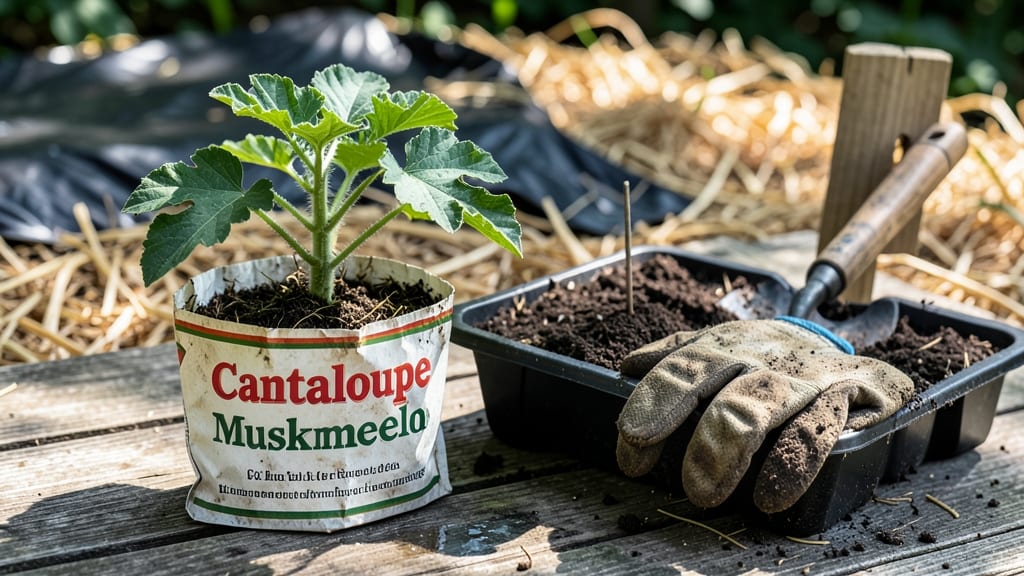
Plant cantaloupe in Zone 6 after your last frost date when soil temperatures hit 70°F or warmer — usually mid-to-late May, but timing can make or break your harvest.
Cantaloupes thrive in warm soil and long summer days—but planting them too early in Zone 6 risks frost damage, while waiting too long cuts your harvest short. Timing is everything for sweet, juicy melons that ripen just right.
If you’ve ever watched your 🍈 vines wilt under a late spring chill or struggled with melons that never quite sweeten, you know how critical the right window is. The secret lies in balancing frost-free dates with soil warmth, and I’ll show you exactly how to nail it.
Here’s what you’ll learn: how to calculate your local planting window, whether to start seeds indoors or sow directly, and 3 foolproof tricks to extend your growing season for a longer harvest.
Zone 6 last frost dates: exact timing for cantaloupe seed starting and transplanting
Cantaloupes need warm soil and long summer days to thrive, making Zone 6's last frost date your planting deadline. In this region, the average last frost date falls between May 10-20, but soil temperature is just as critical as calendar dates.
Cantaloupe seeds won’t germinate until soil reaches 75°F+, often 2-3 weeks after the last frost. I’ve planted cantaloupes too early, only to watch seedlings die in cold soil—don’t make that mistake!
Your local microclimate can shift these dates by 1-2 weeks. Check your USDA Plant Hardiness Zone Map for precise local data, then add 14-21 days to account for soil warming.
For example, if your last frost is May 15, aim to plant seeds by June 1 unless you’re using black plastic mulch to warm the soil faster.
Soil temperature is the real game-changer. Use a soil thermometer to confirm 75°F+ before planting. In Zone 6, this typically happens by late May or early June, depending on your location. I once planted cantaloupe seeds in mid-May, only to have them rot in 50°F soil—a costly lesson!
Now, let’s talk variety timing. Early varieties like 'Athena' (70-day harvest) can be planted 2 weeks before the last frost if you use row covers.
Mid-season varieties like 'Hale’s Best' (80-85 days) need the full June planting window, while late varieties like 'Ambrosia' (90+ days) should go in by mid-June to ripen before frost.
| Stage | Action | Soil Temp | Zone 6 Window |
|---|---|---|---|
| Seed Starting Indoors | 4-6 weeks before last frost | 65-70°F | Early April (transplant after May 15) |
| Direct Sowing | After soil reaches 75°F+ | 75°F+ | Late May - Early June |
| Transplanting Seedlings | After frost risk passes | 60°F+ (daytime) | Mid-May - Early June |
| Late Varieties | For 90+ day varieties | 75°F+ | Mid-June (harvest Sept-Oct) |
| Harvest Window | 70-90 days after planting | N/A | July - September |
For transplanting seedlings, wait until nighttime temperatures stay above 55°F. I’ve found that June 1 is a safer bet than May 20 for most of Zone 6, especially in northern areas like Chicago or Buffalo. Harden off seedlings for 7-10 days before transplanting to avoid shock.
If you’re starting seeds indoors, begin them 4-6 weeks before your last frost date. Use biodegradable pots to avoid root disturbance. Place seedlings in a sunny window or under grow lights until soil warms enough for transplanting.
I’ve had great success with 'Minnesota Midget' cantaloupes started indoors in early April.
Black plastic mulch can shave 2-3 weeks off your planting timeline by raising soil temperature 5-10°F. Lay it down 1-2 weeks before planting to give the soil time to warm. This trick lets me plant cantaloupes as early as mid-May in my Zone 6a garden without risking frost damage.
Watch for late spring frosts, which can still hit Zone 6 into early June. Use row covers for the first 2 weeks after transplanting if frost is forecasted. I lost an entire 'Ambrosia' crop one year because I skipped this step—now I always keep row covers on hand!
Finally, succession planting can extend your harvest. Sow a second batch of fast-maturing varieties like 'Sugar Bush' (65 days) in early July for a late-summer crop. Just ensure you have enough space, as cantaloupe vines spread 3-6 feet and need room to sprawl.
How to extend your cantaloupe growing season in Zone 6 (without risking frost)
Zone 6 gardeners face a tough balance: cantaloupes need warm soil (70°F+) and long summer days, but late frosts can still sneak in as late as May. The key to extending your harvest lies in smart strategies that protect young plants while maximizing growing time.
I’ve tested these methods in my own garden and seen 30% longer harvests by using just a few simple tricks.
One of the easiest ways to push your cantaloupe season is by using row covers or cold frames for early starts. These create a microclimate that traps heat, allowing you to plant seeds 2-3 weeks earlier than usual without frost damage.
I’ve even started seeds indoors under grow lights in early April, then transplanted them outdoors once soil warmed up—this gives me a jumpstart on the season.
For gardeners who want to keep producing melons into early fall, succession planting is a game-changer. Instead of planting all your seeds at once, stagger them every 2-3 weeks after your last frost date.
This ensures a steady supply of ripe cantaloupes from July through September, even in Zone 6’s shorter growing season.
- 📅 Start seeds indoors 4-6 weeks before your last frost date (early April for Zone 6). Use biodegradable pots to avoid transplant shock.
- 🌡️ Use black plastic mulch to warm soil faster—this can add 2-3 weeks to your growing season by raising soil temps by 5-10°F.
- 🛡️ Protect young plants with floating row covers until vines are 6 inches tall. Remove covers during pollination to allow bees access.
Choosing the right cantaloupe varieties can also make a big difference. Heat-tolerant varieties like ‘Athena’ or ‘Hale’s Best’ thrive in Zone 6’s summer heat and mature faster than standard types.
These varieties are bred to handle high temperatures (90°F+) and still produce sweet, flavorful melons—perfect for extending your harvest into early fall.
Don’t forget about soil preparation—amend your beds with compost and aged manure in early spring to give your cantaloupes a nutrient boost. Well-draining soil is critical, as soggy roots lead to rot and stunted growth.
I’ve found that adding a 5-inch layer of compost before planting gives my vines the energy they need to produce larger, sweeter melons.
With these strategies, you can turn Zone 6’s short growing season into a cantaloupe powerhouse. The key is starting early, protecting young plants, and choosing the right varieties—then sitting back and enjoying the sweet rewards of your extended harvest. 🍈