
Plants
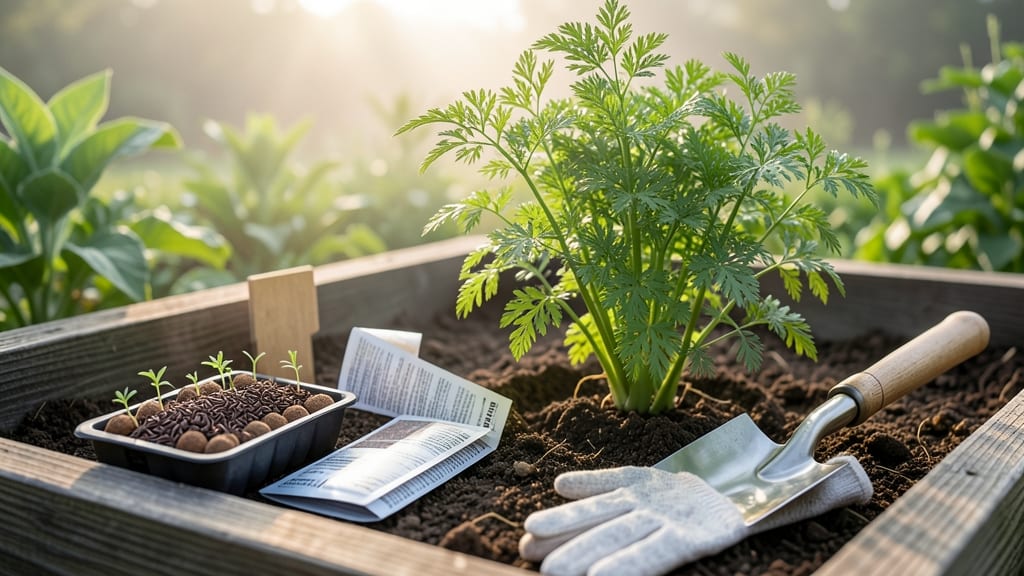
To plant carrots in Zone 5b, aim for 4-6 weeks before your last frost date—typically mid-March to early April—when soil temperatures hit 50°F.
Struggling to grow perfectly crisp carrots in Zone 5b? Timing is everything—plant too early and risk frost damage, too late and miss peak harvest season. Here’s the exact planting schedule (and bonus tips) to ensure a bountiful harvest every year.
Zone 5b’s short growing season means you’ll want to focus on early spring and late summer plantings for the sweetest roots. The key is loose, well-drained soil—carrots 🥕 hate compacted earth—and a spot with full sun for at least 6 hours daily.
Inside, you’ll find the precise weeks to start seeds indoors (if you prefer), how to stretch your harvest with succession planting, and the one mistake that causes forking in 90% of Zone 5b gardens.
Zone 5b carrot planting timeline: exact weeks before last frost for success
If you're growing carrots in Zone 5b, timing is the secret weapon for crisp, sweet roots. Plant too early and risk frost damage to tender seedlings, but wait too long and miss the perfect harvest window.
The ideal planting window starts 4-6 weeks before your last frost date—typically mid-March to early April in most of Zone 5b. For a second harvest, aim for late July to early August to enjoy fall carrots before winter sets in.
Carrot seeds need soil temperatures of at least 50°F (10°C) to germinate reliably. In Zone 5b, this usually means waiting until after March 15th unless you use black plastic mulch to warm the soil faster.
Cold soil slows germination and can lead to rot. Always check your local last frost date—it can vary by 1-2 weeks even within Zone 5b.
Here’s your customizable planting countdown: subtract 50-60 days from your last frost date to determine the perfect start date. For example, if your last frost is April 15th, plant between February 15th and March 5th.
Use this as your baseline, then adjust for early or late frosts in your microclimate.
For spring plantings, I recommend starting seeds indoors 4-6 weeks before your last frost if you’re using transplants, but direct sowing is easier for carrots. Scatter seeds ¼ inch deep in rows spaced 12 inches apart—they’ll germinate faster in warm soil.
If you’re planting in February, use a cold frame or cloche to protect seedlings from late frosts.
Zone 5b’s short growing season (about 160 frost-free days) means you’ll need to plan for a second planting in late summer. Aim for July 15th-August 5th to ensure carrots mature before the first frost in mid-October.
This second crop often tastes sweeter because of cooler fall temperatures. Choose short-season varieties like 'Paris Market' or 'Early Nantes' for faster harvests.
One common mistake in Zone 5b is planting too close to the last frost date. Carrots need 60-80 days to mature, so if you plant in late April, you’ll likely harvest in late June—just as summer heat stresses the plants.
Instead, plant in early April for a June-August harvest, or go for the late July planting for fall roots.
To maximize your harvest, consider succession planting every 2 weeks from March to July. This ensures a steady supply of fresh carrots without overwhelming your garden at once.
For example, plant March 1st, March 15th, April 1st, and April 15th for a staggered harvest from June through September. Always thin seedlings to 2-3 inches apart to prevent forked roots.
If you’re unsure about your last frost date, check your USDA Plant Hardiness Zone Map and ask local gardeners—they’ll know if your area tends toward early or late frosts.
For example, Chicago averages a last frost around April 20th, while Denver sees it around April 15th. Adjust your planting schedule accordingly to avoid frost damage.
Finally, remember that carrots thrive in loose, stone-free soil. Work in compost before planting to improve drainage and prevent forking. If your soil is heavy clay, consider growing carrots in raised beds
How to extend your carrot harvest season in Zone 5b: succession planting guide
Zone 5b gardeners face a unique challenge: short growing seasons and unpredictable frosts. But with succession planting, you can enjoy fresh carrots 🥕 from early summer through late fall. The secret? Staggered plantings every 2-3 weeks during the ideal window—March through August.
Start your first batch 4-6 weeks before your last frost date (typically mid-March). Then, repeat plantings every 10-14 days until early August. This ensures a continuous supply without overwhelming your harvest at once.
- 🌱 First planting: March 15-30 (soil temp 50°F+)
- 🌿 Succession plantings: Every 2-3 weeks until August 1
- 🍂 Final planting: July 15-30 (harvest before frost)
- ✂️ Thin seedlings: To 2-3 inches apart when 2" tall
- 🥕 Harvest window: 60-85 days after planting
For Zone 5b’s short season, choose fast-maturing varieties like 'Early Nantes' (58 days) or 'Paris Market' (55 days). These varieties thrive in cooler temps and deliver crisp roots before winter sets in.
Companion planting is another game-changer. Pair carrots with onion, leek, or rosemary to deter pests like carrot flies. Avoid planting near dill or parsley, which attract the same pests and can reduce your yield.
To maximize space, use raised beds or containers. Carrots need deep, loose soil—at least 12 inches deep—to prevent forking. Mix in compost before planting to improve drainage and nutrient availability.
Don’t forget to mulch around your carrots with straw or shredded leaves. This keeps soil moist, suppresses weeds, and protects young plants from late frosts. With these strategies, you’ll enjoy a steady supply of homegrown carrots all season long! 🌿