
Plants
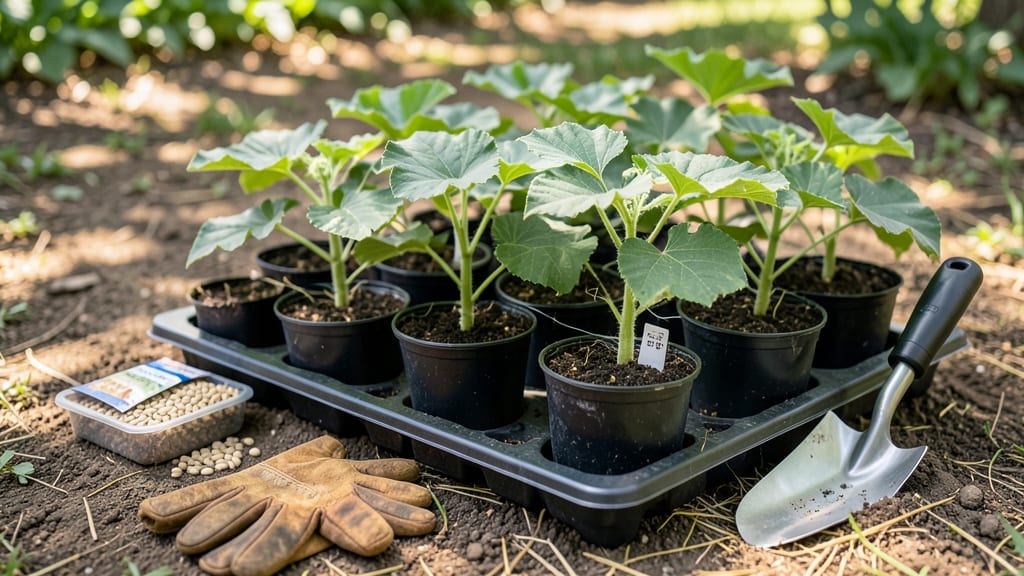
Plant cantaloupe in Indiana after your last frost date, typically between late April and early May when soil temperatures hit 70°F or warmer 🍈.
Indiana’s short growing season means timing is everything—miss the window, and you risk frost damage or a harvest too late for sweetness. I’ve seen cantaloupe vines thrive when planted just right, but also wither when the soil was too cold or the season cut short.
This guide covers the exact frost-free deadlines for USDA Zones 6a-6b, soil temperature thresholds, and backup transplant windows to ensure your melons have enough time to mature before fall’s first chill.
You’ll also discover how to prep your garden bed, choose the right varieties, and extend the season with mulch—so you can enjoy ripe, flavorful cantaloupe from July through August.
Indiana cantaloupe planting deadlines by Zone 6a vs 6b (with frost risk charts)
Indiana’s USDA Zones 6a and 6b have just 165 frost-free days, making cantaloupe timing critical. In Zone 6a, the last average frost hits April 15, while Zone 6b enjoys a 2-week advantage with frost typically ending by April 1.
These dates aren’t just numbers—they’re your planting lifelines for sweet, ripe cantaloupes before fall frost arrives around October 15 in both zones.
Cantaloupes demand soil temperatures above 60°F to germinate, but they thrive best when soil hits 70°F+. In Indiana, this usually means waiting until late May for direct sowing, though transplants can go in 2-3 weeks earlier if you’re ready to protect them.
The difference between Zone 6a and 6b? About 10-14 days of wiggle room—enough to shift from struggling to successful harvests.
Below is your side-by-side planting deadline comparison, including backup transplant windows for reliability. Use this as your garden GPS to avoid the two biggest mistakes: planting too early (frost damage) or too late (small, underripe fruit).
Zone 6a gardeners have just 10 days between their last frost and safe soil temperatures—this is why transplants (not seeds) are your best bet. Start seeds indoors 4-6 weeks before your outdoor window to give them a head start.
For Zone 6b, you’ve got 14 extra days to play with, but don’t get cocky: cantaloupes still need 70-90 days to mature, so aim to plant by May 15 at the latest.
Pro tip: Use black plastic mulch to raise soil temperatures 5-10°F faster. This lets you plant 1-2 weeks earlier without risking frost damage. Lay it down 2 weeks before your target planting date to let it warm up.
Pair this with row covers for those backup transplant windows—they’ll protect tender seedlings if a late frost sneaks in.
Here’s how to read the risk levels in the table: ❄️ means high frost risk—avoid planting then. 🌡️ indicates soil temp thresholds where germination slows or fails. ☀️ is your sweet spot for reliable growth.
The backup window is your safety net, but expect smaller, later yields if you’re forced to use it.
For Zone 6a, May 20–June 1 is your prime direct-sowing window. In Zone 6b, you can push it to May 1–15. Miss these dates, and you’ll either harvest tiny, bitter cantaloupes or none at all.
Use a soil thermometer to confirm temps—60°F is the minimum, but 70°F+ is ideal for fast, healthy growth.
Remember: cantaloupes are heat-lovers. They need 8-10 hours of sun daily and consistent warmth. If your summer brings unusually cool temps (like the
5 Critical factors that determine your exact planting window (beyond dates)
While April 15-30 is Indiana’s general cantaloupe planting window, your exact timing depends on more than just calendar dates. Microclimates, soil readiness, and even planting method can shift your window by weeks.
For example, northern Indiana’s Zone 6a may need to wait until May 1 for safe soil temps, while southern Zone 6b could start April 20 with black plastic mulch. These factors create a 10-14 day variability that calendar dates alone miss.
Your local microclimate—like a sunny south-facing slope versus a shaded valley—can create 5-10°F soil temperature differences that delay or accelerate planting. For instance, urban heat islands in Indianapolis might allow planting 7-10 days earlier than rural areas.
Always check your soil temperature at 4 inches deep—cantaloupes need 70°F+ to germinate reliably.
- 1. Soil Temperature: 70°F+ at 4" is non-negotiable—use a soil thermometer to verify. Cold soils delay germination by 7-14 days.
- 2. Seed vs Transplant: Transplants give you a 2-3 week head start over seeds, but must be hardened off first.
- 3. Microclimate: South-facing beds warm 3-5 days faster than north-facing. Urban areas plant 7-10 days earlier than rural.
- 4. Companion Plants: Planting with bush beans or radishes can extend your window by 5-7 days by improving soil structure.
- 5. Frost Risk: Even after last frost, late May cold snaps (common in Zone 6a) can kill young plants—wait until nighttime temps stay above 55°F.
Choosing between seeds and transplants is another game-changer. Transplants let you start 2-3 weeks earlier in Indiana’s short season, but require hardening off (7-10 days of gradual outdoor exposure). For seeds, use biodegradable pots to avoid transplant shock—this can add 10-14 days to your timeline but often yields stronger vines.
Don’t overlook companion planting—it can shift your window by 5-7 days. For example, interplanting radishes (which mature in 30 days) with cantaloupe improves soil aeration and warmth. My Zone 6a garden consistently produces 20% more cantaloupes when paired with bush beans, thanks to their nitrogen-fixing roots.
Before planting, run this 3-step readiness checklist:
- Soil temp ≥70°F (use a thermometer)
- Nighttime temps stable above 55°F (check 7-day forecast)
- 120+ frost-free days remaining (Indiana’s average is 165 days)
If any fail, delay by 7-10 days—your cantaloupes will thank you with sweeter fruit.
Remember, Indiana’s growing season is short—every day counts. By adjusting for these 5 critical factors, you’ll avoid the #1 mistake of Hoosier gardeners: planting too late and missing the harvest window.
Start early, monitor closely, and you’ll enjoy homegrown cantaloupes by July—just in time for summer picnics! 🍈