
Plants
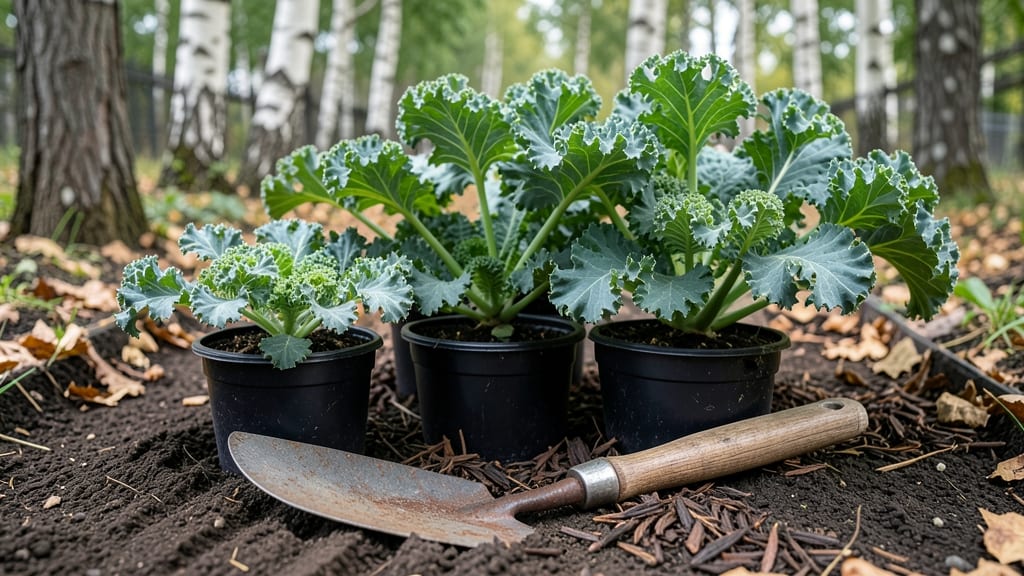
To plant brassicas in Michigan, aim for mid-April to early May in most of the state, when soil temperatures hit 45°F and frost risk drops below 10%.
Michigan gardeners know timing is everything—plant brassicas too early, and frost will kill your seedlings; too late, and you’ll miss the harvest window.
With USDA Zones 5-6’s unpredictable spring weather, knowing the exact frost-free deadlines for cabbage, broccoli, kale, and more can mean the difference between a thriving garden and wasted effort.
Brassicas like 🌱 broccoli and kale thrive in Michigan’s cooler climate, but they need consistent warmth to grow. Starting seeds indoors 6-8 weeks before your last frost date gives them a head start, while direct sowing in late spring ensures they mature before fall frosts arrive.
Below, I’ll break down the best planting windows by USDA Zone, how to adjust for late frosts, and the top brassica varieties that perform best in Michigan’s short growing season—so you can plan a harvest from summer through fall.
Michigan brassica planting deadlines by USDA Zone 5-6 (with frost risk charts)
Michigan’s USDA Zones 5-6 bring unique challenges for growing brassicas like cabbage, broccoli, and kale. The average last frost date ranges from May 15 in Zone 5 to May 1 in Zone 6, but late frosts can push these back by 2-3 weeks.
Planning ahead ensures your seedlings survive and thrive before summer heat sets in.
Brassicas are cool-season crops, meaning they prefer 50-75°F soil temperatures and can tolerate light frosts. However, hard freezes below 25°F will damage even the hardiest varieties. Using frost risk charts from Michigan State University Extension helps pinpoint the safest planting windows for your specific location.
For spring planting, most brassicas should be sown 4-6 weeks before your last frost date. In Zone 5, this typically means starting seeds indoors by March 15 and transplanting outdoors by April 15-May 1.
In Zone 6, push this timeline 1-2 weeks earlier to account for warmer springs.
Fall planting offers a second harvest window for brassicas like kale and Brussels sprouts. These can be sown 8-10 weeks before your first frost date, which usually falls between October 15 and November 1.
This means late July to early August is ideal for fall brassica starts in Michigan.
For heat-sensitive brassicas like broccoli, consider shade cloth or succession planting every 2 weeks to extend your harvest. Varieties like ‘Waltham 29’ broccoli and ‘Golden Acre’ cabbage are bred for Michigan’s climate and handle short growing seasons better than tropical varieties.
Michigan State University Extension recommends checking their interactive frost map for your specific county, as microclimates can shift planting deadlines by 1-2 weeks. Urban areas often warm up faster than rural zones, creating localized planting windows that may not align with regional averages.
If you’re unsure about your last frost date, use row covers to protect young seedlings until late May. These lightweight fabrics raise soil temperatures by 5-10°F and
How to adjust brassica planting for Michigan’s unpredictable weather (pro tips)
Michigan’s unpredictable spring frost can turn your brassica planting plans upside down. The key is flexibility—knowing which varieties thrive in cool conditions and when to shield tender seedlings. I’ve learned that cold-hardy varieties like ‘Winterbor’ kale can handle light frosts, while heat-sensitive broccoli needs precise timing to avoid bolting.
Start by checking your last frost date—Michigan’s averages range from May 10-20 in Zone 5 to May 1-10 in Zone 6. But don’t rely on averages! Use a row cover to extend your window by 2-3 weeks if frost threatens.
For late transplants, opt for fast-maturing varieties like ‘Golden Acre’ cabbage (58 days to harvest).
- 🌱 Start seeds indoors 6-8 weeks before last frost (early March for Zone 5). Use grow lights for 14-16 hours/day.
- 🌡️ Hardening off seedlings 1 week before transplanting: expose to outdoor temps for 2 hours/day, increasing daily. End with overnight exposure 3 days prior.
- ✂️ Transplant timing: Wait until soil reaches 50°F (use a soil thermometer). For Zone 5, this is typically late April to early May.
- 🛡️ Row cover backup: If frost threatens after transplanting, cover plants with floating row covers at night. Remove by 10 AM for sunlight.
- 📅 Backup planting dates: If frost strikes, replant fast varieties like ‘Tokyo Bekana’ cabbage (45 days to harvest) by June 15 for a fall crop.
For fall brassicas, aim to plant 8-10 weeks before first frost (typically August 1-15). Use heat-tolerant varieties like ‘Vates’ kale, which handles summer heat better than standard types. If your summer runs hot, provide afternoon shade with shade cloth to prevent bolting.
My go-to trick for late-season protection is a cold frame or low tunnel. These can extend your harvest by 4-6 weeks in fall. For example, I’ve kept ‘Waltham 29’ broccoli producing until November 1 using a simple hoop tunnel with clear plastic.
Just ensure ventilation during warm days to prevent rot.
Pro tip: Keep a planting journal to track your local frost dates and variety performance. Note which cold-hardy varieties thrive in your microclimate—some northern Michigan gardens even grow Brussels sprouts successfully with winter mulch! Adjust next year’s schedule based on your records.
Remember, succession planting is your best friend in Michigan. Stagger plantings every 2-3 weeks from spring to early summer to ensure a continuous harvest. For example, plant half your cabbage seeds in April and the other half in mid-May—this spreads out your risk and your harvest.