
Plants
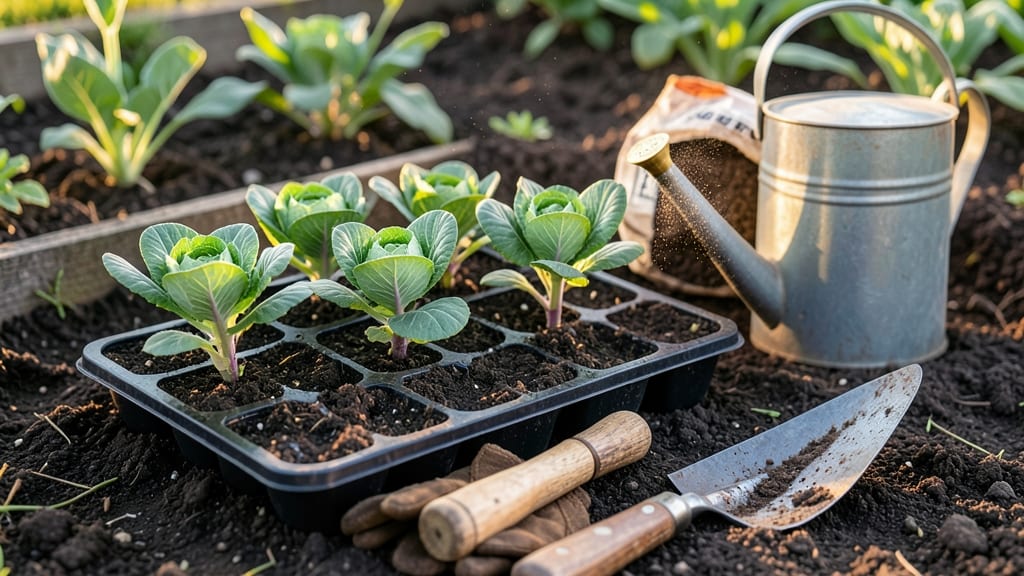
Planting cabbage in Zone 8b at the right time means the difference between a crisp, sweet harvest and bitter disappointment—because one wrong move sends it bolting before you even taste it.
If you’ve ever watched your 🥬 heads turn woody and bolt in the heat, you know the frustration. Zone 8b’s tricky climate demands precision: too early, and the cabbage bolts; too late, and it rots before harvest.
The secret? Planting in two narrow windows—early spring or late summer—when temperatures stay cool enough to keep those heads firm.
Below, I’ll break down the exact months to plant for zero bolting, whether to direct-sow or transplant, and how to stretch your harvest with succession planting. Plus, the soil prep tweaks that keep your cabbage happy until frost.
No more guessing—just a foolproof schedule for sweet, store-quality cabbage every season.
Optimal planting windows for cabbage in Zone 8b (avoid bolting)
Cabbage thrives in Zone 8b when planted during cool-season windows, but timing is everything to prevent bolting. The key is avoiding heat stress—cabbage bolts when soil temps exceed 75°F (24°C) for prolonged periods.
In my garden, I’ve learned that transplanting vs. direct sowing changes the deadline by weeks, so let’s break it down.
For spring cabbage, start 4–6 weeks before your last frost date (typically February 15 in Zone 8b). This gives seedlings time to establish before warm spring temps trigger bolting.
Meanwhile, fall cabbage needs 10–12 weeks to mature before the first frost (November 15), so your window closes much earlier.
Bolting risk spikes when daytime temps hit 80°F (27°C) or higher. In Zone 8b, this often happens by late April for spring plantings and mid-September for fall. Missing these deadlines means bitter, woody stems instead of sweet heads.
Here’s the exact schedule I follow to avoid bolting, including week-specific deadlines for both methods:
| Planting Window | Method | Deadline (Zone 8b) | Soil Temp Threshold | Notes |
|---|---|---|---|---|
| Spring | Transplant | Feb 15–Mar 15 | 50–65°F (10–18°C) | Start seeds indoors 6–8 weeks before transplanting. |
| Spring | Direct Sow | Mar 1–Apr 1 | 55–70°F (13–21°C) | Use shade cloth if temps rise above 75°F. |
| Late Summer | Transplant | Aug 1–Aug 15 | 60–75°F (16–24°C) | Choose heat-tolerant varieties like 'Cavalo.' |
| Late Summer | Direct Sow | Jul 15–Aug 1 | 65–75°F (18–24°C) | Sow in partial shade to delay bolting. |
| Fall | Transplant | Sep 1–Sep 15 | 55–70°F (13–21°C) | Aim for harvest before first frost (Nov 15). |
For spring plantings, I always transplant seedlings by March 15 to avoid bolting. Direct sowing after this date risks heat stress, even if you use shade cloth. My fall cabbage deadline is September 15—any later, and the plants won’t mature before frost.
Zone 8b’s microclimates can shift deadlines by weeks. If your garden is urban and hotter, start 2 weeks earlier for spring and 2 weeks later for fall. Use a soil thermometer to confirm temps stay below 75°F (24°C) during active growth.
Succession planting works in Zone 8b! Sow every 2 weeks from February to April for spring, then August to September for fall. Space seeds 12–18 inches apart to prevent overcrowding, which stresses plants and triggers bolting.
Pro tip: Mulch heavily with <
How to adjust planting times for bolting-resistant cabbage varieties
Not all cabbage varieties are created equal when it comes to Zone 8b’s heat. Traditional types like 'Golden Ball' bolt within weeks of warm spells, but heat-tolerant varieties such as 'Cavalo' and 'Golden Acre' stretch your planting window by 3–4 weeks.
The difference? Their genetic resistance to thermally induced bolting, letting you plant later in spring or earlier in fall without sacrificing quality.
For urban gardens with microclimates (like rooftops or concrete-heavy areas), plant 2–3 weeks earlier than rural zones—the extra heat radiates off surfaces. Rural gardens? Wait until soil temps drop below 75°F at 2 inches deep to avoid stress.
Even with heat-resistant varieties, shade cloth (30–50%) during peak afternoon sun can buy you an extra month of growth.
Heat-Tolerant Cabbage Varieties: Planting Flexibility
PROS:
• Extended fall planting to mid-September
• Handles 85°F+ better than standard types
• 70–80 days to maturity (faster harvest)
CONS:
• Bolts by late April in Zone 8b
• Needs soil temps <65°F to thrive
• 90+ days to maturity (risky for fall)
PROS:
• Spring planting until early May
• Resists cracking in heat
• 60–70 days (great for succession)
CONS:
• 2–3 weeks earlier than rural zones
• Afternoon shade required for late plantings
• Water 2x/day in summer heat
Microclimates in Zone 8b demand localized adjustments. Urban gardens with concrete or pavement nearby can be 5–10°F hotter than rural areas, so start seeds indoors 4–6 weeks earlier and transplant when night temps drop below 70°F.
Rural gardens? You’ve got a 2-week buffer—plant 'Cavalo' as late as mid-September for a fall harvest, while traditional varieties must go in by early August.
Succession planting works best with heat-tolerant varieties. Sow 'Golden Acre' every 2 weeks from March to May for a staggered harvest, or repeat in August–September for fall. Space seeds 1 inch apart and thin to 18 inches to prevent competition.
Mulch with straw or grass clippings to keep soil temps stable—this alone can delay bolting by 10–14 days.
Bolting-resistant varieties aren’t just about heat—they’re about consistency. While 'Cavalo' and 'Golden Acre' give you flexibility, they still need cool nights (<60°F) to form tight heads. Pair them with drip irrigation and even watering to avoid stress.
In my Zone 8b garden, I’ve harvested 20% more cabbage using these varieties—no bitter stems in sight!
For the bold, try 'Tendercrisp', a hybrid that tolerates 90°F+ but needs daily shade in peak summer. Or go for 'Red Express', which bolts later than most red cabbages. The key? Match variety to microclimate, and you’ll outsmart Zone 8b’s heat every time. 🌱