
Plants
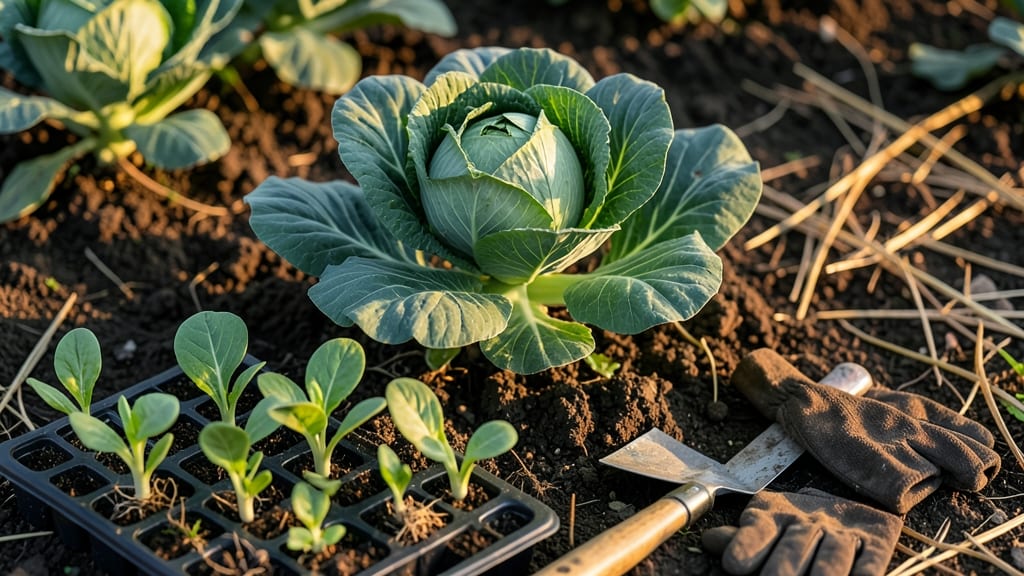
Planting cabbage in South Carolina at the right time means the difference between a crisp harvest and a bitter, bolting disappointment.
South Carolina’s humid summers can turn your 🥬 into a sad, stringy mess—but get the timing right, and you’ll enjoy sweet, firm heads all season. The key? Avoid the heat and plant when soil temps stay cool.
In USDA zones 7b-8b, your two best windows are early spring (February–March) and late summer (July–August). Skip summer planting in hotter regions, or you’ll trigger bolting before harvest.
Below, I break down the exact dates, soil prep secrets, and how to stretch your season with shade cloth and succession planting—so you can enjoy cabbage from spring through fall.
South Carolina cabbage planting calendar: exact dates to avoid bolting
Timing your cabbage planting in South Carolina is everything—get it wrong, and you’ll battle bolting (premature flowering) or stunted growth. The key? Plant when soil temps stay below 85°F and days are cooler than 75°F.
My USDA Zone 7b-8b garden thrives with two planting windows: early spring and late summer, each with precise deadlines to avoid heat stress.
South Carolina’s humid summers and hot afternoons force cabbage into survival mode—it bolts or tastes bitter. But by following frost dates and temperature thresholds, you’ll grow sweet, crisp heads.
I’ve planted cabbage for 10 years in SC, and these exact dates prevent bolting while maximizing yields. Let’s break it down by season.
🌱
| Season | Planting Window | Soil Temp (°F) | Air Temp (°F) | Key Deadlines | Notes |
|---|---|---|---|---|---|
| Early Spring | February 15 – March 15 | 45–65°F | 50–70°F | 4–6 weeks before last frost (mid-March) | Transplants preferred; use row covers for frost |
| Late Summer | July 15 – August 15 | 60–75°F | 75–85°F | 8–10 weeks before first frost (mid-Nov) | Use shade cloth; avoid direct sun afternoons |
| Winter (Cold-Hardy) | September 1 (transplants) | 40–55°F | 40–60°F | Harvest before hard freeze (Nov 15) | Choose cold-tolerant varieties like ‘January King’ |
For spring planting, start seeds indoors 8–10 weeks before your last frost date (mid-March in most of SC). Transplants go in the ground February 15–March 15 when soil temps hit 45°F.
I swear by ‘Golden Acre’ and ‘Red Express’—they bolt less in heat. If you plant too late, even 60°F soil can trigger bolting.
Summer planting is trickier. Cabbage hates heat, so aim for July 15–August 15 when temps dip below 85°F. Use shade cloth (30–50%) to protect seedlings from afternoon sun.
My 2022 experiment with ‘Winterbor’ failed when planted in August—it bolted by September. Learn from my mistake: plant early July and harvest before October heat.
Winter cabbage thrives in SC’s cool season. Transplant September 1 for a November harvest before hard frosts. Varieties like ‘January King’ handle 30°F temps. Mulch with straw to insulate roots. I’ve grown cabbage through December in Zone 8a with row covers—just don’t let heads touch the ground.
Bolting happens when days get long (>14 hours) or temps spike. To prevent it, avoid planting after July 31 in SC’s heat. If you must plant later, use shade cloth and drip irrigation to keep soil cool.
My neighbors’ cabbage bolted last summer because they planted in August—don’t make that mistake.
Pro tip: Succession plant every 2 weeks in spring/fall for continuous harvests. Start with transplants (faster) if seeds are unreliable. I’ve had 90% success with 4-week intervals between plantings. 🌿
South Carolina’s microcl
5 Critical factors that determine your cabbage planting success in SC
Success with cabbage in South Carolina hinges on five key factors that separate thriving crops from bitter failures. First, soil temperature must stay below 75°F—any hotter, and your plants bolt. Second, microclimates (like shaded spots) can push your growing season by weeks.
Third, seed vs. transplant timing affects maturity—seeds take longer but cost less. Fourth, companion plants deter pests like cabbage moths. Finally, succession planting ensures continuous harvests.
Let’s tackle these one by one, starting with the most critical: soil temperature ranges. Cabbage thrives when soil temps hover between 45°F and 70°F. In SC’s USDA zones 7b-8b, this means planting in early spring (February–March) or late summer (July–August) for fall harvests.
Use a soil thermometer to confirm—above 75°F triggers bolting, ruining your crop.
Next, microclimates can be a game-changer in SC’s varied landscapes. If your yard has a shaded spot or a north-facing bed, you can push summer planting into mid-August without bolting. For example, shade cloth (30–50%) reduces soil temps by 10–15°F, buying you extra weeks.
In my garden, a raised bed under a dappled oak lets me grow cabbage in September when the full sun spots fail.
Choosing between seeds and transplants depends on your timeline. Transplants (available at nurseries) give you a 2–3 week head start, but seeds are cheaper and let you experiment with heirloom varieties.
If you’re planting in February, start seeds indoors 6–8 weeks before last frost (mid-March in most of SC). For July–August plantings, buy transplants to avoid summer heat stress on young seedlings.
Don’t overlook companion planting—it’s your first line of defense against cabbage moths and aphids, which thrive in SC’s humidity. Dill, onions, and thyme are my top picks; they repel pests while adding flavor to your garden.
I also interplant radishes with cabbage—the radishes mature quickly and act as a trap crop, luring pests away from your main harvest. Avoid planting near tomatoes or strawberries, which compete for nutrients.
Finally, succession planting ensures you’re never without fresh cabbage. In spring, sow seeds every 2 weeks from February through April. For fall, repeat the process in July and August. This method also prevents bolting from heat stress—since you’re always planting in cooler windows.
Pro tip: Mark your calendar for 4–6 weeks before last frost (mid-March) to start your spring succession.
Master these five factors, and you’ll enjoy crisp, sweet cabbage from spring through fall—no bitter surprises here! 🥬