
Plants
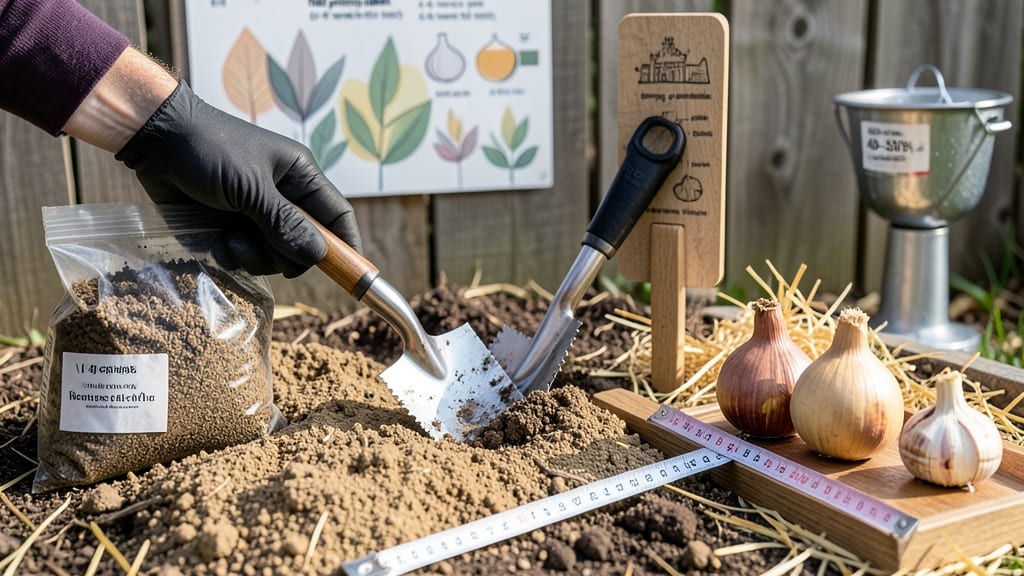
Planting spring flowering bulbs 🌷 in South Carolina happens from September through November—the 6-week window before the first frost is your golden opportunity for perfect blooms.
Miss that window, and you risk bulbs rotting in the ground or blooming too late for the full show. But get it right, and you’ll wake up next spring to a garden bursting with daffodils, tulips, and crocuses—right when SC’s mild winters start to warm up.
Your exact timing depends on your zone (7b–9a) and whether you’re planting classic fall bulbs or summer-flowering varieties. I’ll break down the best months for each, plus how to prep your soil and pick the right bulbs for your region’s quirks.
By the end, you’ll know exactly when to plant to avoid frost damage, outsmart SC’s unpredictable weather, and enjoy perfect blooms year after year.
South Carolina planting zones: when to plant bulbs by month
South Carolina’s USDA zones 7b-8a offer a unique gardening climate where mild winters and humid summers create perfect conditions for bulbs. Unlike northern states, SC gardeners can plant spring-blooming bulbs later in fall and even summer-flowering bulbs in early spring.
The key? Timing your plantings around frost dates and soil temperatures to ensure strong root growth before dormancy.
Most spring-blooming bulbs (like daffodils and tulips) need 6-8 weeks to establish roots before the ground freezes. In SC, this means planting between mid-September and mid-November, depending on your exact zone.
Meanwhile, summer-blooming bulbs (such as dahlias or cannas) thrive when planted in early spring, once soil temperatures rise above 60°F.
Below is your zone-specific planting guide, including frost-free dates and ideal months for both fall and spring plantings. Use this as your roadmap to maximize blooms and avoid frost damage in SC’s unpredictable climate.
| Zone | Frost-Free Window | Fall Planting (Spring Blooms) | Spring Planting (Summer Blooms) | Pro Tip |
|---|---|---|---|---|
| 7b | Nov 15 - Mar 15 | Mid-Sept to Nov 15 | Feb 15 - Mar 15 | Use 3-4 inches of mulch to insulate bulbs |
| 8a | Nov 1 - Mar 1 | Late Sept to Dec 1 | Feb 1 - Mar 15 | Plant tulips early (Sept) for best results |
| Both Zones | N/A | Avoid planting after Dec 15 | Wait until soil is 60°F+ | Soak bulbs in water for 1 hour before planting |
In Zone 7b, where last frosts typically hit around mid-November, aim to plant spring-blooming bulbs between mid-September and mid-November. This window ensures bulbs establish roots before winter dormancy.
For Zone 8a, with its even milder winters, you can extend planting into early December—but avoid waiting too long, as soil temperatures drop faster than you might expect.
For summer-blooming bulbs, like dahlias or gladiolus, the rule is simple: wait until soil warms.
In SC, this usually means mid-February to mid-March for Zone 7b and early February to mid-March for Zone 8a. Test soil temperature with a thermometer—plant only when it hits 60°F or above for consistent germination.
One common mistake SC gardeners make is planting tulips too late in fall. While they’re hardy, late plantings (after December 15) often result in weak stems or no blooms at all. Instead, prioritize daffodils and crocuses, which thrive even when planted in late fall.
If you’re unsure about frost dates, use local weather apps or check with your county extension office for precise timelines. In SC, microclimates can vary drastically—what works in Charleston (Zone 8a) might not suit Upstate (Zone 7b).
Always err on the side of earlier planting for spring blooms and warmer soil for summer bulbs.
Pro tip: Mark your calendar 6-8 weeks before your average first frost and plant spring bulbs in batches. This staggered approach ensures continuous blooms from early spring through summer. For summer bulbs, use black plastic mulch to warm the soil faster and get a jumpstart on growth.
Remember, well-draining soil is non-negotiable for bulbs. Amend heavy clay with compost or sand to prevent rot, especially in SC’s humid summers. With the right timing and soil prep, your SC garden can burst into color year after year—no frost worries required!
Best fall-planted bulbs for SC gardens: timing and varieties
South Carolina’s mild winters and unpredictable weather make fall bulb planting a delicate balance. The key is planting 6-8 weeks before the first frost—typically mid-September through November—to give bulbs time to root before cold sets in.
Daffodils, tulips, and crocuses thrive here, but timing and depth matter more than you might think.
Your USDA Zone 7b-8a location dictates exact dates: Zone 7b gardeners should aim for late September to early October, while Zone 8a can plant until mid-November. SC’s occasional early frosts mean rushing late plantings—especially for tulips, which need extra protection.
- Plant daffodils by October 15 for best results—they handle SC’s humidity better than tulips.
- Tulips need 6-8 inches deep planting to avoid frost heave; add a 2-inch mulch layer afterward.
- Crocuses thrive in partial shade—ideal for SC’s hot afternoons—and can handle late November planting.
- Use well-draining soil with compost; SC’s clay-heavy soil needs amending to prevent rot.
- Water deeply after planting but reduce once frost arrives—overwatering in winter causes bulb rot.
For daffodils, my go-to variety is 'Tête-à-Tête', a compact type that blooms reliably even in SC’s Zone 7b. Its yellow trumpets stand out against winter greenery, and it resists deer—always a plus in rural SC gardens.
Plant these 4-6 inches deep in well-draining soil with a 1-inch layer of grit to improve drainage.
Tulips, however, demand more care. 'Darwin Hybrid' varieties like 'Apeldoorn' handle SC’s heat better than classic tulips but still need full sun. I’ve learned to plant them 2 weeks earlier than daffodils—by late September—to compensate for slower rooting in our humid climate.
Add a bulb fertilizer at planting to encourage strong stems.
Don’t overlook crocuses—they’re the unsung heroes of early SC springs. 'Tommasinianum' blooms in late winter when few other flowers are up. Their purple blooms contrast beautifully with winter-bare gardens. Plant these 3 inches deep in partial shade under deciduous trees to protect them from summer heat.
Pro tip: Mark your planting spots with biodegradable flags—SC’s unpredictable weather can make next spring’s garden layout a mystery. And remember, never fertilize in spring; bulbs are dormant and will rot. Let them rest until after blooming when you can feed them lightly for next year.