
Plants
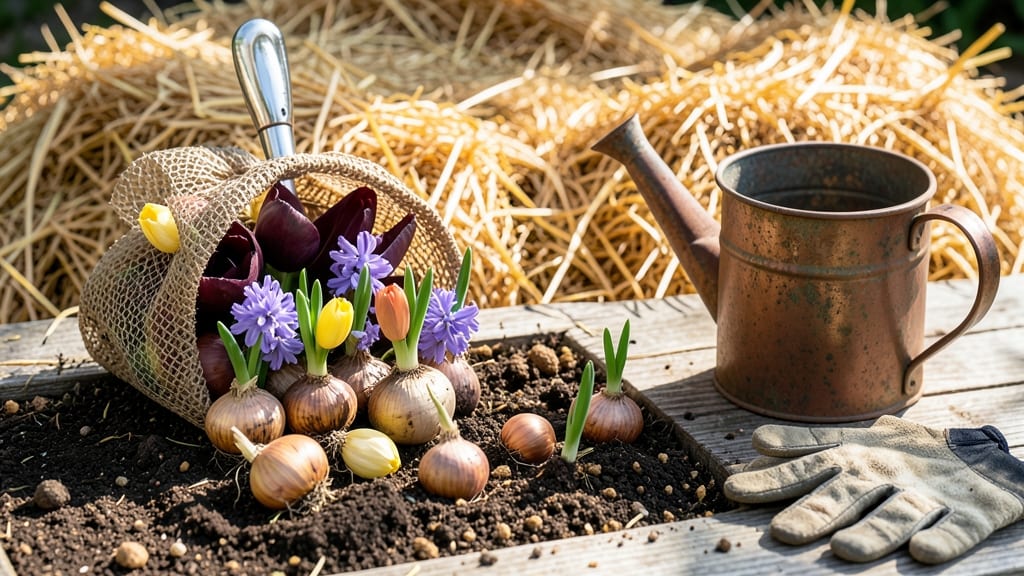
Planting bulbs in Arizona requires timing them perfectly between the brutal summer heat and unpredictable monsoon rains — aim for late October through December to give roots time to establish before the real dry spell hits.
You’ve probably heard that bulbs need cold to bloom, but Arizona’s 9b zone flips that script: most varieties thrive with a cool winter, not a freeze.
That’s why heat-resistant bulbs like desert marigolds and agapanthus are your secret weapon — they’ll push through the desert’s quirks if planted at the right moment.
Get it wrong, and you’ll end up with wilted shoots or no blooms at all. The key is reading your microclimate: high-desert areas can handle planting a month earlier than the Phoenix lowlands, where December’s heat still lingers.
I’ll walk you through the exact windows, soil tweaks, and watering hacks to turn your yard into a springtime paradise.
From soil prep to protecting bulbs from gophers, this guide covers everything you need to know — no more guessing, just blooms on demand.
Best heat-resistant bulbs for Arizona’s climate and their ideal planting months
Arizona’s desert climate presents unique challenges for bulb gardeners, but with the right heat-resistant varieties and precise planting timing, you can enjoy vibrant blooms year-round.
Unlike cooler climates, Arizona’s low-desert (USDA zones 9b-11) and high-desert (USDA zones 7b-9a) regions require bulbs that thrive in intense sun and minimal winter chill. The key is planting during the cool-season windows—typically September through December—when soil temperatures drop below 85°F.
Native and adapted bulbs like daffodils, agapanthus, and watsonia dominate Arizona gardens because they tolerate drought and heat stress better than traditional spring bulbs. For example, daffodils (Narcissus spp.) can handle 100°F+ temperatures once established, while agapanthus thrives in full desert sun with minimal water.
High-desert areas (e.g., Flagstaff) may need bulbs planted 1-2 months earlier than low-desert regions (e.g., Phoenix) due to cooler nights.
⚠️ CRITICAL NOTE: Avoid planting tulips or hyacinths in Arizona’s low desert—they’ll rot in summer heat. Instead, focus on native or Mediterranean bulbs that evolved in similar climates. Below is a breakdown of the top 5 heat-resistant bulbs for Arizona, including their ideal planting months and microclimate adjustments.
| Bulb Type | Low Desert (Phoenix/Tucson) | High Desert (Flagstaff/Sedona) | Key Adaptations |
|---|---|---|---|
| Daffodil (Narcissus) | Oct–Nov (soil <75°F) | Sep–Oct (soil <65°F) | Drought-tolerant; toxic to pests |
| Agapanthus | Nov–Dec (avoid summer heat) | Oct–Nov (hardier varieties) | Loves full sun; minimal water |
| Watsonia | Dec–Jan (coolest months) | Nov–Dec (soil <60°F) | Thrives in rocky, poor soil |
| Lily (Daylily/Hemerocallis) | Sep–Oct (established clumps) | Aug–Sep (cooler high desert) | Heat-acclimated varieties only |
| Desert Marigold (Baileya) | Sep–Oct (spring blooms) | Sep–Oct (same timing) | Native; zero irrigation needed |
For low-desert regions like Phoenix or Tucson, prioritize bulbs planted between October and November when daytime temps drop below 85°F.
Soil should be warm but not scorching—aim for 70–75°F at a 4-inch depth. Agapanthus and watsonia are excellent choices here because they store water in their leaves and survive summer droughts with ease.
In contrast, high-desert areas (e.g., Flagstaff) can plant 1–2 months earlier due to cooler nights, often starting in September.
One common mistake Arizona gardeners make is planting spring-blooming bulbs too early (e.g., tulips in September). These bulbs require vernalization (a period of cold) to flower, but Arizona’s mild winters often fail to trigger blooming.
Instead, opt for heat-tolerant evergreens like agave or yucca for year-round structure, then layer in seasonal bulbs like daffodils for spring color. For example, paperwhite narcissus can even be forced indoors in winter for early blooms!
Microclimates play a huge role in success. If you’re in a shaded microclimate (e.g., under a palm tree), you can plant bulbs 1–2 weeks later than the general timeline, as the ground stays cooler.
Conversely, south-facing slopes dry out faster—plant bulbs earlier and mulch heavily with gravel or bark to retain moisture. Always amend soil with compost before planting to improve drainage, as compacted clay soils (common in Arizona) can suffocate bulbs.
Spring planting is possible for summer-blooming bulbs like <
Step-by-step guide to planting bulbs in Arizona’s extreme heat zones
Arizona’s USDA zones 7b–11 demand special care when planting bulbs, especially in low-desert areas where December can still feel like summer. The key is timing—plant too early, and bulbs may rot in residual heat; too late, and they won’t establish roots before the dry season.
My strategy? Aim for late October through December, adjusting for elevation: high-desert areas (like Flagstaff) can plant as early as September, while Phoenix waits until November.
Before you dig, amend your soil with 30% compost to improve drainage—critical in Arizona’s clay-heavy soils. Mix in a slow-release bulb fertilizer (5-10-10) to give roots a nutrient boost without burning them.
For gopher-prone areas, lay down hardware cloth before planting; these burrowing pests will devour your bulbs otherwise. Now, let’s get to the step-by-step process that guarantees blooms.
- 1 Choose the Right Bulbs: Opt for heat-tolerant varieties like desert marigolds, agapanthus, or watsonia. Avoid traditional tulips—they’ll bolt in Arizona’s heat.
- 2 Test Soil Temperature: Use a soil thermometer to confirm temps are below 70°F (ideal: 60–65°F). Planting in warmer soil stresses bulbs.
- 3 Dig Holes 3x Bulb Width: For example, a 2-inch bulb needs a 6-inch-deep hole. Space bulbs 3–6 inches apart (closer for dwarf varieties).
- 4 Plant Pointy End Up: Ensure the sharpest tip faces upward. If unsure, plant on its side—it’ll correct itself.
- 5 Water Deeply After Planting: Soak the soil until 12 inches deep to encourage root growth. Use a drip irrigation system to avoid wetting foliage.
- 6 Mulch with 2–3 Inches: Use straw or wood chips to retain moisture and protect bulbs from scorching sun. Avoid thick mulch—it traps heat.
After planting, water every 7–10 days until shoots appear, then taper to bi-weekly watering once established. The real secret? Shade cloth during peak summer (June–August) can save bulbs from heat stress. I’ve seen agapanthus thrive under 30% shade cloth when temps hit 110°F—something that would fry traditional bulbs.
Protect your investment with gopher baskets if you’re in a high-risk zone. These wire cages (buried 2 inches deep) create a barrier without harming the soil. For container gardening, use pots with drainage holes and plant bulbs in cactus/succulent mix—it mimics Arizona’s natural soil conditions.
With these steps, your bulbs will bloom reliably year after year, even in the desert’s harshest conditions.
Remember: Patience is key. Some bulbs, like watsonia, take 2–3 years to fully naturalize. But once they do, you’ll have stunning spring displays that outshine any non-native plant. Happy planting! 🌱