
Plants
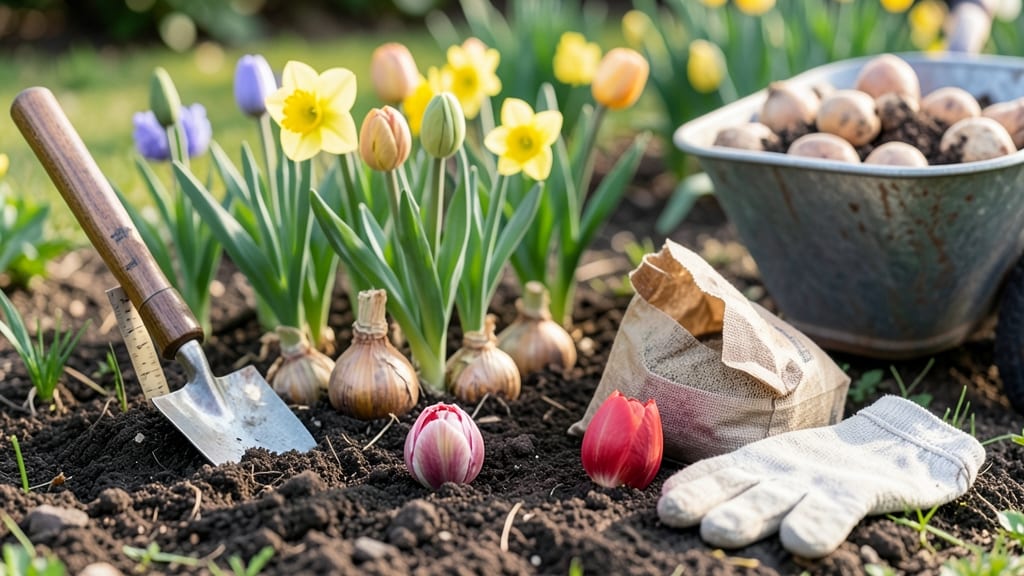
Planting bulbs in the ground at the right time ensures vibrant spring blooms 🌷—and missing that window can mean sparse or no flowers at all.
Timing is everything when it comes to planting bulbs—get it wrong, and you could end up with sparse blooms or no flowers at all. But with this month-by-month guide tailored to your USDA Zone, you’ll know exactly when to plant for vibrant, long-lasting gardens every season.
For Zone 6a (like much of the Midwest), the ideal window for spring-flowering bulbs like tulips and daffodils is between September and November, when soil temperatures drop and frost looms. Plant too early, and bulbs may rot; too late, and they won’t establish roots before winter.
Below, I break down the best months by zone, key seasonal cues (like soil temp and frost dates), and actionable tips—from soil prep to depth and spacing—to guarantee your bulbs thrive and bloom beautifully next spring.
Best months to plant bulbs by USDA Zone: a seasonal breakdown
Planting bulbs at the right time ensures vibrant blooms and healthy growth. Most spring-flowering bulbs—like tulips and daffodils—need to be planted in fall, while others, like hyacinths, thrive with early fall planting.
Your USDA Zone determines the exact window, so let’s break it down by region for foolproof timing.
In USDA Zones 3-5, cold winters mean you’ll plant bulbs earlier in fall (September-October) to give roots time to establish before freezing. Meanwhile, Zones 6-10 offer later windows (October-November) due to milder winters.
Even within zones, soil temperature and frost dates shift planting deadlines by weeks, so check local forecasts!
🌱For Zones 3-5, aim to plant bulbs 6 weeks before the first frost. In my Zone 4 garden, I plant tulips in early October to ensure roots establish before winter. Use a soil thermometer to confirm temps are between 40–50°F—this signals bulbs it’s time to root.
In Zones 6-8, you have more flexibility. For example, daffodils in Zone 7 can wait until November, but hyacinths need planting by early October. Watch for soil moisture—bulbs rot if planted in soggy ground. Amend clay soil with compost or sand for better drainage.
Warmer Zones 9-10 allow planting into winter. Here, rain lilies thrive when planted in December–January after summer rains. Avoid planting in summer heat, as bulbs can overheat. Instead, wait for cooler temps (below 75°F) to reduce stress.
Pro tip: Mark your calendar 4–6 weeks before your zone’s average frost date. This gives bulbs enough time to root before winter dormancy. For example, if frost hits November 15 in your area, plant by October 1.
Adjust for microclimates too! A south-facing slope warms faster, so plant bulbs there 1–2 weeks later than your zone’s average. Conversely, low-lying areas stay colder—plant earlier to avoid frost damage.
Don’t forget spring-planted bulbs like caladiums (Zones 8–10). These go in after last frost, typically March–April. Wait until soil temps hit 65°F+ to prevent rot. In my Zone 9 garden, I plant them in late April for summer blooms.
Finally, test your soil before planting. Bulbs prefer well-draining, slightly acidic soil (pH 6.0–7.0). If your soil is heavy clay, mix in organic matter like leaf mold or pearlite to improve drainage.
With these zone-specific windows, your bulbs will reward you
Key factors that determine the perfect planting time for bulbs
Planting bulbs at the wrong time can mean the difference between a show-stopping spring display and a disappointing failure. The key to success lies in understanding how soil temperature, frost dates, and bulb types interact to create the ideal window.
For example, tulips and daffodils need to root deeply before winter, while hyacinths and crocuses thrive with cooler soil—both require precise timing.
Most gardeners focus on USDA Zones and calendar months, but the real magic happens when you pay attention to soil conditions. Bulbs like spring-flowering varieties need to be planted when soil temps drop to 60°F or below—this triggers root growth before dormancy.
Meanwhile, fall-planted bulbs (like alliums) can handle slightly warmer soil as long as frost is imminent.
🌱 5 Critical Factors for Perfect Bulb Planting Time
- 1. Soil Temperature: Aim for 60°F or below—use a soil thermometer to check. Bulbs planted in warm soil may rot before roots establish.
- 2. Frost Dates: Plant 4-6 weeks before your first hard frost to allow root growth. Check your USDA Zone for local frost timelines.
- 3. Bulb Type: Spring-bloomers (tulips, daffodils) need fall planting, while summer-bloomers (like dahlias) go in early spring.
- 4. Microclimates: South-facing slopes warm faster—plant earlier there. Shady or low-lying areas stay cooler, so delay planting by 2-3 weeks.
- 5. Moisture Levels: Soil should be moist but not soggy at planting. Overly wet soil can suffocate bulbs, while dry soil prevents root establishment.
Adjusting for early or late seasons is easier than you think. If your fall arrives earlier than usual (like in Zone 5), plant bulbs by mid-September to avoid winter stress.
Conversely, in warmer Zones 8-10, you can plant through December—just ensure soil temps stay cool. Tropical climates (like Zone 11) often require spring planting for bulbs like amaryllis, which dislike winter chill.
Don’t overlook bulb size and spacing—larger bulbs need deeper planting (typically 6-8 inches deep) to anchor properly, while smaller bulbs (like snowdrops) only need 3-4 inches.
Spacing also matters: crowding bulbs can lead to disease and poor blooms, while over-spreading them wastes space. Aim for 3-6 inches between bulbs, depending on variety.
For container gardening, timing shifts slightly. Bulbs in pots can handle slightly warmer soil because containers dry out faster, but still plant them 4-6 weeks before frost.
Use well-draining mix and avoid overwatering—containers stay moist longer, increasing rot risk. Winterizing pots with mulch or moving them to a garage or shed can extend their lifespan for multiple seasons.
Pro tip: Mark your planting dates on a calendar and note any weather anomalies (like early frosts or heatwaves). Over time, you’ll refine your timing to match your local microclimate. The goal? Healthy roots before winter and vibrant blooms by spring—no guesswork required! 🌷