
Plants
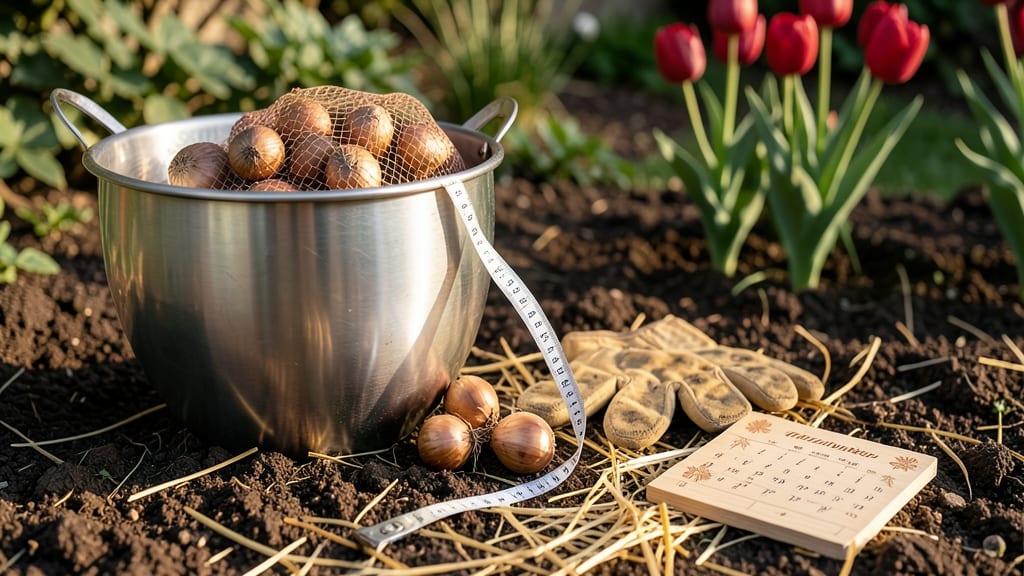
Planting tulips in Zone 7 during the fall months ensures vibrant blooms next spring 🌷 — but timing matters more than you might think.
Picture this: you’ve picked out the most stunning 🌷 tulip bulbs, only to watch them rot in the ground because you planted them too late or too early.
That’s why I’m sharing the exact 4-6 week window before the ground freezes, plus how to adjust for your specific Zone 7 microclimate.
Inland areas like Richmond or Charlottesville need bulbs in the soil by mid-October, while coastal spots like Norfolk can wait until early November. The key? Soil temperatures below 60°F and a frost forecast within 6-8 weeks—here’s how to nail it every time.
Beyond the calendar, I’ll cover whether to pre-chill bulbs, how deep to plant them, and the mulching tricks that keep your tulips thriving through Zone 7’s unpredictable winters. Let’s get those blooms off to the right start.
Zone 7 tulip planting calendar: exact weeks by variety type
Planting tulips in Zone 7 requires precision—timing your bulbs to hit the 4-6 week chilling period before winter is key for vibrant spring blooms. Unlike cooler zones, Zone 7’s mild winters demand strategic planting to ensure bulbs get enough cold.
I’ve broken down the exact weeks for early, mid, and late bloomers, including Darwin hybrids, parrot tulips, and species tulips, so you can plan with confidence.
Most gardeners in Zone 7 plant tulips in October or early November, but the ideal window shifts slightly based on your last frost date (typically mid-October) and soil temperature. Aim to plant when soil temps drop to 50°F (10°C)—this triggers bulb dormancy.
Late bloomers like Darwin hybrids need extra time, while early varieties can handle shorter chilling periods. Let’s dive into the exact schedule for each type.
🌷 PRO TIP: Use a soil thermometer to monitor temps—plant when readings consistently stay below 50°F (10°C) for 3+ days. This ensures your bulbs enter dormancy at the right time.
| Variety Type | Planting Window (Zone 7) | Soil Temp Trigger | Bloom Time | Notes |
|---|---|---|---|---|
| Early Bloomers (e.g., 'White Dream', 'Red Emperor') | Late September – Early October | 50–55°F (10–13°C) | Early April – Mid-April | Shortest chilling needs; plant first for earliest blooms. |
| Mid-Season (e.g., 'Parrot tulips', 'Fosteriana') | Mid-October – Early November | 45–50°F (7–10°C) | Mid-April – Early May | Popular varieties; plant when soil cools further. |
| Late Bloomers (e.g., 'Darwin Hybrid', 'Fringed tulips') | Early November – Mid-November | 40–45°F (4–7°C) | Late April – Early June | Longest chilling needs; plant last for summer blooms. |
| Species Tulips (e.g., 'Tulipa tarda', 'Tulipa clusiana') | Mid-October – Early November | 45–50°F (7–10°C) | March – Early April | Naturalize easily; plant mid-season for early spring color. |
| All Tulips (Zone 7 Adjustment) | December (Emergency Planting) | N/A (Pre-chill required) | Delayed bloom (May–June) | Pre-chill bulbs for 8–10 weeks before planting. |
🌡️ SOIL TEMPERATURE MATTERS: Zone 7’s mild winters can trick bulbs into sprouting too early. If you plant Darwin hybrids in early November and temps stay above 40°F (4°C), they may push shoots before winter sets in—mulch heavily (3–4 inches) to protect them. For parrot tulips, which thrive in Zone 7, aim for mid-October planting to balance chilling and warmth.
If you’re in a coastal Zone 7 (like San Francisco), plant 2–3 weeks earlier—milder ocean breezes delay frost. Inland areas (like Atlanta or Raleigh) can plant closer to mid-November for late bloomers. Always check your last frost date—planting 4–6 weeks before ensures bulbs establish roots before
How to adjust planting time for Zone 7’s microclimates and soil conditions
Zone 7’s diverse microclimates can throw off your tulip planting schedule if you don’t adjust for local conditions. For example, Richmond’s inland heat may require bulbs in the ground by mid-October, while coastal Norfolk’s milder winters can wait until early November.
These variations mean your neighbors might be planting at different times—don’t let that confuse you!
Soil type also plays a huge role. Heavy clay soils in areas like Charlottesville need bulbs planted deeper (8 inches) to prevent rot, while sandy loam in Raleigh allows shallower planting (6 inches).
Urban heat islands—like those in Atlanta’s suburbs—can delay frost, so bulbs may need a 2-week earlier planting window.
Here’s the critical adjustment: if your soil stays warm longer (like in urban areas), plant bulbs 4-6 weeks before your first frost date. Use a soil thermometer to confirm temperatures are below 60°F—this triggers bulb dormancy and prevents early sprouting.
If your last frost date is mid-October but your soil stays above 60°F into November, bulbs planted too late may sprout early and get fried by a late frost. Always verify soil temps—not just air temps!
For heavy clay soils, mix in compost or sand to improve drainage before planting. In sandy loam, add organic matter to retain moisture. Both adjustments help bulbs establish roots without rotting—critical for Zone 7’s unpredictable freeze-thaw cycles.
Mulch is your secret weapon. Apply 3-4 inches of straw or shredded leaves after planting to insulate bulbs from temperature swings. In urban heat islands, mulch also cools the soil, mimicking cooler rural conditions. Replenish mulch in late winter to protect emerging shoots from late frosts.
If your Zone 7 area has mild winters (like Asheville), pre-chill bulbs for 8-12 weeks in the fridge before planting. Store them in a paper bag with peat moss to simulate winter dormancy. This trick ensures bulbs think they’ve had enough cold—even if your climate doesn’t deliver it naturally.
Finally, monitor local frost forecasts and adjust your schedule by 1-2 weeks if needed. Use a planting calendar that accounts for your specific microclimate—tools like the Old Farmer’s Almanac or local Cooperative Extension websites are goldmines for Zone 7 specifics.
With these tweaks, your tulips will bloom boldly and reliably every spring. 🌷