
Plants
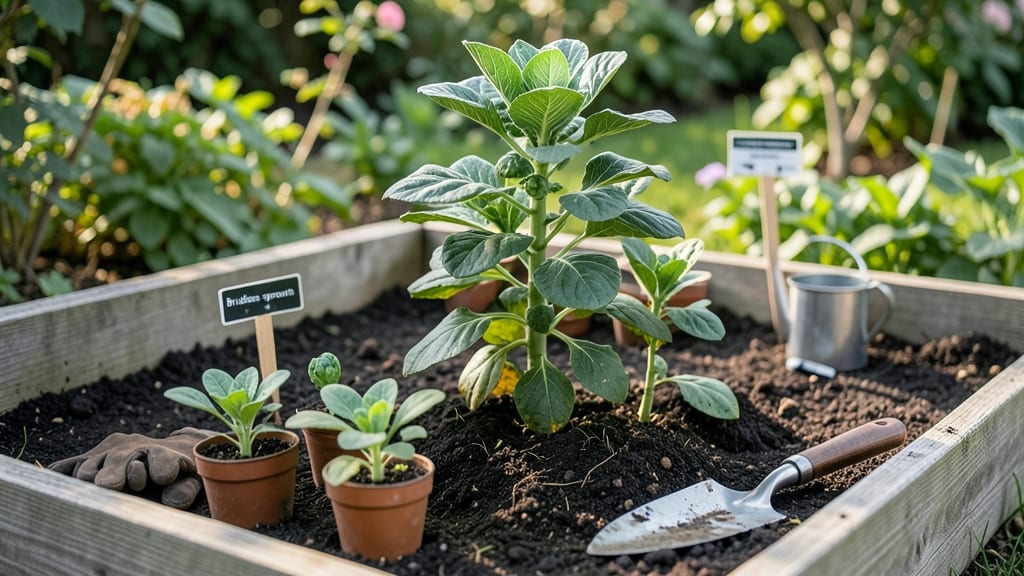
Planting Brussel sprouts 🥬 in Southern California means timing is everything to avoid bitter, bolted greens—your window is narrow, but the payoff is worth it.
Brussel sprouts thrive in Southern California’s mild winters—but planting them at the wrong time means bitter, bolted greens instead of tender, flavorful harvests. Master these microclimate-specific deadlines to grow perfect sprouts with zero frost risk, even in coastal or desert zones.
Inland valleys like the San Fernando or San Joaquin can handle August-September planting, while coastal areas (USDA 10a-11) can stretch it to early October. Desert regions? Start by mid-August to beat the heat. The key is avoiding temperatures above 85°F during germination.
Below, I break down the exact planting calendar for your region, soil prep tricks to prevent bolting, and how to stretch your harvest from December through February—no frost worries, just sweet, crisp sprouts.
Southern California microclimate planting zones: coastal vs. inland vs. desert timelines
Southern California’s diverse microclimates create a perfect puzzle for growing Brussel sprouts—if you know where to plant them. Coastal areas like Santa Barbara enjoy zero frost risk, while inland valleys like San Fernando face rare December chills.
Desert zones near Palm Springs demand heat protection to prevent bolting. Each zone has distinct planting windows to avoid bitter sprouts or wasted effort.
Brussel sprouts thrive when soil temperatures stay between 45°F and 80°F for germination. Coastal regions can start seeds as early as late July, while inland areas should wait until mid-August to avoid summer heat stress.
Desert zones often need shade cloth during September planting to protect young seedlings. Understanding these microclimate deadlines ensures your sprouts grow sweet, not bitter.
🌱 Comparison Table: Southern California Planting Zones for Brussel Sprouts
| Zone Type | USDA Zone | Optimal Planting Window | Frost Risk | Soil Prep Tip |
|---|---|---|---|---|
| Coastal (e.g., Malibu, Santa Barbara) | 10a-11 | Late July - Early September | None (frost-free) | Add compost for moisture retention |
| Inland Valleys (e.g., San Fernando, Riverside) | 9b-10a | Mid-August - Late September | Rare (Dec 1) | Use mulch to cool roots |
| Desert (e.g., Palm Springs, Joshua Tree) | 9b-10a | Early August (with shade) | None (but extreme heat) | Shade cloth 30-50% |
Coastal gardeners can push the envelope by planting Brussel sprouts as early as July 15th, thanks to consistent 60°F nights. The Santa Barbara area’s USDA Zone 10a allows for year-round growth, but fall planting yields the sweetest harvests.
Start seeds indoors 4-6 weeks before your target outdoor date to give seedlings a head start in cooler coastal soils.
Inland valleys like Riverside or San Fernando face hotter afternoons and cooler nights, making mid-August the ideal start date. These zones benefit from succession planting: sow seeds every 2 weeks until September 15th to stagger harvests.
Use black plastic mulch to warm soil faster in these Zone 9b-10a areas.
Desert regions present the biggest challenge: 100°F+ days can cause premature bolting. Plant seeds only in early August under 30-50% shade cloth to keep soil temps below 85°F.
Desert gardeners should prioritize dwarf varieties like 'Long Island Improved', which mature faster and handle heat better. Water deeply every 5-7 days to encourage strong root growth.
Regardless of zone, late-summer prep is critical. Amend soil with 2-3 inches of compost and a balanced fertilizer (10-10-10) to provide phosphorus for root development. Test soil pH—Brussel sprouts prefer 6.0-7.0.
Coastal areas may need extra nitrogen due to faster growth rates, while inland zones benefit from phosphorus-heavy feeds to prevent bolting.
Harvest timing varies by zone: Coastal plants reach maturity by December, while inland varieties may need until January. Desert-grown sprouts should be harvested by late November before heat stress resumes. Always harvest from the bottom up, leaving 4-5 inches of stem between sprouts to maintain plant health.
Protect your investment with row covers if a rare frost warning appears. Coastal areas rarely need them, but inland gardeners should have frost cloth on hand for December nights. Desert growers should monitor soil moisture closely—overwatering in heat causes rot, while underwatering leads to bitter sprouts.
🌿 For zero-frost risk, coastal gardeners can even try a spring planting (February-March) for summer harvests. Inland areas should avoid this due to heat sensitivity, while desert zones can attempt container growing with shade cloth. The key is adapting to your microclimate—not fighting it.
Step-by-step planting calendar for zero-frost Brussel sprouts in SoCal
Southern California’s fall planting window for Brussel sprouts 🥬 is tight, but with this calendar, you’ll avoid heat stress and bolting while maximizing sweet harvests. The key is starting 8-10 weeks before first frost—which means August-September for most regions.
Inland areas like the San Joaquin Valley can push to early October, while coastal zones (USDA 10a+) have until mid-October.
Your soil must be 60-68°F for germination, so test it before planting. Amend with compost and aged manure to improve drainage—Brussel sprouts hate soggy roots. Desert zones? Add shade cloth (30-50%) to protect seedlings from afternoon heat spikes above 85°F.
📅 Monthly Planting & Care Calendar
- 🌱 August: Start seeds indoors (6-8 weeks before transplant) or direct-sow in cooler microclimates (coastal). Soil temp must stay below 80°F.
- 🌿 September: Transplant seedlings (3-4" apart, 18" rows) or direct-sow in inland/desert zones. Use drip irrigation to avoid wetting leaves.
- 🪴 October: Succession plant every 2-3 weeks for staggered harvests. Mulch with straw (2-3") to retain moisture.
- 🌡️ November: Protect from cold snaps (below 30°F) with row covers. Fertilize with 5-10-10 (high phosphorus) to boost sprout development.
- ✂️ December-February: Harvest from bottom up when sprouts reach 1-1.5". Prune leaves to 6" above top sprout to encourage growth.
Pro Tip: Desert gardeners—plant dwarf varieties (e.g., 'Long Island Improved') to reduce heat stress.
For coastal gardeners, prioritize well-draining soil to prevent fungal diseases in the damp winter air. Inland growers should avoid planting after September 15th—heat stress will cause premature bolting. Instead, opt for winter varieties like 'Red Ruby' that tolerate cooler temps better.
Succession planting is your secret weapon. Sow new seeds every 3 weeks from August through October to extend harvests from December through March. Space plants 18-24" apart in rows 30" apart for airflow—critical in humid coastal zones. Use trellises for tall varieties to save space and improve yield.
Monitor soil moisture closely in desert zones—Brussel sprouts need 1-1.5 gallons per plant weekly, but let the top 1" dry between waterings to prevent rot. Coastal areas can water every 4-5 days due to higher humidity. Always water deeply in the morning to reduce fungal risks.
Your first harvest should arrive by mid-December if planted in early September. Look for firm, 1-1.5" sprouts with deep color—harvest them by twisting gently or cutting with pruners. Leave 4-5" of stem above the top sprout to keep producing new buds.
With this calendar, you’ll enjoy sweet, tender sprouts straight from your SoCal garden—no frost, no stress! 🌱