
Plants
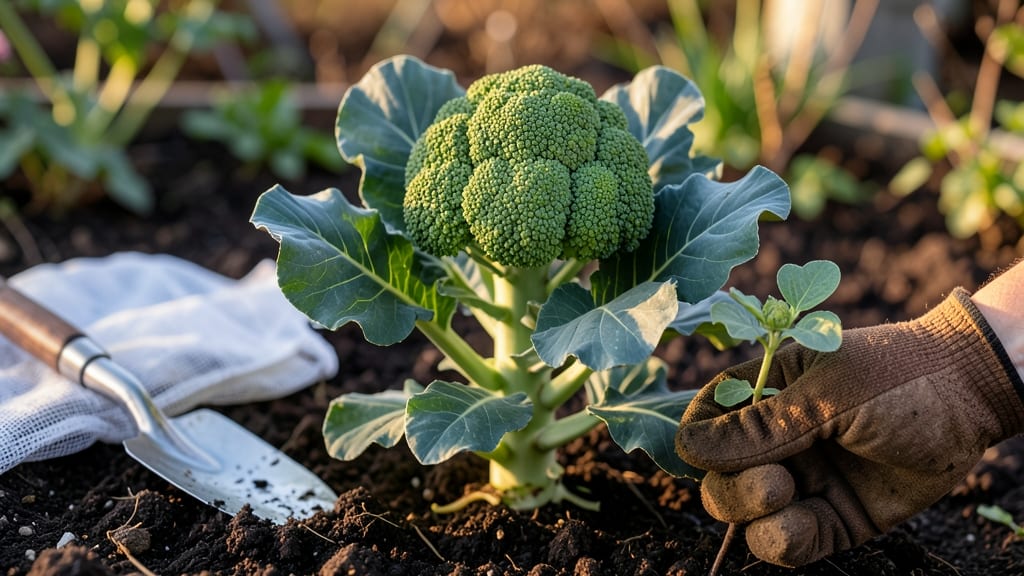
Plant broccoli in North Carolina between late February and early March or late August for a fall harvest—timing that avoids frost and bolting in the state’s shifting climate.
North Carolina’s unpredictable frost dates can turn your broccoli dreams into bitter disappointment—unless you plant at the perfect time. Learn the exact frost-date windows to grow head-turning 🥦 without bolting, even in the Tar Heel State's humid climate.
Miss the window, and you’ll end up with bitter, flowering stalks instead of tender heads. But get it right, and you’ll enjoy a steady harvest from May through November, with the right varieties thriving in your specific USDA zone.
Here’s how to pinpoint your planting dates by region, choose the best heat-tolerant varieties, and keep your broccoli from bolting—even when summer heat rolls in.
North Carolina frost dates for broccoli: exact planting windows by region
North Carolina's diverse climate—from the humid Coastal Plain to the cooler Mountain regions—means your broccoli planting timeline must adapt to USDA zones 6b-8a. Miss the frost window, and you risk bolting (premature flowering) or frost damage. The key?
Plant 4-6 weeks before your last spring frost or 90-100 days before your first fall frost for a reliable harvest. Let’s break it down by region so you can avoid the heartache of wilted broccoli crowns or bitter-tasting heads.
Broccoli thrives in cool weather (50–75°F) but bolts when temperatures exceed 80°F. North Carolina’s three distinct regions—Coastal Plain, Piedmont, and Mountains—each have unique frost dates.
For example, Coastal Plain gardeners (like those in Wilmington) can start seeds indoors in February, while Mountain growers (Asheville area) wait until mid-March to avoid late frosts. Timing isn’t just about frost; it’s also about humidity and soil warmth, which vary wildly across the state.
Here’s the non-negotiable rule: Never plant broccoli when soil temperatures exceed 85°F. In North Carolina’s summer heat, broccoli will bolt within days, sending up bitter flower stalks instead of tender heads.
That’s why fall planting (August–September) is often more successful than spring for a second harvest. But first, let’s nail those frost dates by region.
If you’re in the Coastal Plain (Zone 8a-9a), start seeds indoors by February 15 for transplants ready by March 1. This gives your broccoli a head start before soil warms too quickly.
In contrast, Mountain gardeners (Zone 6b-7a) should wait until mid-April to plant outdoors—any earlier, and a late frost will crisp your seedlings overnight. Pro tip: Use row covers for an extra layer of protection if you’re pushing the envelope on early planting.
For fall planting, the window narrows as you move inland. Coastal Plain growers can sow seeds until August 15, while Mountain regions must finish by August 1 to avoid heat stress. The goal is to harvest before first frost (which hits the Mountains by mid-October).
Use heat-tolerant varieties like ‘De Cicco’ or ‘Waltham 29’ to extend your fall season by 2–3 weeks compared to standard types.
One common mistake? Planting too late in spring and ending up with broccoli that bolts before you can harvest. I’ve seen this happen in Raleigh (Piedmont) when gardeners wait until mid-April to plant—by June, the heat sends their broccoli into flower mode.
Instead, stagger plantings every 2 weeks from March to April for a continuous harvest. This works especially well for small-space gardens where you can fit multiple rows.
Local NC gardeners swear by succession planting for broccoli. For example, Asheville’s cooler climate allows for three harvests: one in late spring, another in early summer (with shade cloth), and a final fall crop.
Meanwhile, Wilmington gardeners focus on fall-only harvests due to summer heat. The takeaway? Know your microclimate—even within 50 miles, frost dates can shift by **1–
How to avoid bolting: broccoli's #1 enemy in NC's humid climate
Broccoli plants in North Carolina face a silent enemy: bolting—when they prematurely flower due to heat stress. This happens when soil temperatures exceed 75°F (24°C) for extended periods, common in NC's summer months. The result? Bitter, woody stalks instead of tender heads you can harvest.
I've learned the hard way that even heat-tolerant varieties like 'De Cicco' can bolt if planted too early in summer. The key is understanding your microclimate and adjusting planting times accordingly. For example, Piedmont's 80°F+ soil triggers bolting faster than the Mountains' cooler nights.
Here's the critical threshold: Soil temperatures above 80°F (27°C) for more than 2-3 days will cause most broccoli varieties to bolt. In NC's humid climate, this often happens by mid-June in the Coastal Plain and late July in the Mountains.
⚠️ callout warning ⚠️
NC's summer heat spikes can trigger bolting in just 3-5 days if soil temps hit 85°F+ (29°C+). Use a soil thermometer to monitor - plant only when soil is below 70°F (21°C) for summer crops. For fall planting, aim for September 1st or later when days shorten naturally.
For summer planting, I recommend using shade cloth (30-50%) to reduce soil temperatures by 5-10°F (3-6°C). You can also try succession planting every 2 weeks from August through September, choosing varieties with shorter maturity times (50-60 days) like 'Waltham 29' or 'Belstar'.
Variety selection makes all the difference. 'De Cicco' handles heat better than 'Waltham 29', but even it will bolt if planted too early. For the Mountains, try 'Calabrese'—it tolerates cooler nights better. Always check the days-to-maturity label and calculate backward from your first frost date.
One trick I've had success with is mulching with straw (3-4 inches thick) to keep soil cool and moist. This works especially well in the Coastal Plain where humidity accelerates bolting.
Pair this with drip irrigation in the morning to avoid wetting foliage, which can promote fungal diseases that stress plants.
Remember: Bolting isn't just about heat—it's also about day length. Broccoli is a long-day plant, meaning it bolts when days exceed 14-16 hours of light. In NC, this typically happens by mid-May, so your last spring planting should be by April 15th for most varieties.