
Plants
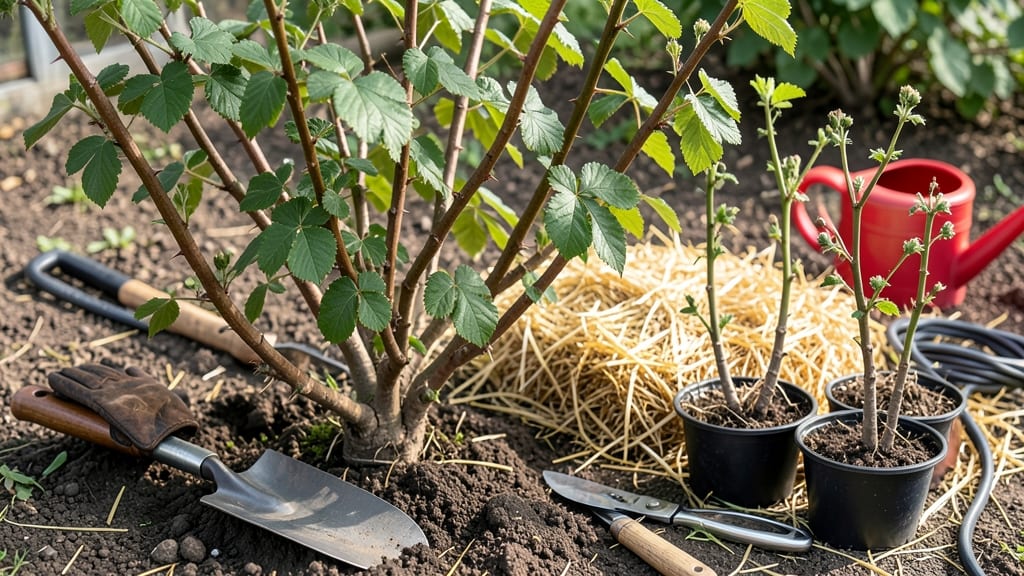
Planting blackberries in Texas at the right time means the difference between a bountiful harvest and a sad, sparse bush 🫐.
If you’ve ever watched your blackberry canes struggle through Texas heat or freeze in an unexpected frost, you know timing isn’t just about the calendar—it’s about matching your variety to the state’s chill-hour zones. Get it wrong, and you’ll end up with weak growth or no fruit at all.
Texas spans USDA zones 8a-10b, meaning some regions need early spring planting while others thrive in fall. The key is knowing whether your blackberries are Primocane (summer-bearing) or Floricane (fall-bearing) and how many chill hours your area gets. Without this match, even the hardiest varieties will underperform.
In this guide, I’ll break down the best planting windows by Texas region, the chill-hour requirements for top varieties, and how to prepare your soil for maximum fruit production—so you can finally enjoy those juicy berries without the guesswork.
Texas chill-hour zones explained: how to pick the right blackberry variety
Texas blackberry growers face a unique challenge: the state’s chill-hour requirements vary dramatically from North to South. Unlike traditional USDA zones, chill hours (the number of hours below 45°F) determine which blackberry varieties will thrive.
Plant the wrong type, and you’ll get sparse fruit or none at all—even with perfect care.
Texas spans three main chill-hour zones: 0-300 hours (South Texas), 300-500 hours (Central Texas), and 500-700+ hours (North Texas). Each zone favors different blackberry types: evergreen varieties for warm climates, primocane-bearing types for moderate zones, and floricane-bearing varieties for cooler areas.
Here’s how to match your location to the perfect blackberry variety for reliable harvests:
Evergreen varieties like Arapawa are perfect for South Texas (0-300 hours), where winters rarely drop below 40°F. These thornless blackberries produce fruit year-round and handle high heat better than traditional types. Look for labels specifying "low-chill" or "tropical" varieties.
In Central Texas (300-500 hours), primocane-bearing varieties like Apache shine. These dual-crop blackberries produce fruit on both new and old canes, extending your harvest from spring through fall. They’re ideal for areas with mild winters but occasional cold snaps.
For North Texas (500-700+ hours), stick with floricane-bearing varieties like Cheyenne. These classic summer-bearing blackberries need winter dormancy to set fruit, making them perfect for areas with cooler winters. Plant them in well-draining soil to avoid root rot during Texas’ unpredictable spring rains.
Pro tip: Check your local chill hours using the Texas A&M AgriLife Extension chill-hour calculator. Even within a zone, microclimates (like urban heat islands) can shift your effective chill hours by 100+ hours. If you’re unsure, start with Apache or Natchez—they’re adaptable and widely available.
Once you’ve picked the right variety, plant in late winter (February-March) for North/Central Texas or fall (September-October) for South Texas. Evergreen types can handle fall planting, but floricane varieties need 6-8 weeks of dormancy before spring growth. Time it wrong, and you’ll delay your first harvest by a full year.
Remember: Blackberries need full sun (6+ hours daily) and well-draining soil to avoid fungal diseases. In Texas’ clay-heavy soils, amend with compost or sand to improve drainage. Mulch with straw or wood chips to retain moisture and suppress weeds—critical in our hot, dry summers.
With the right variety matched to your chill hours, you’ll enjoy sweet, juicy blackberries from late spring through fall—no matter where you garden in Texas. Start with a small patch (3-5 plants) to test your zone before expanding!
Best planting months by Texas region: North vs. central vs. South Texas
Texas spans three distinct climates, each with unique planting windows for blackberries. North Texas's cooler winters make late winter ideal, while Central Texas thrives with early spring plantings.
South Texas gardeners should plant in fall to avoid summer heat stress. Timing isn't just about months—it's about avoiding frost risks and matching varieties to your region's chill hours.
In North Texas (USDA Zones 7b-8a), plant dormant canes in February-March after the last frost (typically mid-February). This gives roots time to establish before summer's intense heat. Central Texas (Zones 8a-8b) benefits from March-April plantings when soil warms to 60°F consistently.
South Texas (Zones 9a-10b) should plant in September-October to take advantage of cooler temperatures and winter dormancy.
| Region | Best Planting Months | Soil Prep | Frost Risk | Variety Recommendation |
|---|---|---|---|---|
| North Texas | February-March | Amend with compost; pH 5.5-6.5 | High (last frost: mid-Feb) | Apache, Navajo, Cheyenne |
| Central Texas | March-April | Add organic matter; improve drainage | Moderate (last frost: early March) | Arapaho, Kiowa, Ouachita |
| South Texas | September-October | Test soil; add gypsum if clay-heavy | Low (last frost: late Dec) | Prime-Ark Freedom, Natchez, Ouachita |
For all regions, prepare soil by testing pH levels and amending with compost or aged manure. North Texas gardeners should focus on drainage improvements due to heavier clay soils, while South Texas may need gypsum additions to break up compacted soil.
Always space canes 4-6 feet apart to prevent disease spread and ensure proper air circulation.
Frost is the biggest enemy of young blackberry plants. In North Texas, use row covers if planting early and expect unexpected cold snaps. Central Texas can handle light frosts (28°F) better, but young plants still need protection.
South Texas rarely sees frost, but winter chilling hours (below 45°F) are critical for fruit set—choose varieties that match your region's chill hours.
After planting, mulch heavily with straw or wood chips to retain moisture and regulate soil temperature. In North Texas, mulch 3-4 inches deep to protect roots from winter fluctuations. Central and South Texas can use 2-3 inches of mulch to conserve water during hot months.
Water deeply once weekly for the first month, then taper to bi-weekly once established.
Remember, blackberries thrive with full sun exposure (6+ hours daily), so choose a south-facing location with protection from strong afternoon winds. With the right timing and care, your Texas blackberries will reward you with abundant harvests from late spring through summer.