
Plants
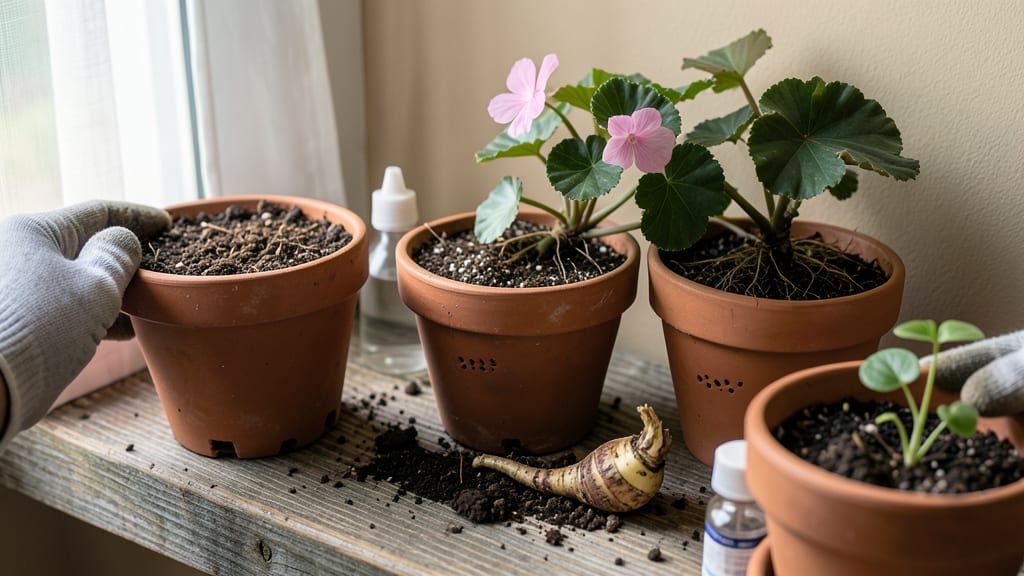
Planting begonias in pots after the last frost date ensures they thrive all season long 🌸—but timing depends on your climate zone and whether you’re dealing with tuberous or fibrous-rooted varieties.
Timing your begonias planting can mean the difference between vibrant blooms and struggling plants—especially when growing in pots where temperature control is trickier. Get the perfect schedule for your climate zone to ensure lush, thriving begonias all season.
In cooler zones like USDA 6a, wait until mid-to-late spring when soil temperatures rise above 55°F, while warmer climates can start as early as March. The key is avoiding frost, which can kill tender begonias in just a few hours.
Below, I break down the best months by zone, container size tips, and how to extend the season in cooler areas—so you can enjoy those stunning 🌸 blooms from spring through fall.
Best months to plant begonias in pots by USDA climate zone
Planting begonias in pots gives you flexibility, but timing is everything—especially since these tropical beauties hate frost and need consistent warmth. Your USDA climate zone determines whether you can plant in early spring or wait until summer.
Let’s break down the perfect monthly schedule for Zones 3-11, including key differences between tuberous and fibrous-rooted varieties.
Tuberous begonias (like Begonia x tuberhybrida) need warmer soil to sprout, while fibrous-rooted types (such as Begonia rex) adapt better to cooler starts. Pots also heat up faster than garden beds, so adjust your timeline if your containers sit in full sun.
For example, a black pot can reach lethal temperatures in Zone 9 by midday, while a white pot stays cooler.
Pro Tip: Check your last frost date (average April 15 for Zone 6a) and add 2-4 weeks before planting. In Zones 3-5, start seeds indoors 8-10 weeks before the last frost to give them a head start. For Zones 7-11, you can often plant directly into pots as early as February-March, but monitor nighttime temps.
| USDA Zone | Tuberous Begonias | Fibrous-Rooted Begonias | Key Notes |
|---|---|---|---|
| Zones 3-5 | Start indoors March 1-April 15 | Plant outdoors May 1-June 15 | Use grow lights for seedlings; harden off before transplanting. |
| Zones 6-7 | Plant outdoors April 15-May 15 | Plant outdoors March 15-April 30 | Avoid cold snaps; use mulch to protect roots. |
| Zones 8-9 | Plant outdoors February 15-March 30 | Plant outdoors January 15-February 28 | Watch for heat stress; use shade cloth in summer. |
| Zones 10-11 | Plant outdoors December 1-February 28 | Plant outdoors October 1-December 15 | Year-round growth possible; rotate pots for even light. |
🌱 Note: Adjust for microclimates—urban areas may be 5°F warmer than rural zones.
In Zones 3-5, I recommend starting tuberous begonias indoors in March to give them time to develop roots before transplanting. Use a seedling heat mat to keep soil temps at 70°F—this mimics their tropical habitat.
For fibrous-rooted types, you can plant directly into pots in late May, but choose a north-facing spot to avoid scorching.
If you’re in Zones 6-7, aim for mid-April to plant tuberous begonias outdoors. The key is nighttime temps above 55°F. I’ve found that black plastic pots warm up faster, so place them on reflective trays to prevent overheating.
For fibrous-rooted begonias, you can start as early as March 15, but protect them with frost cloth if nights dip below 40°F.
Gardeners in Zones 8-9 have the luxury of planting as early as February, but be cautious—tuberous begonias can rot if soil temps exceed 85°F. I use 5-gallon fabric pots for better airflow and add perlite to the mix to prevent compaction.
For rex begonias, plant in January and keep them in bright, indirect light until spring.
In Zones 10-11, begonias thrive year-round, but summer heat can be brutal. Plant tuberous types in winter (December-February) and
Signs your climate is ready for Begonia planting (beyond calendar dates)
Forget relying solely on calendar dates—your begonias care about real-world conditions like soil warmth and nighttime temperatures. These practical indicators tell you exactly when it’s safe to plant, even if your local frost date says otherwise.
Container-grown begonias have less thermal mass than in-ground plants, meaning they cool down faster at night. Urban areas with heat islands may be ready 1-2 weeks earlier than rural spots, while shady microclimates (like north-facing patios) need extra warmth to thrive.
- 🌡️ Soil temp reaches 60°F+ at 2" depth (test with a thermometer)
- 🌙 Nighttime temps stay above 55°F consistently (3+ nights)
- ☀️ Daytime highs hit 65°F+ for 3 consecutive days
- 🌿 Local microclimate shows no frost risk (check 7-day forecasts)
- 🪴 Container prep: Pots are warmed by sunlight (place in sun for 24 hours before planting)
Urban gardeners can hack the system by using black pots (absorb heat faster) or heat mats under containers. Rural areas with cold nights should wait until May or use frost blankets for tuberous types.
Watch for new leaf growth on existing begonias—this signals your climate’s ready. If leaves wilt at night but recover by morning, your plants are borderline and need extra protection.
Pro tip: Test your spot by placing a thermometer in a filled pot for 24 hours. If temps stay above 58°F, it’s begonia-safe! Urban concrete holds heat longer, while wooden decks stay cooler.
Remember: Tuberous begonias need warmer soil than fibrous types, so adjust timing accordingly. Once you spot these 5 signs, your begonias will thrive from day one—no guesswork needed.