
Flowers
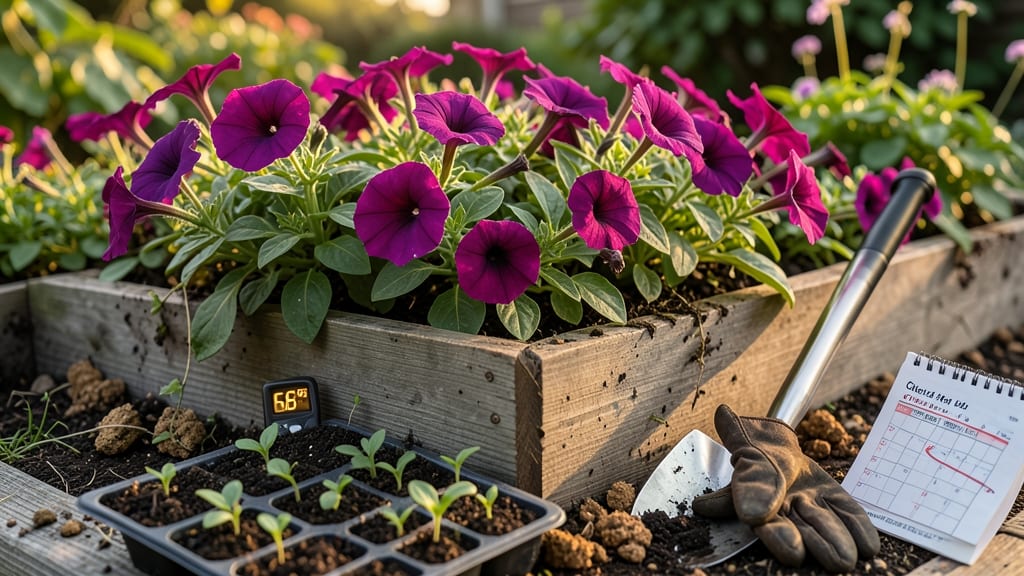
It’s safe to plant flowers in Ohio once nighttime temperatures stay above 50°F and the last frost has passed—typically by mid-April in most of the state.
Ohio gardeners know the frustration of planting too early—only to watch frost nip delicate blooms before they even open. But timing your flower planting just right can mean the difference between a vibrant garden and a sad, wilted disappointment.
In USDA Zone 6a, where most of Ohio falls, the average last frost date lands around April 15, but microclimates near Lake Erie or urban heat islands can shift that window by weeks. Checking soil temperature (60°F+) is the real game-changer.
Below, I’ll break down the exact frost-free windows for annuals, perennials, and bulbs—plus how to adjust for late springs or early freezes. No more guessing, just foolproof timing for your Ohio garden.
Ohio frost dates and safe planting zones by region
Ohio’s last frost dates vary dramatically by region, from mid-April in southern Ohio to late May in the northern tier. These differences mean your safe planting window for tender flowers like impatiens or petunias could shift by weeks depending on where you live.
Understanding your USDA hardiness zone (mostly Zone 5b-6a) and local microclimates is key to avoiding frost damage.
To find your exact last frost date, check the USDA Plant Hardiness Zone Map and cross-reference with local weather records. For example, Columbus (Zone 6a) typically sees its last frost around April 15, while Toledo (Zone 6a) may wait until April 25.
Meanwhile, Cleveland (Zone 6a) often holds off until May 5** due to Lake Effect cooling.
Here’s how to use this data to plan your flower planting schedule:
| Region | Last Frost Date | Safe Planting Window | Tender Flowers to Plant | Hardy Perennials |
|---|---|---|---|---|
| Southern Ohio (e.g., Cincinnati, Dayton) | April 1-15 | April 15-May 1 | Petunias, Marigolds, Zinnias | Coneflowers, Black-Eyed Susans |
| Central Ohio (e.g., Columbus, Mansfield) | April 15-25 | April 25-May 10 | Impatiens, Begonias, Geraniums | Lavender, Russian Sage |
| Northeast Ohio (e.g., Cleveland, Akron) | May 1-10 | May 10-20 | Snapdragons, Lobelia, Coleus | Peonies, Daylilies |
| Northwest Ohio (e.g., Toledo, Sandusky) | April 25-May 5 | May 5-15 | Vinca, Dusty Miller, Portulaca | Catmint, Shasta Daisies |
*Dates are averages—always monitor local forecasts for adjustments!
For annual flowers, wait until the nighttime temperatures consistently stay above 50°F. This rule applies to tender varieties like impatiens or petunias, which can’t tolerate even light frost.
Use a soil thermometer to confirm the ground has warmed to at least 60°F—this ensures roots establish quickly before summer heat arrives.
If you’re planting perennials or bulbs, you have more flexibility. Many hardy perennials like coneflowers or black-eyed Susans can handle light frost and can even be planted in early spring (March-April). For spring-blooming bulbs like tulips or daffodils, plant them in fall (October-November) to establish roots before winter.
Ohio’s microclimates can also shift your planting window. Urban areas like Columbus or Cincinnati may warm up faster due to heat islands, while rural or lakeside spots (like Cleveland) might stay cooler longer.
Pay attention to low-lying areas, which frost more easily, and south-facing slopes, which warm up sooner.
Pro tip: Use row covers or cold frames to extend your planting season by 2-3 weeks in early spring. This lets you start tender annuals like geraniums or snapdragons earlier without frost risk. Just remove the covers once nighttime temps stay above 50°F consistently.
Remember, Mother’s Day (second Sunday in May) is a traditional Ohio benchmark—many gardeners use it as a safe planting guide for annuals. But don’t rely on it alone! Check your local Cooperative Extension office for year-specific frost data and adjust accordingly.
By aligning your planting with Ohio’s frost dates and USDA zone guidelines, you’ll give your flowers the best start—and avoid the heartbreak of frost-nipped blooms. Happy planting! 🌸
Soil temperature rules: when to plant based on heat-loving vs. cool-season flowers
Ohio’s soil temperature is the secret to planting flowers at the perfect time. Most annuals and perennials thrive when soil reaches 60°F, but cool-season bloomers like pansies or snapdragons can handle 45-50°F.
A soil thermometer (just $10 at garden centers) is your best tool—stick it 2-3 inches deep in the morning for accurate readings.
Urban areas like Columbus often hit 60°F soil by mid-April, while rural zones near Lake Erie may wait until late May. Heat-loving geraniums or marigolds need that warmth to germinate, while pansies can handle cooler starts. Microclimates matter—south-facing beds warm faster than north exposures.
Here’s your quick-reference guide for Ohio’s planting windows by flower type:
| Flower Type | Ideal Soil Temp | Ohio Planting Window | Microclimate Notes |
|---|---|---|---|
| Heat-Lovers (Marigolds, Petunias, Geraniums) | 60°F+ | After May 1 (or when soil hits 60°F) | Urban areas plant 1-2 weeks earlier |
| Cool-Season (Pansies, Snapdragons, Calendula) | 45-50°F | Early April or late September | Rural areas wait until mid-April |
| Bulbs (Tulips, Daffodils) | 50°F+ | Early April (after last frost) | Lake Erie zones plant 2 weeks later |
| Perennials (Coneflowers, Black-Eyed Susans) | 55°F+ | April 15-May 1 | North slopes delay planting by 1 week |
Pro tip: If your soil is still cold but you’re eager to plant, use black plastic mulch to warm it 5-10°F faster. For cool-season flowers, row covers can protect seedlings until soil warms naturally. Always check forecasts—even after planting, a late frost can damage tender impatiens or begonias.
Ohio’s urban heat islands (like Cincinnati) can be 10°F warmer than rural areas, so adjust your timing accordingly. For example, plant heat-loving zinnias in the city by early April, but wait until mid-April in cooler zones. A quick soil check beats guessing every time.
Once your flowers are in the ground, monitor for wilting leaves or yellowing stems—signs of stress from temperature swings. Mulch with 2-3 inches of straw to stabilize soil temps and retain moisture. With these rules, your Ohio garden will bloom boldly and reliably, no frost surprises included.