
Planting
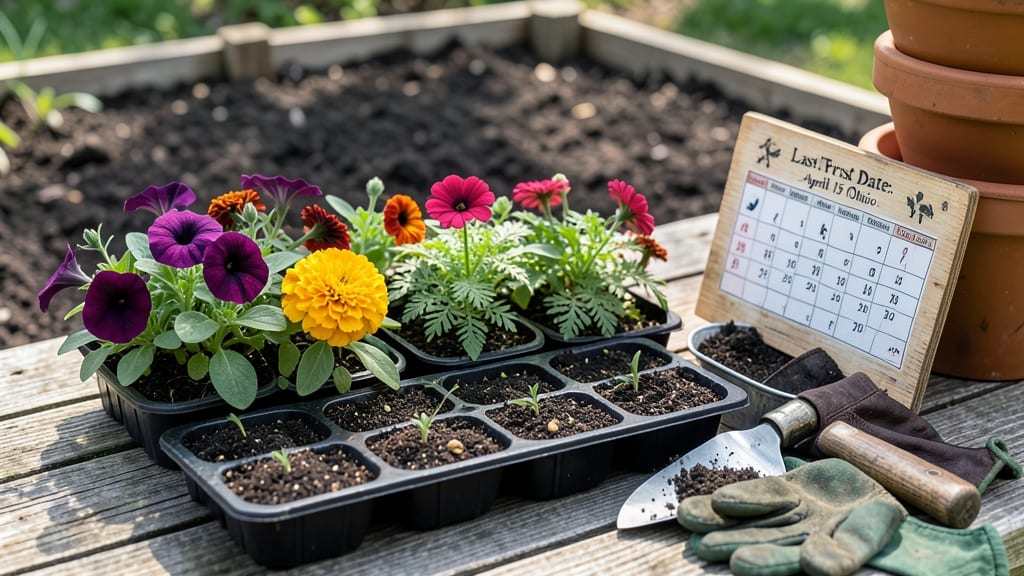
You can plant flowers in Ohio as early as mid-April in the southern zones or wait until late May in the colder north, depending on your last frost date.
Ohio’s diverse climate means flower planting seasons vary dramatically—from early springs in southern zones to late frosts in the north. Get your timing wrong, and your blooms could freeze before they flourish.
Whether you’re a backyard gardener or a container enthusiast, knowing the exact window for planting 🌸 is key to avoiding frost damage and maximizing blooms. Ohio’s USDA Zone 6a typically offers two main planting seasons: spring and fall.
In this guide, we’ll break down the best months for planting flowers in Ohio, including soil prep tips and seasonal adjustments to ensure your garden thrives year after year.
Ohio’s frost-free zones: when to plant flowers by region
Ohio spans USDA hardiness zones 5a through 6b, meaning your last frost dates can vary by 3-4 weeks from southern counties to the northern border.
In zone 5a (northeast Ohio), gardeners often wait until mid-May to plant tender flowers, while zone 6b (southwest Ohio) may see safe planting as early as late April. These differences matter—planting too soon risks frost damage, while waiting too long shortens your blooming season.
Urban gardens in cities like Columbus or Cincinnati often experience warmer microclimates due to pavement and buildings, allowing for earlier planting by 1-2 weeks compared to rural areas. Meanwhile, northern Ohio’s valleys (like the Maumee River basin) can hold frost longer, requiring delayed planting for heat-loving annuals.
Understanding these nuances helps you maximize bloom time and avoid common mistakes like overwintering tender perennials in colder zones.
Below is a zone-by-zone breakdown of when to plant annuals, perennials, and bulbs, including last frost averages, ideal planting windows, and top flower varieties suited to each region.
Whether you’re in Toledo’s zone 6a or Youngstown’s zone 5b, this guide ensures your flowers thrive year after year.
For zone 5a gardeners, where frosts linger into May, I recommend starting cool-season annuals like pansies indoors in March for early spring color. These hardy flowers tolerate light frosts and bloom as soon as soil thaws.
In zone 6b, you can push the envelope with heat-loving tropicals like hibiscus—just be prepared to bring them indoors before the first October frost.
Urban gardeners should also note that concrete heat islands can raise soil temps by 5-10°F, allowing for earlier planting of warm-season flowers.
When planting perennials, aim to get them in the ground 4-6 weeks before your average last frost date. This gives roots time to establish before summer heat arrives. For example, in zone 5b, I plant dayl
Best flowers to plant in Ohio by season: spring vs. fall planting guide
Ohio’s spring and fall planting seasons offer unique opportunities for gardeners. While spring brings vibrant annuals and perennials, fall allows you to plant bulbs and cold-hardy flowers that will bloom next year. The key is understanding your frost-free zone and following seasonal guidelines to maximize blooms.
For spring planting, wait until after the last frost date—typically mid-April to early May—when soil temperatures reach at least 60°F. In fall, aim to plant 6-8 weeks before the first frost (usually late August to early September) to give roots time to establish before winter.
This timing ensures your flowers thrive despite Ohio’s unpredictable weather.
- Late March–Early April: Start indoor seedlings for spring annuals like petunias and geraniums. Harden off plants by mid-April.
- Mid-April–Early May: Plant cold-hardy annuals like pansies and snapdragons. Transplant perennials after last frost.
- June–July: Add heat-tolerant flowers like zinnias and marigolds for summer color. Deadhead spent blooms to encourage regrowth.
- Late August–Early September: Plant fall bulbs like tulips and daffodils for spring blooms. Choose cold-resistant perennials like aster and chrysanthemum.
- October–November: Mulch perennials and shrubs to protect roots. Remove annuals after frost or cut back to ground level.
In spring, prioritize early bloomers like columbine and bleeding heart, which tolerate cooler temperatures. These shade-tolerant flowers thrive in Ohio’s woodland gardens and partial-shade areas. For summer color, opt for sun-loving annuals like black-eyed Susans and coneflowers, which handle Ohio’s humid heat with ease.
Fall planting is ideal for bulbs and perennials that need time to root before winter. Tulips and hyacinths planted in September or October will reward you with early spring blooms.
Pair them with fall-blooming perennials like Japanese anemone and sedum to extend your garden’s season. Remember, soil preparation is key—amend with compost and organic matter before planting.
To extend your Ohio garden’s season, use season extenders like row covers or cold frames for early spring plantings. In fall, choose late-blooming varieties like Russian sage and goldenrod to keep color until frost.
With the right planting strategy, your Ohio garden can burst with color from spring to fall—and even into winter with evergreen perennials like heuchera.