
Plants
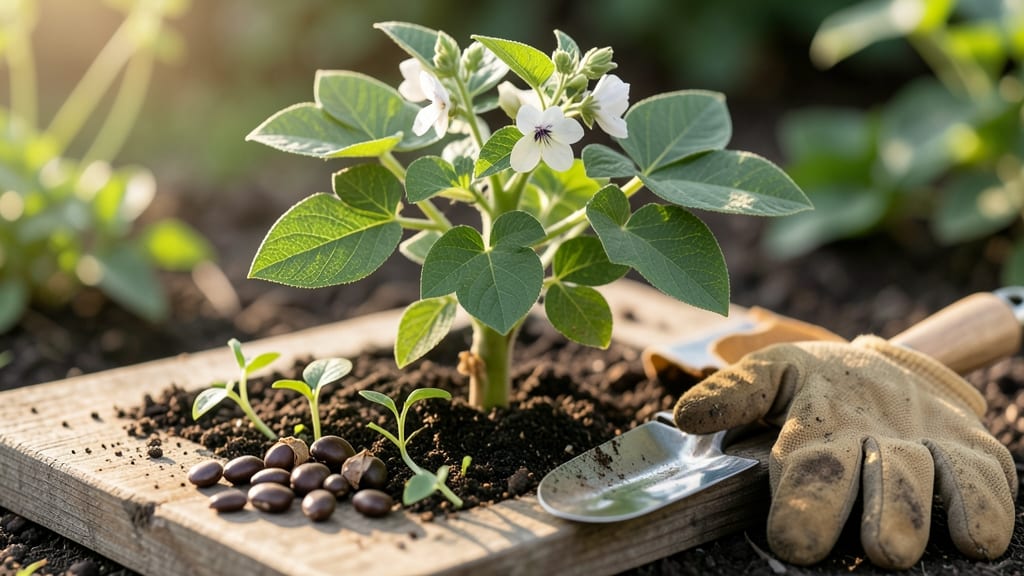
To plant beans in California, aim for soil temperatures above 60°F and at least two weeks after the last frost—timing that shifts wildly from coastal fog to desert heat.
Planting beans at the wrong time in California can mean the difference between a thriving harvest and wasted seeds—especially since frost dates vary dramatically from coastal to desert regions.
Coastal gardeners in USDA Zone 7a can start as early as March, while Central Valley growers wait until April to avoid late frosts. Meanwhile, Southern California’s desert zones push planting to May or June to dodge summer’s brutal heat.
Below, I break down the exact frost-free deadlines by region, how to adjust for bush vs. pole varieties, and five pro tips to stretch your harvest from June through October—no matter where you garden in the Golden State.
California bean planting calendar by region (frost-free deadlines)
Timing your bean planting in California is all about understanding your local frost dates and microclimates. Coastal areas like San Francisco have milder winters, while the Central Valley and desert regions experience hotter summers and earlier frost-free periods.
Getting this right ensures your bush beans and pole beans thrive without bolting or struggling in extreme heat.
Beans love warm soil—they won’t germinate well below 60°F. In most of California, this means waiting until spring after the last frost. But the exact window varies dramatically depending on whether you’re in Northern, Central, or Southern California.
Let’s break it down so you can plant with confidence.
Here’s a quick reference for frost-free deadlines by region, including the best months to sow bush beans (like Blue Lake or Kentucky Wonder) and pole beans (like Rattlesnake or Blue Lake Pole). These varieties are popular in California because they handle the state’s diverse climates well.
🌱 Key Tip: Always check your local frost dates using the UC Master Gardener website or Almanac’s Frost Calculator. These tools account for year-to-year variations that can shift planting windows by weeks.
In Northern California, where frost lingers until January, your window is tight—plant bush beans by April 30 to avoid summer heat stress. This region benefits from cool-season varieties like Blue Lake, which handle mild summers better than heat-loving types.
For the Central Valley, where hot summers arrive early, focus on early spring plantings (by May 15). If you’re growing pole beans, use trellises to keep pods off the blazing soil and provide afternoon shade during peak heat. Varieties like Rattlesnake are great for this climate.
Southern California gardeners have two distinct zones: coastal areas (like Los Angeles) and desert regions (like Palm Springs). Coastal zones can plant as early as March 1, while desert areas should wait until April 15 to avoid extreme heat.
In deserts, succession planting every 2 weeks can extend your harvest
How to adjust planting time for heat-tolerant vs. cool-season bean varieties
Not all beans thrive under California’s diverse climate. Cool-season varieties like green beans and snap peas need early planting to avoid bolting, while heat-tolerant types such as black beans and pinto beans handle summer’s intensity better.
The key is matching your variety to your microclimate—coastal fog delays planting, while desert heat requires late starts.
For example, green beans (cool-season) should go in March-April in coastal areas, but black beans (heat-tolerant) can wait until May-June in the Central Valley. Misjudging this timing risks poor germination or bitter-tasting pods from stress. Let’s break down how to adjust your schedule for each type.
🌱 Cool-Season Bean Varieties (Plant Early)
- Green beans | March-April (coastal), April-May (Central Valley)
- Snap peas | February-March (coastal), March-April (inland)
- Wax beans | April-May (avoid summer heat)
🌞 Heat-Tolerant Bean Varieties (Plant Late)
- Black beans | May-June (Central Valley), June-July (deserts)
- Pinto beans | May-June (wait for 80°F+ soil)
- Lima beans | June-July (tolerates 90°F+)
Heat-tolerant beans like black beans and pinto beans thrive when planted after May 15 in most of California, as they need warmer soil temperatures (80°F+) to germinate. These varieties also handle drought better once established, making them ideal for Central Valley and desert regions where summer heat peaks.
For cool-season beans, the goal is to harvest before summer’s heat triggers bolting. Plant green beans in March-April and expect harvests by June. If you miss this window, opt for shade cloth to protect plants from overheating.
In Southern California, even cool-season beans may need a late April start to avoid early summer’s intensity.
Pro tip: Use a soil thermometer to confirm 60°F+ for cool-season beans or 80°F+ for heat-tolerant types. This simple tool prevents wasted seeds and ensures strong germination.
For example, black beans planted in 65°F soil may take 2 weeks to sprout, while green beans germinate in 5-7 days at 70°F.
Adjust your planting schedule further by monitoring local weather forecasts for heatwaves or unexpected frosts. In coastal areas, fog can delay planting, while inland valleys may experience sudden temperature spikes.
Always keep succession planting in mind—sow a second crop of cool-season beans in late July for a fall harvest before frost.