
Plants
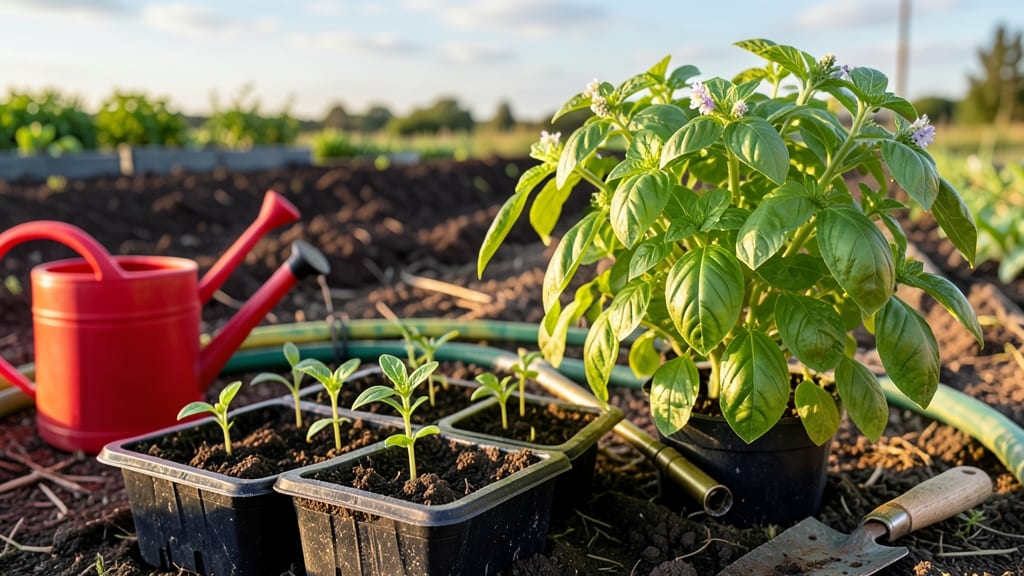
To plant basil in Colorado, aim for after last frost—typically mid-April to early June—when soil temperatures hit 50°F or warmer.
Colorado’s unpredictable weather can make or break your basil harvest—plant too early, and frost will kill your seedlings; too late, and heat stress stunts growth. Mastering the perfect timing ensures lush, flavorful basil all season long.
For Colorado gardeners, the key is knowing your USDA zone (5-7) and elevation. Lowland Denver and Front Range cities like Fort Collins have earlier frost-free dates than high-altitude areas like Aspen or Leadville, where basil thrives best in containers or greenhouses.
Below, I’ll break down exact planting windows by region, share tricks for extending your harvest, and help you avoid common mistakes that turn 🌿 dreams into wilted disappointment.
Colorado basil planting zones and exact dates by elevation
Colorado's diverse elevations create microclimates that drastically affect when you can safely plant basil. Lowland areas like Denver (USDA Zone 5) have longer growing seasons, while high-altitude towns like Leadville (Zone 4) face shorter windows.
Understanding these differences ensures your basil thrives from seedling to harvest. The key is waiting for soil temperatures above 50°F and avoiding late spring frosts.
For most Colorado gardeners, the optimal planting window falls between mid-April and early June, but exact dates vary by elevation. Mountain towns like Fort Collins (Zone 5) and Boulder (Zone 6) typically plant 2-3 weeks later than Denver due to cooler nights.
High-altitude areas like Aspen (Zone 4-5) may need to wait until late May or even early June for safe planting.
Here’s a quick reference for last frost dates by region:
- Denver (Zone 5): Average last frost April 15
- Fort Collins/Boulder (Zone 5-6): Average last frost May 1
- Aspen (Zone 4-5): Average last frost May 15
- Leadville (Zone 4): Average last frost June 1
| Region | USDA Zone | Last Frost Date | Safe Planting Window | Soil Temp Threshold | Harvest Window |
|---|---|---|---|---|---|
| Denver | 5 | April 15 | April 30 - May 15 | 50°F+ | June 15 - Oct 1 |
| Fort Collins | 5 | May 1 | May 15 - June 1 | 50°F+ | June 20 - Sep 15 |
| Boulder | 6 | April 20 | May 1 - May 15 | 50°F+ | June 10 - Oct 10 |
| Aspen | 4-5 | May 15 | June 1 - June 15 | 55°F+ | July 1 - Sep 1 |
| Leadville | 4 | June 1 | June 15 - July 1 | 60°F+ | July 15 - Aug 31 |
If you’re starting basil indoors, begin seeds 4-6 weeks before your region’s last frost date. For Denver gardeners, this means sowing seeds in early March, while high-altitude growers should wait until late April. Use a heat mat to maintain soil temps between 70-80°F for faster germination.
For container gardening, place pots in a sheltered spot after the
How to extend your basil season in Colorado’s short growing window
Colorado’s short growing season can feel like a race against time for basil lovers. With the right strategies, you can stretch your harvest from late spring to early fall, even in our high-altitude climate.
The secret? Combining early starts, protective covers, and smart succession planting to beat both late frosts and early heat waves.
I’ve grown basil successfully in Denver’s Zone 5b and Aspen’s Zone 4a using these techniques—here’s exactly how to make it work for you. Whether you’re a container gardener or have in-ground beds, these methods will give you fresh basil when grocery store options are wilted and flavorless.
🌱 5 Key Strategies to Extend Your Colorado Basil Season
- Start indoors 6-8 weeks before last frost (early March) using grow lights or a sunny windowsill. Transplant hardened-off seedlings after May 15 in most regions.
- Use floating row covers or cloches to protect seedlings from late spring frosts (common until June 1 in mountain areas).
- Choose cold-hardy varieties like 'Spicy Globe' (tolerates 32°F for short periods) or 'Thai Basil' (heat-tolerant for late-season planting).
- Implement succession planting every 2-3 weeks from May through July to ensure continuous harvests. Sow seeds directly in well-draining containers for flexibility.
- Extend the season into fall by planting heat-tolerant varieties like 'Genovese' in August and using black plastic mulch to warm soil and protect roots.
For high-altitude gardens (elevations above 6,000 feet), focus on container growing—they warm up faster and can be moved to protected spots during unexpected cold snaps.
I’ve had success with 5-gallon grow bags filled with 50% compost and 50% coco coir, which retain moisture better than native Colorado soil.
Don’t overlook microclimates—south-facing walls or greenhouses can push your season by 3-4 weeks in either direction. For example, my Boulder garden (Zone 5a) gets 2 weeks earlier starts near a sunny brick wall than my exposed in-ground beds. Test small batches in different spots to find your sweet spot.
When late summer heat arrives (after August 15), shift to shade cloth (30-50% coverage) to prevent bolting and leaf scorch. Water deeply in the early morning to avoid fungal issues—Colorado’s dry air loves to turn stressed basil into a fungal buffet.
A mulch ring of straw keeps roots cool and moist.
With these extensions, you’ll enjoy fresh basil from late May to early October—plenty of time for pesto, caprese salads, and homemade tomato sauce. The key is planning ahead and adapting as Colorado’s weather throws curveballs. Your taste buds (and dinner guests) will thank you! 🌿