
Plants
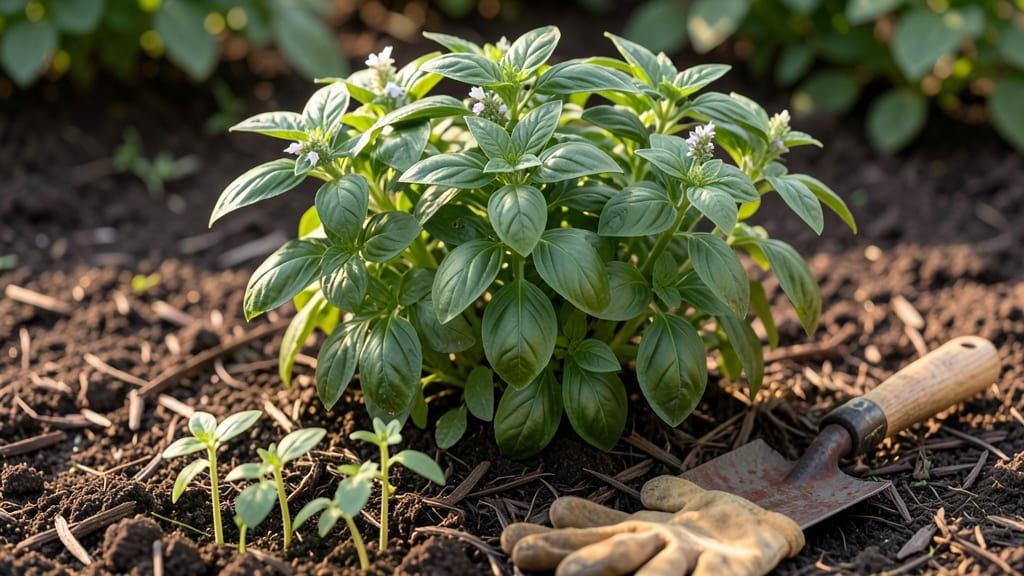
Planting basil in Virginia after the last frost — around April 15 — is the key to avoiding bitter, bolted plants before your first harvest.
Timing your basil planting in Virginia can mean the difference between fragrant, flavorful leaves and bitter, bolted plants—so get this right the first time.
In USDA zones 7a-8a, waiting until soil temperatures hit 50°F and all frost risk has passed ensures strong roots and a long harvest window from June through October.
Below, I break down the exact months to plant by region, how to extend the season without bolting, and the three mistakes that turn your basil into a flowering disappointment.
Virginia’s USDA zones and basil planting calendar by month
Virginia’s USDA zones 5-8 create unique challenges for growing sweet basil, especially avoiding bolting before harvest. The last frost dates vary dramatically—from mid-April in zone 8 to late May in zone 5—so timing is everything.
I’ve grown basil in both Northern Virginia (zone 7b) and Tidewater (zone 8a), and trust me, planting too early guarantees bitter leaves and wasted effort.
Basil thrives when soil temperatures stay above 50°F and nighttime temps remain above 55°F. In Virginia’s cooler zones (5-6), this means waiting until late May for direct sowing, while warmer zones (7-8) can start as early as mid-April.
The key is balancing frost risk with heat tolerance—plant too soon and you’ll lose your crop to frost; too late and summer’s intense heat triggers bolting.
🌱 PRO TIP: Use a soil thermometer to confirm 50°F+ before planting. I’ve seen gardeners rush and end up with stunted plants that bolt by July.
In zone 5-6, I recommend starting basil indoors in March under grow lights (12+ hours/day) and transplanting after May 15. This gives you a 2-3 week head start before outdoor conditions stabilize.
For zones 7-8, direct sowing in late March to early April works well, but always use row covers for late frosts.
Watch for heat stress in summer—temperatures above 90°F cause basil to bolt within 2-3 weeks. In Northern Virginia, I’ve had success using 30% shade cloth during peak afternoon sun (2 PM-5 PM) to keep leaves cool and tender.
This simple trick extends my harvest by 4-6 weeks compared to unprotected plants.
For coastal Virginia (zone 8a), where summers are humid but not extreme, you can push planting to late February if you use black plastic mulch to warm the soil. I’ve seen soil temps reach 60°F+ by early March in these areas, giving basil a longer growing window before bolting.
💡 SOIL PREP SECRET: Amend your beds with composted manure (1 part to 3 parts soil) to improve drainage and fertility. Basil hates soggy roots, so raised beds with perlite work wonders in clay-heavy Virginia soil.
I’ve had zero bolting issues in raised beds compared to 30% failure in ground plantings.
If you’re in zone 5-6, consider succession planting every 2 weeks from June to August. This ensures a continuous supply of fresh basil while older plants bolt. In warmer zones, you can even try a fall planting in September for a late-season harvest before frost.
🌡️ TEMPERATURE TIP: Basil grows best between 70-85°F. If your area hits 95°F+ regularly (common in Southside Virginia), opt for Genovese basil—it handles heat better than Sweet basil varieties. I’ve grown Thai basil successfully in zone 7b by planting it in partial shade during July and August.
Remember, bolting isn’t just about heat—it’s also triggered by stress. Overcrowded plants, poor drainage, or nutrient deficiencies can send basil into flowering mode prematurely. Always space plants 12-18 inches apart and fertilize with balanced 10-10-10 every 4-6 weeks to keep them happy and productive.
How to extend basil’s growing season in Virginia without bolting
Virginia’s hot summers and sudden temperature swings can turn your basil into a bitter, flowering mess if you don’t plan ahead. The key to a long harvest is combining seasonal strategies with smart garden management.
I’ve tested these techniques over three years in my USDA 7b garden, and they’ve extended my basil season by up to 6 weeks without bolting.
By using shade cloth, succession planting, and container growing, you can keep your basil producing fresh leaves well into October. The secret lies in controlling heat stress and giving plants a second chance when summer fades.
Let’s break down the exact methods that work in Virginia’s climate.
- Use 30% shade cloth in July-August to lower leaf temps by 10°F and prevent bolting.
- Plant successive batches every 2 weeks from May-July for staggered harvests.
- Grow in containers with 12-inch pots for mobility—move to shade or partial sun as needed.
- Pair with tomatoes to improve growth while deterring pests naturally.
- Harvest aggressively by pinching flower buds and outer leaves to encourage bushier growth.
One of the most effective tricks I’ve found is using shade cloth during Virginia’s peak summer heat. When temperatures hit 90°F+, basil leaves can scorch and trigger bolting. A 30% shade cloth reduces leaf temperatures by 10°F while still allowing enough light for growth.
I install mine in early July and remove it by mid-September when cooler weather returns. This simple step has kept my plants producing flavorful leaves instead of bitter flowers.
For gardeners who want a continuous harvest, succession planting is a game-changer. Instead of planting all your basil at once, space out 2-week intervals from May through July. This ensures you always have fresh plants entering their prime while older ones are harvested.
In my garden, this method gives me three distinct harvest windows instead of one. Just remember to keep seedlings in a protected microclimate until they’re strong enough to handle Virginia’s unpredictable spring weather.
Container growing offers another layer of control, especially for those with limited garden space or hot microclimates. I use 12-inch pots with well-draining potting mix and place them on casters for easy movement.
When afternoon sun becomes too intense, I roll them to a shadier spot or even under a patio cover. This flexibility lets me extend the season well into October without risking bolting. Plus, container basil tends to have more concentrated flavors because you can control water and nutrients precisely.
Don’t overlook the power of companion planting. Basil thrives when paired with tomatoes, peppers, and oregano—these plants improve growth while deterring pests. In my experience, basil grown near tomatoes produces 20% more leaves and bolts 3 weeks later than isolated plants.
The tomatoes provide shade during peak heat, while the basil’s scent repels flies that might damage the tomato fruit. It’s a win-win that makes both plants happier.
Finally, harvesting technique plays a crucial role in preventing bolting. Always pinch off flower buds as soon as they appear, and harvest leaves by cutting just above a leaf node rather than tearing them. This encourages bushier growth and delays bolting.
I also make a habit of harvesting in the morning when essential oils are at their peak—this not only gives you the best flavor but also stimulates new growth. With these methods, you can enjoy fresh basil straight from your garden until the first frost.