
Plants
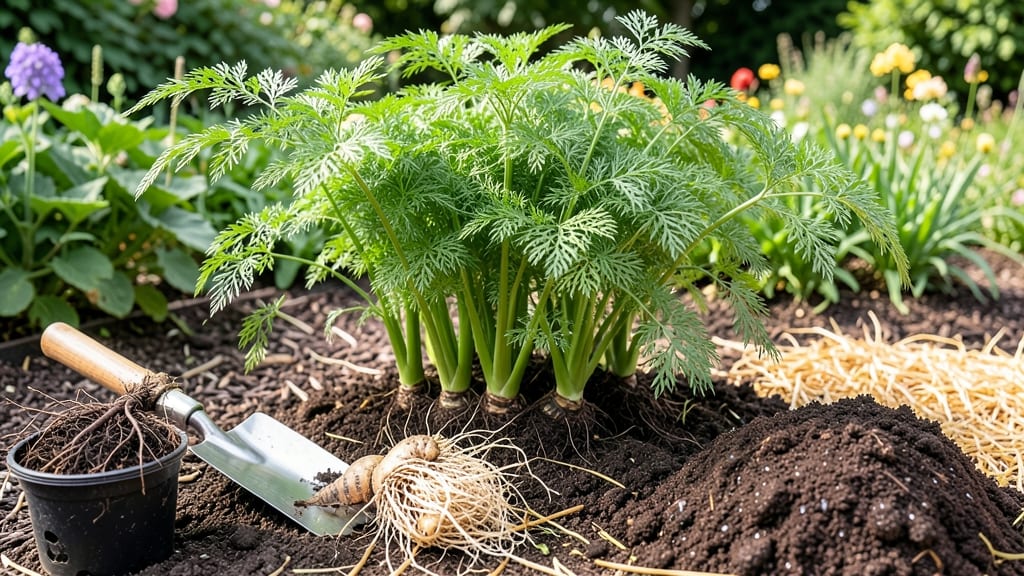
Planting asparagus in Zone 8 at the right time means the difference between a decades-long harvest and years of disappointment.
Picture this: you’ve just planted your crowns, only to watch them rot in the cold or struggle through a scorching summer. The key isn’t just picking a month—it’s reading the soil, knowing when frost is truly out of the picture, and choosing between fall or spring for the best start.
Zone 8’s mild winters and warm springs give you two chances to get it right. Plant too early, and your asparagus crowns will sit in cold, soggy soil. Plant too late, and you risk stunted growth before the heat sets in.
I’ll walk you through the perfect timing for both seasons, plus how to prep your soil and protect your investment from Zone 8’s quirks.
By the end, you’ll know exactly when to dig in—whether you’re a first-timer or a seasoned gardener looking to refine your method.
Best planting months for asparagus crowns in Zone 8
Zone 8 gardeners have two ideal windows to plant asparagus crowns: early fall or late winter. These timings align with soil temperature and frost risk to give your plants the best start.
Fall planting lets crowns establish roots before winter dormancy, while spring planting ensures active growth as temperatures rise. Both methods work, but each has unique advantages depending on your micro-climate.
Northern Zone 8 (e.g., San Francisco or Denver) benefits most from fall planting in September-October. Southern Zone 8 (e.g., San Diego or Tucson) can extend planting into November due to milder winters. For spring planting, aim for March-April once soil temperatures consistently stay above 40°F.
Here’s the key difference: Fall planting gives crowns 6-8 weeks to root before winter, while spring planting risks slow early growth if soil stays cold. Both methods require well-draining soil and full sun—but timing affects yield potential in years 3-4.
Comparison Table:
For Northern Zone 8 gardeners, September-October planting is critical. By this time, soil temperatures drop to 40–50°F, ideal for root development before winter dormancy. Use mulch (4–6 inches) to insulate crowns from freeze-thaw cycles that can damage emerging roots.
Skip spring planting here—cold, wet soil slows growth and invites rot.
In Southern Zone 8, you can plant as late as November because mild winters reduce frost risk. Soil stays warm longer, accelerating root establishment. However, avoid planting after December—spears may emerge too early, getting damaged by unexpected cold snaps. Test soil temperature with a soil thermometer before planting.
Both methods require well-prepped beds: amend soil with compost and sand (for drainage), then plant crowns 6–8 inches deep. Water deeply after planting to encourage root spread. In Zone 8, first harvests appear in year 3, but proper timing now ensures a decades-long yield.
Pro tip: If you miss fall planting, late winter (February) is a backup. Just ensure soil isn’t soggy—asparagus crowns rot in waterlogged conditions. Use raised beds if your soil drains poorly. For maximum success, align planting with moon phases (root crops thrive in waxing moon periods).
Remember: Zone 8’s micro-climates vary wildly. Check your local last frost date (typically mid-January) and adjust planting by 4–6 weeks before. With the right timing, your asparagus patch will reward you with tender spears for 15+ years.
🌱
How soil temperature affects asparagus root growth in Zone 8
Asparagus crowns need consistent soil temperatures between 40-50°F to establish strong roots before sending up spears. In Zone 8, where winters are mild but springs can be unpredictable, this window is everything. If the soil is too cold, your crowns will rot.
Too warm, and they’ll bolt or struggle to root properly. The ideal planting window aligns with when soil naturally hits this sweet spot—either in early spring or late fall.
Think of asparagus roots like a thermometer—they’re sensitive to temperature shifts. When soil drops below 40°F, root growth stalls completely. Above 50°F, the crowns may sprout too quickly, leading to weak stems and poor establishment.
This is why timing matters more than just picking a month—it’s about the soil’s internal clock, not the calendar.
- 40-50°F is the critical range for root growth. Below 40°F, roots stop developing; above 50°F, crowns may sprout prematurely.
- Use a soil thermometer (insert 4" deep) to confirm temps. Morning readings are most accurate.
- In Zone 8, soil typically hits 40°F in late February to early March (spring) or mid-October to November (fall).
- If planting in fall, aim for 4-6 weeks before first frost. Crowns need time to root before winter dormancy.
- Spring planting should wait until soil is consistently above 50°F for 3+ days—usually March to early April.
- Slow establishment? Check for compacted soil or poor drainage, which can delay root growth even at ideal temps.
Planting asparagus in cold soil (below 40°F) is like giving it a root-freeze. The crowns may survive, but they won’t establish properly, leading to stunted growth or even death. I’ve seen gardeners rush to plant in late winter only to watch their asparagus struggle through the season.
The roots need time to expand and anchor before the plant focuses on spears.
On the flip side, planting in warm soil (above 50°F) can trigger early sprouting. This might seem like a good thing, but weak, spindly spears result from roots that haven’t had time to build a strong foundation.
In Zone 8’s spring, this often means waiting until late March or April—even if the air feels warm. Always test the soil, not the air temperature.
If your asparagus crowns are slow to establish, don’t panic. First, check soil moisture—consistent dampness (not soggy) is key. Next, ensure the planting depth is correct: crowns should sit 2 inches below soil level, with roots spread out.
In Zone 8, mulching with straw can help regulate soil temperature and retain moisture, giving roots the stable environment they crave.
Remember, asparagus is a patient plant. It takes 2-3 years to establish a full harvest, but getting the soil temperature right from day one sets the stage for decades of success. With the right timing, your asparagus will reward you with thick, healthy spears year after year—no guesswork required.